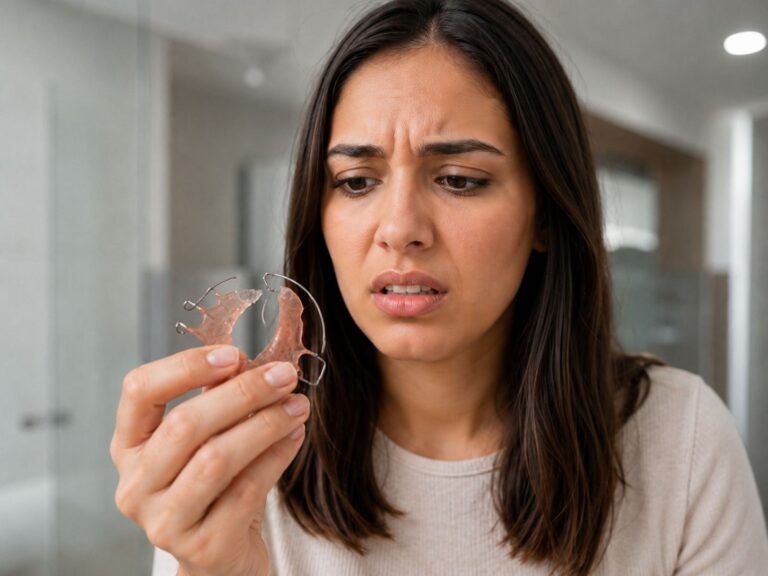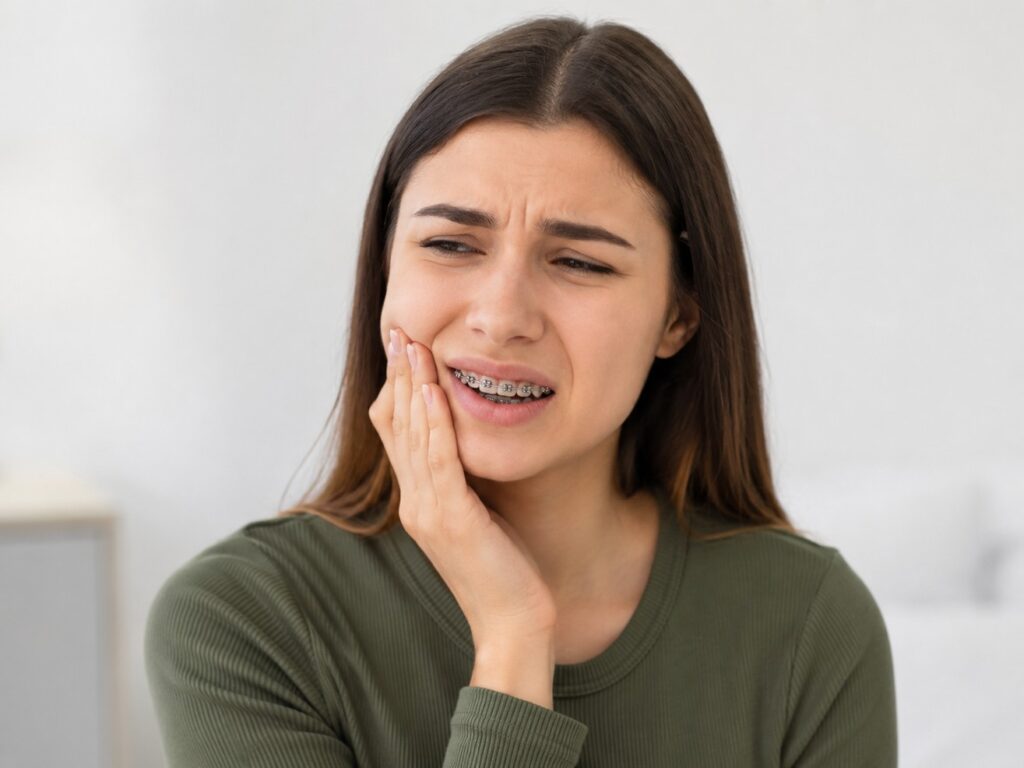
A loose bracket or sharp braces wire can be uncomfortable and alarming, especially when it happens outside normal appointment hours. The good news is that most broken-brace problems are not true dental emergencies. They do, however, need attention so the appliance stays comfortable and your orthodontic treatment remains on track.
The right response depends on what has broken, how much discomfort it is causing, and whether there has also been an injury to your teeth or mouth.
Is a Broken Brace an Emergency?
Usually, no. Contact your orthodontic provider when a bracket comes loose or a wire breaks, even when the problem seems minor.
That does not mean you should ignore it. A damaged brace may rub against your cheek or gum, interfere with elastics, or stop working as intended.
If the problem happens after hours, your regular orthodontic provider may not be available straight away. Even when the issue is not a true emergency, you may still want prompt help if a sharp wire, loose appliance or significant discomfort is difficult to manage at home. In that situation, an after-hours or emergency dentist may be able to assess the problem, relieve discomfort and advise on the next step until you can see your usual orthodontic provider.
If you have suffered dental trauma or developed significant pain or facial swelling, it may be appropriate to seek urgent dental care rather than waiting for your next routine orthodontic appointment.
What to Do If a Bracket Comes Loose
Brackets are the small attachments fixed to the surface of your teeth. They hold the orthodontic wire in position. A bracket can become loose if you bite into hard or sticky food, if the appliance is knocked, or occasionally because the bond between the bracket and tooth fails.
If the bracket is still attached to the wire, try not to pull or twist it off. If it is moving around and irritating your mouth, orthodontic wax can be placed over the area to make it more comfortable. Contact your orthodontic provider and explain what has happened. A photo can be useful because it allows the clinical team to see where the bracket has broken and advise how soon it needs to be repaired.
If the loose bracket is one that you attach elastics to, check with your provider before continuing to wear those elastics.
What to Do If a Braces Wire Is Poking Your Cheek
Sometimes the end of an orthodontic wire shifts and begins rubbing or poking the inside of the cheek.
If the wire can be moved easily, guidance from orthodontic organisations suggests gently pushing it towards the tooth using a clean cotton bud, clean tweezers or the eraser end of a pencil. Orthodontic wax can then be placed over the sharp area to reduce irritation.
Do not repeatedly bend or pull at the appliance. If you cannot make the wire comfortable, contact your orthodontic provider for advice.
Some orthodontic guidance describes carefully trimming a protruding wire as a temporary last resort when professional help is not accessible. Because wires vary in size, position and function, it is safer to get advice from your orthodontic provider before attempting this wherever possible.
What If the Wire Has Broken Completely?
A broken archwire should be reported to your orthodontic provider promptly. If a loose section is still attached to the brace, avoid pulling at it. Orthodontic wax may make a sharp end more comfortable temporarily.
If a piece has detached completely, remove it from your mouth if you can do so easily and safely. Do not reach towards the back of the throat or attempt to retrieve anything you cannot readily see.
If you think part of the appliance has been inhaled and you develop coughing, choking or difficulty breathing, seek emergency medical care immediately.
What If the Brace Has Cut Your Cheek or Gum?
Brackets and wires can irritate the soft tissues of the mouth, particularly when something has shifted out of position. Orthodontic wax can provide a temporary barrier between the appliance and the irritated area while you arrange advice.
Minor mouth irritation is generally not an emergency. However, seek professional assessment if the area is becoming increasingly painful, appears significantly swollen, continues to bleed, or you are concerned about an injury to the gum, cheek or tooth.
What If Your Braces Were Damaged in an Accident?
A broken brace following a knock to the mouth needs a different approach from a bracket that simply comes loose while eating.
First check your teeth and mouth, not just the appliance. A fall, sporting collision or other impact can chip, loosen or displace a tooth even when the braces themselves appear to be the most obvious damage. Cuts to the lips and gums can also occur.
Healthify New Zealand recommends seeing a dentist as soon as possible when a tooth has been displaced or damaged. Prompt treatment can be particularly important for some traumatic dental injuries.
If the injury has caused a broken, chipped or knocked-out tooth, significant bleeding or severe pain, arrange urgent dental assessment. Dental injuries caused by accidents may also qualify for ACC assistance with treatment costs in New Zealand.
When Should You Seek Urgent Dental Care?
A broken bracket on its own can usually be managed by contacting your orthodontic provider. The symptoms around the breakage are what may make the situation urgent.
Seek prompt dental or medical assessment if you have:
- severe or worsening tooth pain
- facial swelling or swelling associated with a suspected dental infection
- significant trauma to a tooth, jaw, gum or other part of the mouth
- a tooth that has been knocked out or moved from its usual position
- bleeding that is significant or difficult to control
- concern that part of the appliance has been inhaled
Difficulty breathing, choking or another serious medical emergency requires immediate medical attention.
Can You Wait Until Your Next Orthodontic Appointment?
Sometimes, but do not make that decision without telling your provider. Minor brace breakages are common and generally do not require emergency treatment. They should still be attended to because leaving the appliance damaged could interfere with treatment progress.
Your provider may tell you that the repair can safely wait until your next scheduled visit, or they may arrange an earlier appointment depending on which part of the appliance has broken.
Keep a Small Braces Repair Kit Handy
A few simple supplies can make a minor orthodontic problem much easier to manage until you can speak with your provider. Useful items include orthodontic wax, clean cotton buds, clean tweezers and your orthodontic clinic’s contact details.
If you are travelling, it is particularly useful to have these with you rather than trying to find supplies after something breaks.
If any breakage happened alongside significant tooth pain, facial swelling or dental trauma, seek urgent dental assessment instead.
How to Reduce the Chance of Breaking Your Braces
If you play contact sport, ask your dental or orthodontic provider about an appropriate mouthguard. Protecting your teeth matters just as much as protecting the appliance itself.
Hard, crunchy and sticky foods can place unnecessary force on brackets and wires. Orthodontics New Zealand specifically advises avoiding foods such as nuts, hard lollies, popcorn, chewing gum and sticky confectionery while wearing braces.
It also helps to avoid chewing pens, fingernails or other hard objects.
You cannot prevent every breakage, but looking after your appliance lowers the risk.