Female hair loss can feel isolating, and it is far more common than many people assume. While hair thinning is often discussed as a male issue, women also experience changes in hair density, texture, growth, and shedding throughout different stages of their life.
For some, the change is gradual and subtle, such as a widening part line or less volume around the crown. For others, hair loss appears suddenly, with more hair coming out in the shower, on a brush, or on to their pillow.
Understanding where female hair loss starts, with recognising that not all shedding means permanent hair loss. Hair naturally moves through growth, transition, resting, and shedding phases. It is normal to lose some hair every day.
However, when shedding becomes excessive, hair density visibly reduces, or bald patches appear, it may indicate an underlying trigger that needs attention.
Female hair loss can also affect confidence, self-image, and emotional well-being. Hair is often closely tied to identity, style, culture, and personal expression, so changes can feel deeply personal. The good news is that many types of female hair loss can be managed, improved, or disguised once the cause is understood.
Common Causes of Female Hair Loss
There is no single reason why female hair loss happens. In many cases, it is linked to a combination of genetics, hormones, health changes, stress, diet, hair care habits, and ageing. Identifying the likely cause is important because the most effective response depends on whether the hair loss is temporary, progressive, inflammatory, or related to breakage.
Hormonal Changes and Female Hair Thinning
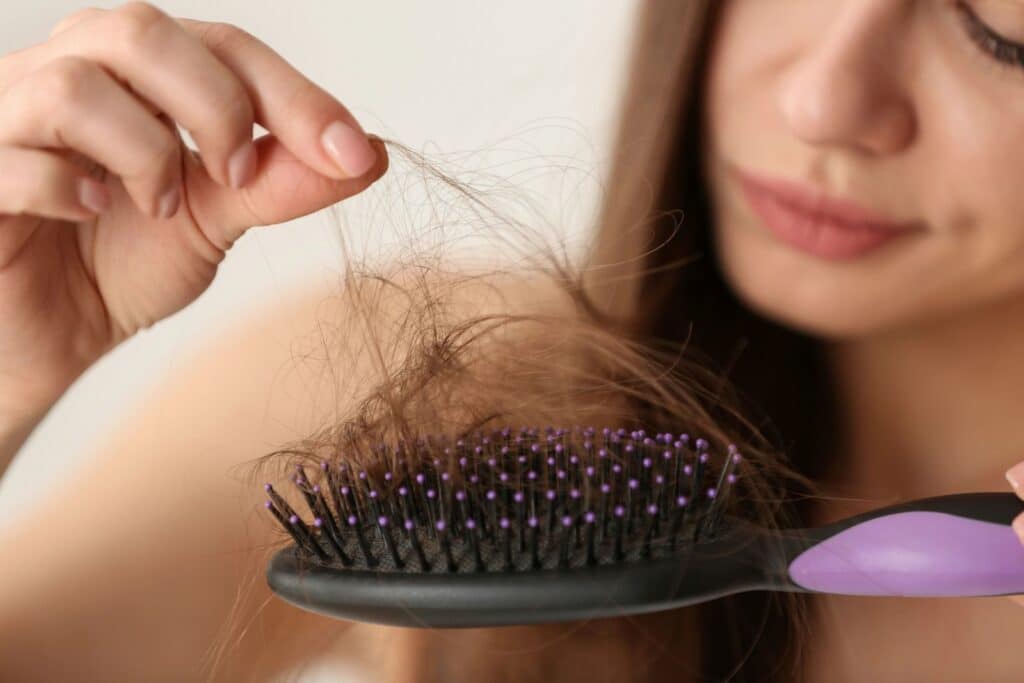
Hormonal changes are among the most common contributors to hair thinning in women. Pregnancy, childbirth, menopause, stopping or starting hormonal contraception, and conditions that affect hormone balance can all influence the hair growth cycle.
After childbirth, for example, many women may notice heavy shedding for several months. This can be alarming, but it is often temporary as the body readjusts.
Menopause can also contribute to hair thinning in women. As oestrogen levels change, hair may become finer, drier, and less dense. Some women will notice a more visible scalp around the part line or crown. Hormonal changes do not affect everyone in the same way, but they are a major reason why hair patterns can shift over time.
Genetics and Female Pattern Hair Loss
Female pattern hair loss is a common genetic form of thinning. It usually develops gradually and tends to affect the top of the scalp rather than causing complete baldness. Women may notice that their ponytail feels thinner, their part looks wider, or their hair no longer holds the same volume.
This type of hair loss is usually progressive, which means it may continue over time if left untreated. However, early action can help slow the process and support healthier hair density. Because female pattern hair loss can resemble other types of thinning, it is worth getting a professional assessment before assuming genetics is the only cause.
Stress, Illness, and Temporary Hair Shedding
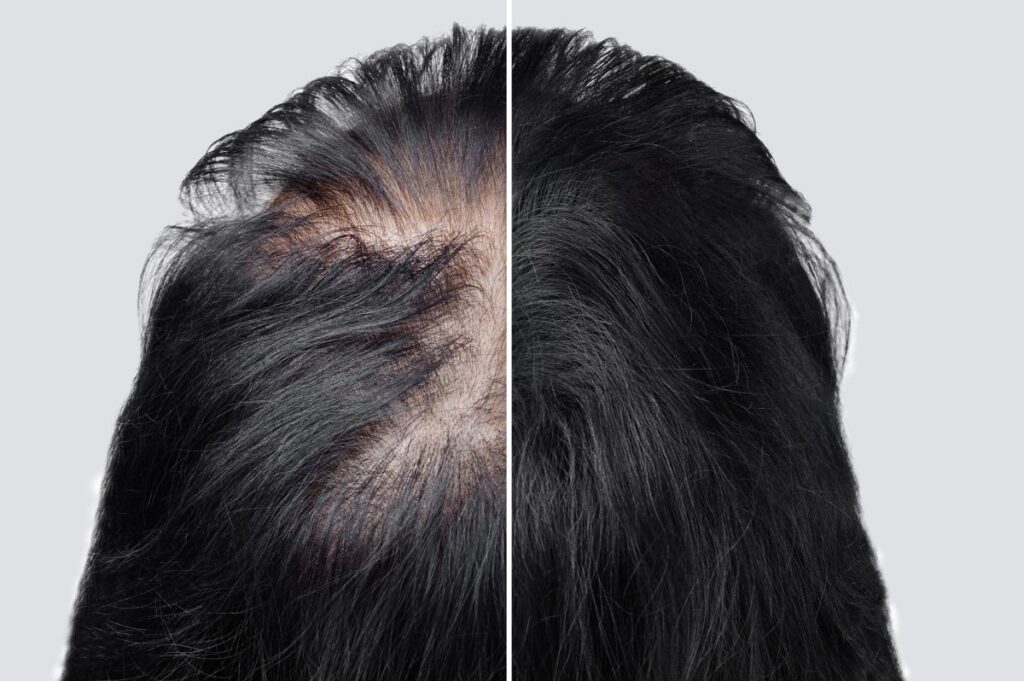
Significant stress, illness, surgery, rapid weight loss, or a major life event can trigger a type of shedding known as telogen effluvium. This happens when a higher number of hairs enter the resting phase and later shed at the same time. The shedding often appears a few months after the trigger, which can make it difficult to connect the cause.
Unlike genetic hair loss, stress-related shedding is often temporary. Once the body recovers and the trigger is addressed, hair growth may gradually return. However, regrowth can take time because hair grows slowly. It is also possible that temporary shedding reveals an underlying pattern of female hair loss that was already developing.
Female Pattern Hair Loss: What It Looks Like
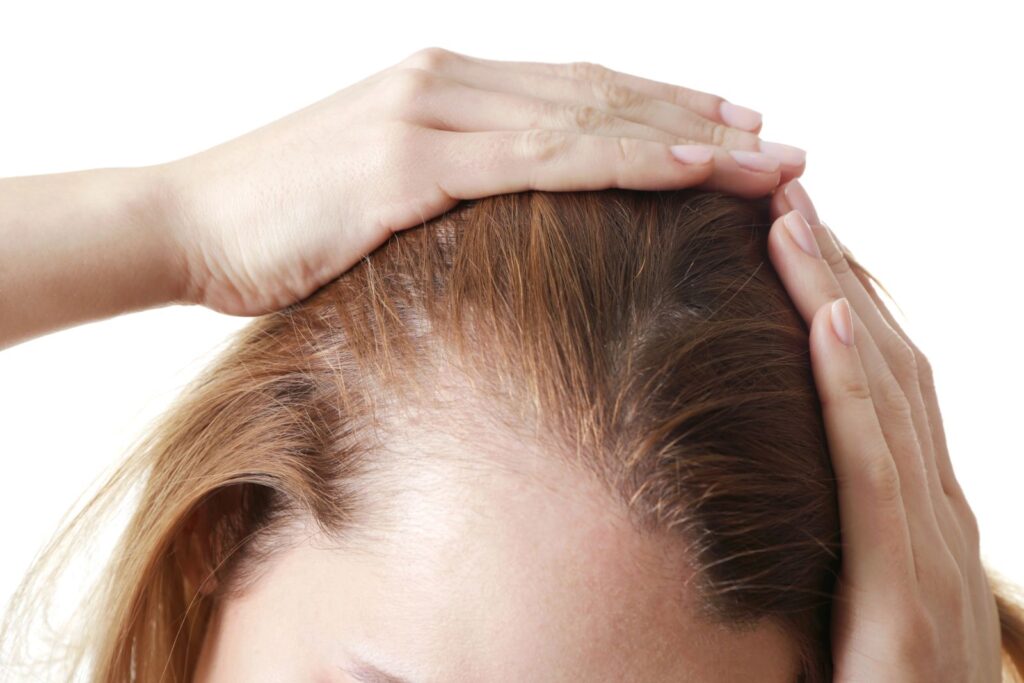
Female pattern hair loss often looks different from male pattern baldness. Rather than a receding hairline or bald spot, women typically experience diffuse thinning across the top of the scalp. The front hairline may remain mostly intact, while the part line becomes more noticeable.
Why Hair Thinning Often Starts Around the Part Line
The part line is one of the first places where female hair thinning becomes visible because it exposes the scalp directly. When hair strands become finer and density decreases, the contrast between hair and scalp becomes more obvious. This can be especially noticeable under bright lighting, in photos, or when hair is wet.
The crown is another common area where thinning may appear. Women may find that hairstyles sit flatter, volume products are less effective, or more scalp shows when hair is pulled back. These early signs are worth monitoring because earlier treatment usually gives better results than waiting until thinning is advanced.
How Female Pattern Hair Loss Differs From Breakage
Hair loss and hair breakage are not the same thing, although they can occur together. True hair loss means hair is shedding from the root or follicles are producing thinner strands. Breakage means the hair shaft is snapping due to damage, dryness, chemicals, heat styling, or tight hairstyles.
Breakage often creates uneven lengths, frizz, split ends, and shorter pieces around the hairline. Female pattern hair loss usually creates reduced density and finer regrowth. Understanding this difference matters because damaged hair may improve with gentler care, while follicle-related hair loss may require medical or specialist treatment.
Sudden Hair Loss in Women: Possible Triggers
Sudden hair loss can feel frightening, especially when large amounts of hair appear to shed at once. In many cases, sudden shedding is linked to a temporary disruption in the hair cycle, but it should still be taken seriously if it is severe, prolonged, or accompanied by other symptoms.
Postpartum Hair Loss and Hormonal Recovery
Postpartum hair loss is a well-known example of temporary shedding. During pregnancy, hormonal changes can keep more hair in the growth phase, making hair feel thicker. After birth, those hairs may shift into the shedding phase. This often leads to noticeable hair fall several months postpartum.
Although postpartum shedding usually improves over time, it can still be emotionally difficult. Gentle handling, balanced nutrition, and patience are important. If shedding continues for a long period or is accompanied by fatigue, heavy bleeding, low mood, or other health concerns, it is wise to seek medical advice.
Hair Loss After Illness, Surgery, or Major Stress
The body may temporarily prioritise recovery over hair growth after illness, surgery, high fever, emotional stress, or nutritional disruption. This does not mean the follicles are permanently damaged. Instead, the hair cycle has been interrupted, and shedding may occur later.
Because the delay between the trigger and shedding can be several months, people often worry that hair loss has no clear cause. Looking back at recent health events, stress levels, medications, or diet changes can help identify patterns. A healthcare professional can also check for deficiencies or conditions that may be contributing.
What You Can Do About Female Hair Loss
The first step in managing female hair loss is understanding what type of hair loss is occurring. Guessing can lead to wasted money, frustration, and delayed treatment. Some cases benefit from medical treatment, while others improve with lifestyle changes, nutritional support, or reduced hair damage.
When to Speak With a Doctor or Hair Specialist
It is a good idea to seek professional advice if hair loss is sudden, severe, patchy, painful, itchy, or associated with scalp redness, scaling, or tenderness. Medical advice is also important if hair thinning is ongoing, if there are signs of hormonal imbalance, or if there are symptoms such as fatigue, weight changes, heavy periods, or changes in mood.
A doctor may recommend blood tests to check iron levels, thyroid function, vitamin status, hormone markers, or other health indicators. A dermatologist or trichologist may examine the scalp, review hair shedding patterns, and help distinguish between female pattern hair loss, telogen effluvium, alopecia areata, scalp conditions, and breakage.
Why Identifying the Cause Matters
Treatments for female hair loss work best when matched to the cause. For example, a nutritional deficiency should be corrected carefully, while female pattern hair loss may need ongoing treatment to maintain results. If hair loss is caused by tight hairstyles, changing styling habits may be more effective than taking supplements.
Some causes of hair loss are temporary and improve naturally once the trigger resolves. Others require long-term management. Getting the right diagnosis helps set realistic expectations and reduces the risk of trying multiple products without progress.
Treatment Options for Female Hair Loss
Treatment options vary depending on the type and severity of hair loss. Not every treatment is suitable for every person, and results often take several months because hair growth is gradual.
Topical and Prescription Treatments
Topical treatments are commonly used for female pattern hair loss. These may help support follicle activity and improve density over time. Consistency is important, as stopping treatment may allow thinning to progress again. Prescription options may also be considered in some cases, especially where hormonal factors are involved.
Any medication-based treatment should be discussed with a qualified healthcare provider, particularly for women who are pregnant, trying to conceive, breastfeeding, or managing other medical conditions. Hair loss treatment is rarely instant, so expectations should be realistic from the beginning.
Nutritional Support for Healthier Hair Growth
Hair growth depends on adequate nutrients, including protein, iron, zinc, vitamin D, B vitamins, and essential fatty acids. However, supplements are not a cure-all. They are most useful when there is a genuine deficiency or increased need. Taking high-dose supplements without guidance can be ineffective or even harmful.
A balanced diet that includes protein-rich foods, vegetables, whole grains, healthy fats, and sufficient energy intake can support the hair growth cycle. Crash dieting, restrictive eating, and rapid weight loss can all contribute to shedding, so sustainable nutrition is often more helpful than short-term fixes.
Scalp Care and Gentle Hair Routines
A healthy scalp provides a better environment for hair growth. Gentle cleansing, reducing product buildup, avoiding harsh scratching, and treating dandruff or irritation can all support scalp comfort. Hair care routines should also minimise breakage.
This means limiting excessive heat, using wide-tooth combs on wet hair, avoiding tight ponytails or buns, and being cautious with chemical treatments.
For women with fragile or thinning hair, small changes can make a meaningful difference. Softer hair ties, lower heat settings, protective styling, and careful detangling can help preserve existing hair while new growth develops.
Cosmetic Options, Wigs, and Everyday Confidence
Not every solution to female hair loss needs to be medical. Cosmetic and styling options can play an important role, especially while waiting for regrowth or managing longer-term thinning. Volumising products, root powders, scalp concealers, layered haircuts, and strategic styling can help create the appearance of fuller hair.
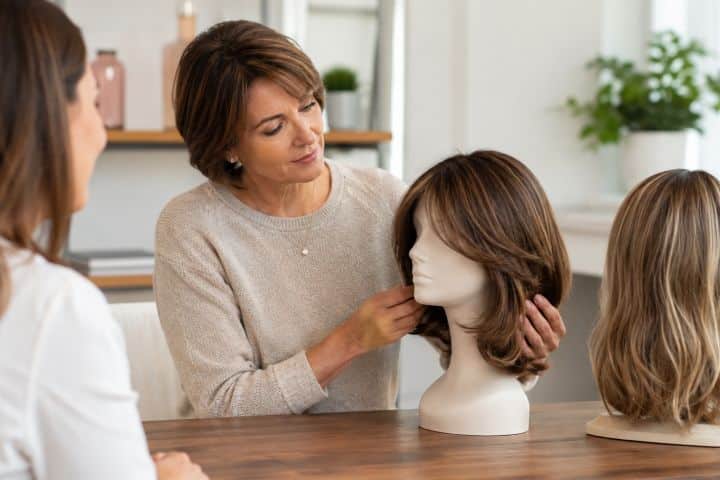
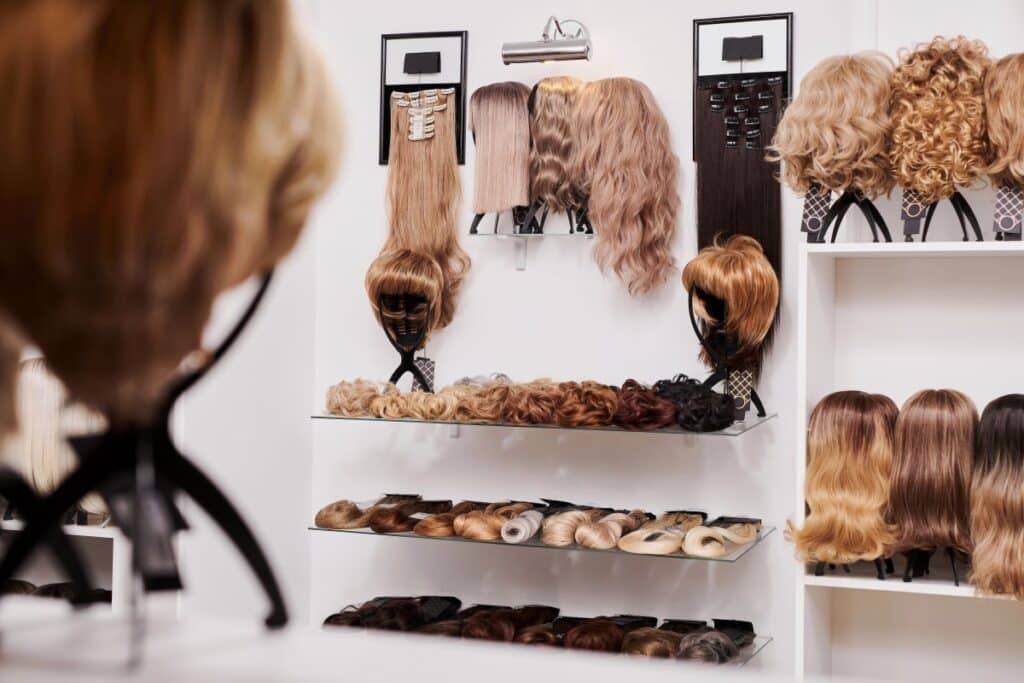
For more noticeable hair loss, wigs, toppers, and hairpieces can offer immediate coverage and confidence. Many women explore quality wigs in New Zealand when looking for realistic options that suit the local climate, lifestyle, budget, and personal style.
Modern wigs and toppers are available in synthetic and human hair varieties, with different cap constructions, colours, densities, and lengths. A well-fitted piece can look natural and feel comfortable for daily wear.
Hair toppers can be especially useful for thinning at the crown or part line, while full wigs may be preferred for more extensive loss. The best option depends on the pattern of hair loss, comfort preferences, maintenance needs, and how often the piece will be worn. Professional fitting can help ensure a secure and natural result.
Myths About Female Hair Loss
Female hair loss is surrounded by myths, and these can make the experience more confusing. One common belief is that washing hair causes hair loss. In reality, washing simply releases hairs that were already ready to shed. Avoiding washing may make shedding look worse when hair is eventually cleaned.
Another myth is that supplements can reverse all types of female hair loss. Supplements may help if there is a deficiency, but they are unlikely to reverse genetic hair thinning on their own. Similarly, hair oils and scalp massage may improve scalp comfort or help with dryness, but they cannot fix every underlying cause of hair loss.
It is also untrue that female hair loss is always permanent. Many forms of shedding are temporary, particularly those related to childbirth, illness, stress, or nutritional disruption. However, some types are progressive, which is why early assessment is valuable.

Lifestyle Changes That May Support Hair Growth
Healthy hair growth is influenced by overall well-being. Managing stress, getting enough sleep, eating a balanced diet, and addressing health concerns can all support the body’s normal growth cycles. These changes may not replace medical treatment, but they can create a stronger foundation for recovery.
Reducing tension on the hair is also important. Tight braids, high ponytails, extensions, and repeated pulling can contribute to traction alopecia, particularly around the hairline. Choosing looser styles and giving the scalp regular breaks can reduce strain on follicles.
Consistency matters. Hair growth takes time, and visible improvement may take months rather than weeks. Keeping photos, tracking shedding, and noting changes in health or routine can help identify whether a chosen approach is working.
Key Takeaways on Female Hair Loss
Female hair loss can happen for many reasons, including hormones, genetics, stress, illness, nutrition, scalp conditions, and styling habits. Some types are temporary, while others need ongoing management. The most important step is identifying the cause rather than assuming all hair loss is the same.
Professional advice can be valuable when shedding is sudden, persistent, patchy, or emotionally distressing. Medical treatments, nutritional support, gentle hair care, and cosmetic options can all play a role depending on the situation.
For women who want immediate coverage or a confidence boost, wigs, toppers, and styling solutions can provide practical support while longer-term strategies are explored.
Hair loss can be challenging, but it is not something women have to navigate alone. With the right information, early action, and suitable support, it is possible to manage female hair loss in a way that protects both hair health and self-confidence.