Genetic hair loss is one of the most common causes of thinning hair in New Zealand, affecting both men and women across different age groups. For some people, it begins gradually in their twenties or thirties, while for others, it becomes more noticeable later in life. In many cases, the process is slow, which can make it easy to dismiss the early signs until the changes in density, texture, or hairline become difficult to ignore.
Because hereditary hair loss tends to be progressive, understanding the available options matters. The good news is that there is no single path people must follow. In New Zealand, options range from medical treatments and non-surgical therapies through to cosmetic solutions such as wigs and hair toppers, as well as surgical procedures for suitable candidates.
Transitioning from the overview of options, it is useful to look more closely at how genetic hair loss works, its causes, and what these choices mean in context. The right approach depends on the cause, the stage of hair loss, lifestyle preferences, budget, and how a person wants to balance appearance, maintenance, and long-term expectations.
Understanding Genetic Hair Loss in New Zealand
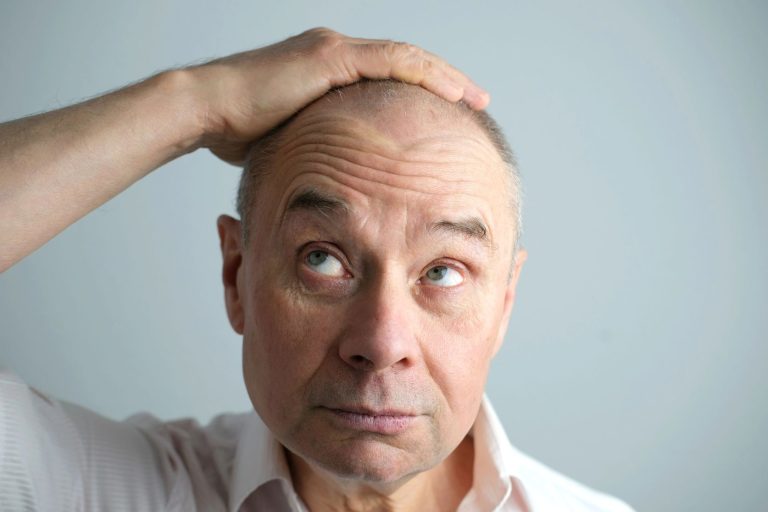
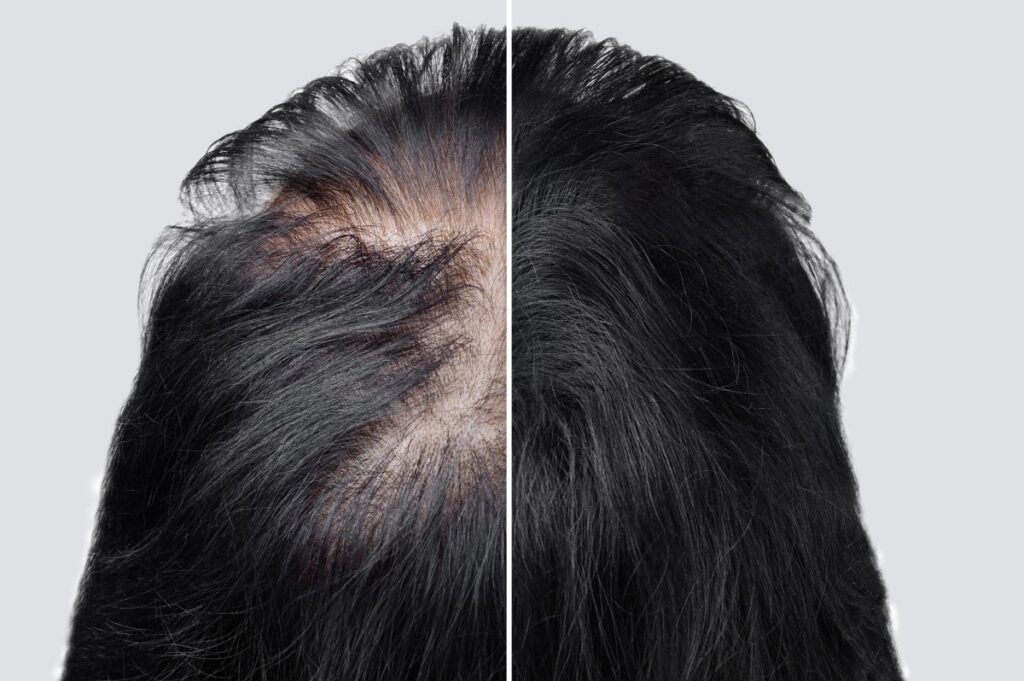
Genetic hair loss is often referred to as an androgenetic type of alopecia, as in a hereditary form of hair thinning that’s linked to a person’s genetic sensitivity to hormones that affect the hair follicle. In men, this often appears as a receding hairline or thinning around the crown. In women’s hair loss, it more commonly presents as diffuse thinning in the top or crown area, sometimes with the part line widening over time.
This type of hair loss is especially common because it is tied to inherited traits rather than a single external trigger, and can develop even in those who feel healthy and have no obvious scalp issues. In New Zealand, where people may already manage stress, hormonal shifts, nutritional changes, or age-related changes, hereditary hair thinning can become more noticeable and emotionally significant.
It is also worth recognising that the emotional impact can be substantial. Hair is closely connected to identity, confidence, and self-image. For many people, finding the right solution is not only about regrowth or concealment, but also about regaining a sense of normality and control.
What Causes Genetic Hair Loss?
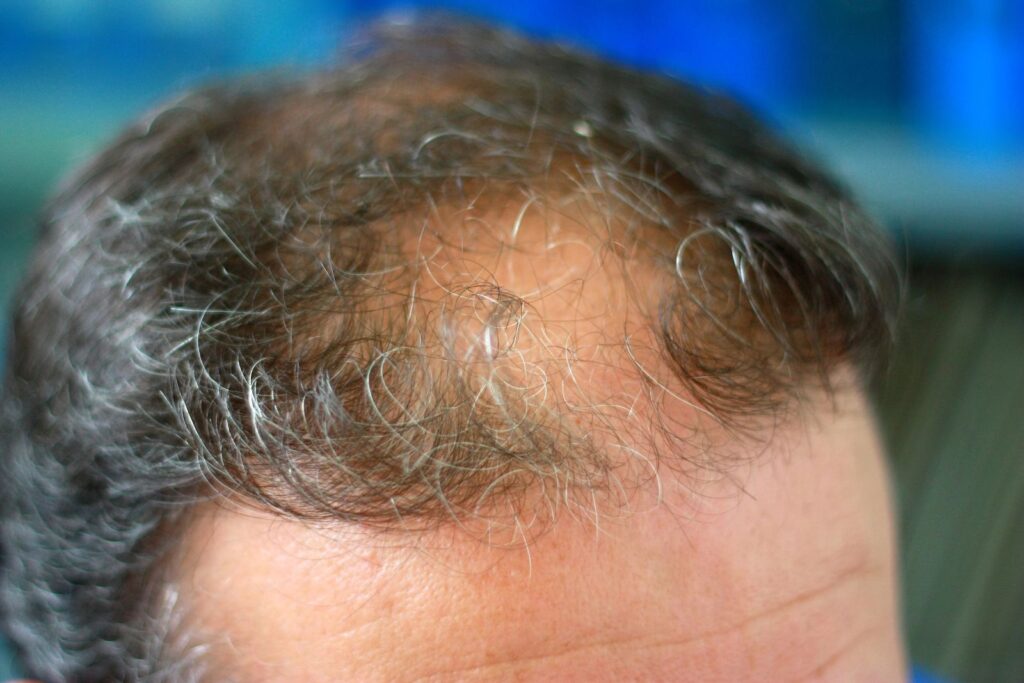
At the core of genetic hair loss is follicle miniaturisation. Over time, susceptible hair follicles shrink, producing shorter, finer, and weaker strands. Eventually, some follicles may stop producing visible hair altogether. This process is strongly influenced by inherited sensitivity to androgens, particularly dihydrotestosterone, often shortened to DHT.
Although hereditary factors are the underlying driver, the way genetic hair loss appears can vary. Some people experience a slow and steady reduction in density. Others notice periods where the hair seems to thin more quickly. Age can make the condition more apparent, and factors such as illness, stress, hormonal changes, and poor scalp or hair care may worsen the visibility of thinning, even if they are not the root cause.
That distinction matters. Genetic hair loss does not always happen in isolation. A person may have hereditary thinning combined with seasonal shedding, postpartum hair changes, iron deficiency, thyroid problems, or scalp inflammation. That is why it is important not to assume that every case of hair loss is purely genetic without proper assessment.
Recognising the Early Signs of Genetic Hair Loss
Early signs can be subtle. Men may notice more scalp showing under bright light, a maturing hairline that continues to move backwards, or thinning at the crown. Women may notice that ponytails feel smaller, the scalp is more visible at the part line, or styling no longer gives the same volume it once did.
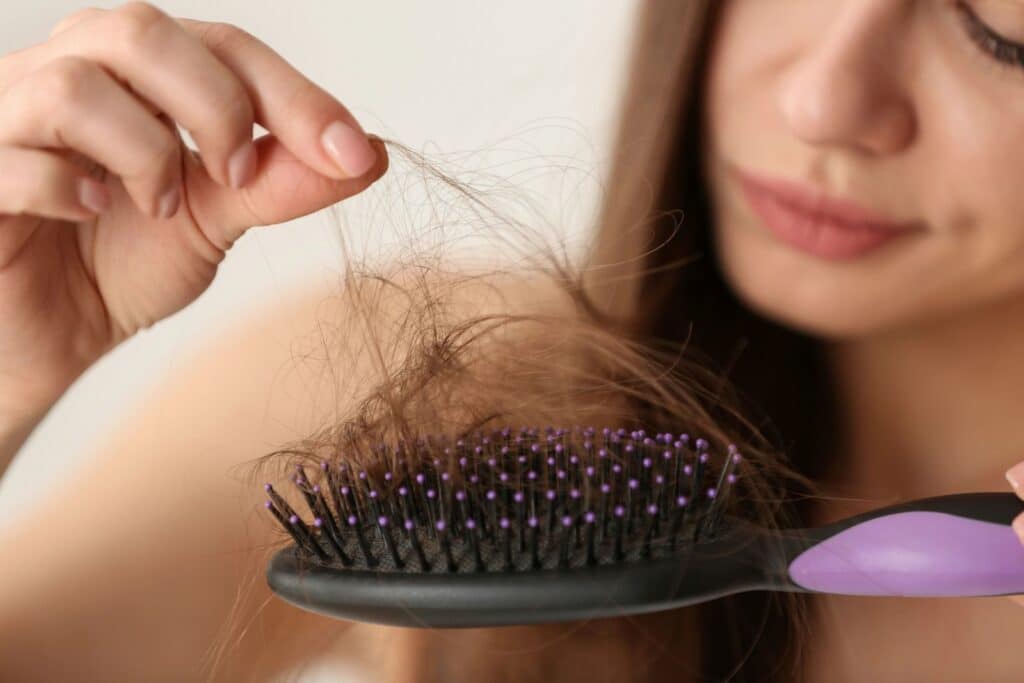
One challenge is that normal shedding and genetic hair loss are not the same. Temporary shedding involves more hairs falling out than usual over a period, but follicles can recover. With genetic hair loss, the growth cycle changes and new strands tend to be finer and less substantial over time.
Catching it early can improve the range of available options. Treatments aimed at slowing progression generally work best when there are still active follicles to support. Cosmetic options can also be easier to integrate early, before thinning becomes advanced.
Getting a Diagnosis for Genetic Hair Loss in New Zealand
Before starting any treatment plan, it is sensible to get a proper assessment. A GP, dermatologist, or hair restoration clinic may help identify whether the issue is hereditary hair loss, another form of alopecia, or a combination of factors. A consultation may include questions about family history, recent health changes, medications, stress, hormones, and scalp symptoms.
This step is important because treatment choices should be based on the actual cause of hair loss, not guesswork. Someone with genetic thinning may benefit from one set of options, while someone with autoimmune hair loss or nutritional deficiency may need a different approach entirely.
For many New Zealand patients, getting clarity is the first major step. Once the cause is understood, it becomes much easier to compare realistic options and create a plan that fits personal goals.
Non-Surgical Options for Genetic Hair Loss
Non-surgical treatment is often the first line of action for hereditary hair loss. Topical treatments are commonly used to help prolong the growth phase of the hair cycle and support thicker regrowth in some people. Oral medications may also be prescribed in suitable cases, especially where hormone-related follicle miniaturisation is a major factor.
These treatments help slow progression and preserve existing hair, but require consistency. They are not instant fixes, and results vary. For many, the goal is maintenance and improvement rather than full reversal.
Other non-invasive approaches may include low-level laser therapy, specialised scalp care, or cosmetic thickening products designed to reduce the contrast between the hair and scalp. These options can play a useful supporting role, particularly for people in earlier stages of thinning or those who want to avoid more invasive procedures.
Still, it is important to keep expectations realistic. Non-surgical treatments may help stabilise hair loss and improve the appearance of density, but they do not work equally well for everyone. Some people respond strongly, while others see only modest change.
Hair Transplant Options in New Zealand
For people with more established genetic hair loss, hair transplantation may be worth considering. This involves moving healthy follicles, usually from the back or sides of the scalp, into thinning or bald areas. The two most commonly discussed methods are FUE and FUT.
FUE, or follicular unit extraction, removes individual follicular units and implants them into recipient areas. It is often chosen by people who prefer shorter hairstyles and want to minimise the appearance of linear scarring. FUT, or follicular unit transplantation, involves removing a strip of scalp from the donor area and dissecting it into grafts. In some cases, FUT may provide a larger number of grafts in one session.
A transplant can produce natural-looking results in the right candidate, but it is not a cure for genetic hair loss. Existing non-transplanted hair may continue to thin, which means long-term planning is essential. People often still need maintenance strategies after surgery to protect the surrounding hair.
PRP and Regenerative Treatments for Hair Loss
Platelet-rich plasma, often called PRP, is sometimes used as a supportive treatment for thinning hair. It involves drawing a person’s blood, concentrating components believed to support healing, and injecting that material into the scalp. The aim is to encourage healthier follicle activity.
Interest in regenerative treatments has grown, especially among people looking for options between medication and surgery. Some patients are drawn to these approaches because they are less invasive than a transplant and may be used alongside other therapies.
However, regenerative treatments should be viewed with balance. They may suit some people as part of a broader hair restoration plan, but they are not guaranteed solutions. Their effectiveness can depend on the stage of hair loss, the individual response, and how they are combined with other methods.
Wigs and Hair Toppers as Practical Hair Loss Solutions
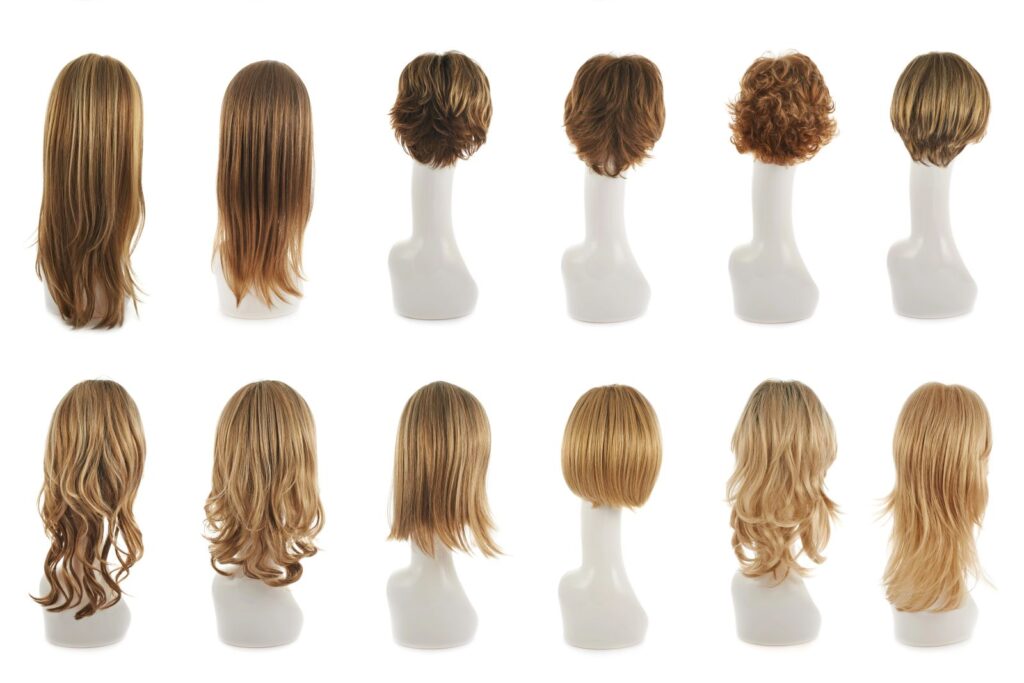
Medical and surgical options are only part of the picture. For many people in New Zealand, wigs and hair toppers or hair patches provide an immediate, effective, and confidence-restoring way to manage the visible effects of genetic hair loss. They can be especially valuable for those who do not want medication, are not suitable for surgery, are waiting for treatment results, or simply want a non-medical answer to what improves day-to-day comfort.
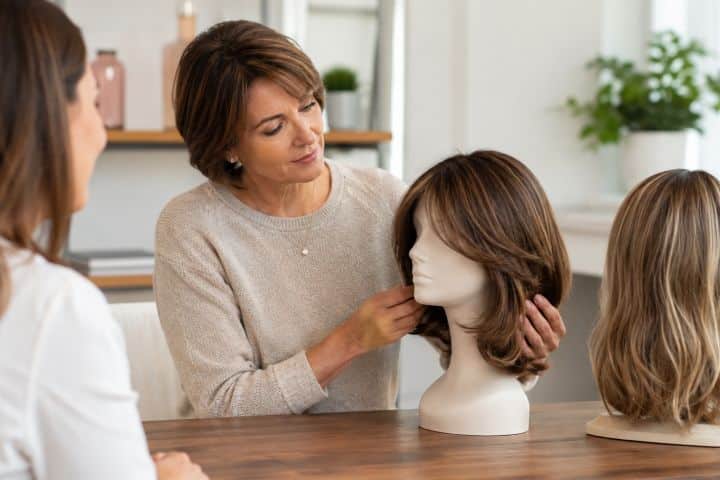
Hair toppers are designed to integrate with existing biological hair and add coverage where thinning is most noticeable, often at the crown or top of the head. They can work particularly well for women experiencing diffuse thinning or widening at the part line. A well-matched topper can add volume and reduce scalp show-through without requiring a full wig.
Wigs may be the better fit for people with more advanced hair loss or those who want complete coverage and styling ease. Modern wigs can look highly natural, and the range of fibre types, cap constructions, and custom fitting options has grown significantly. The best choice depends on lifestyle, budget, maintenance preferences, and how much coverage is needed.
For people navigating hair loss in New Zealand, support and guidance can make a major difference when choosing between these options. Brands such as Custom Hair Company can help by providing wigs, toppers, and personalised support for individuals dealing with thinning hair or more advanced loss.
That kind of assistance can be valuable because the practical side of alternative hair, including fit, comfort, colour matching, density, and maintenance, often matters just as much as appearance.
Choosing the Right Hair Loss Option in New Zealand
There is no universal best treatment for genetic hair loss. The right option depends on several factors, including the degree of hair thinning, how quickly it is progressing, whether the person wants to preserve existing hair, and whether they prefer medical treatment, cosmetic coverage, or surgical intervention.
Some people want to focus on slowing progression with topical or oral treatment. Others are more interested in immediate cosmetic improvement through hair fibres, toppers, or wigs. Some may prefer a combined approach, using treatment to preserve biological hair while also using a topper or wig for confidence and flexibility. For a suitable candidate, a transplant may later become part of that plan.
Budget and maintenance also matter. Medical treatment often involves ongoing use. Surgical treatment has a higher upfront cost. Wigs and toppers vary widely in price depending on fibre type, customisation, and lifespan. The most sustainable choice is usually the one a person can maintain comfortably over time.
What This Means for New Zealand Patients
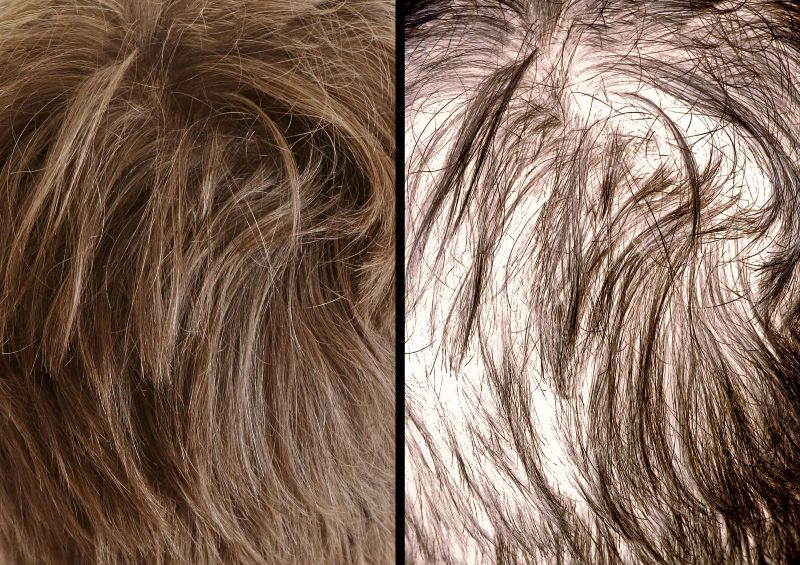
Genetic hair loss can feel deeply personal, but it is also very common, and there are more options available today than many people realise. The best path is not always about chasing a cure. Often, it is about finding the combination of treatment, support, and cosmetic solutions that gives a person confidence and control.
For some, that means early intervention with non-surgical treatment. For others, it means exploring advanced restoration procedures. And for many, wigs and hair toppers offer a practical, natural-looking solution that can make an immediate difference to daily life. With the right advice and support, people experiencing hair loss in New Zealand can find options that suit both their appearance goals and their comfort.
The most useful first step is usually a clear assessment of the cause, followed by a realistic plan. Whether that plan includes medical management, a transplant consultation, or support from providers such as Custom Hair Company, the key is choosing an approach that feels sustainable, informed, and tailored to the individual.