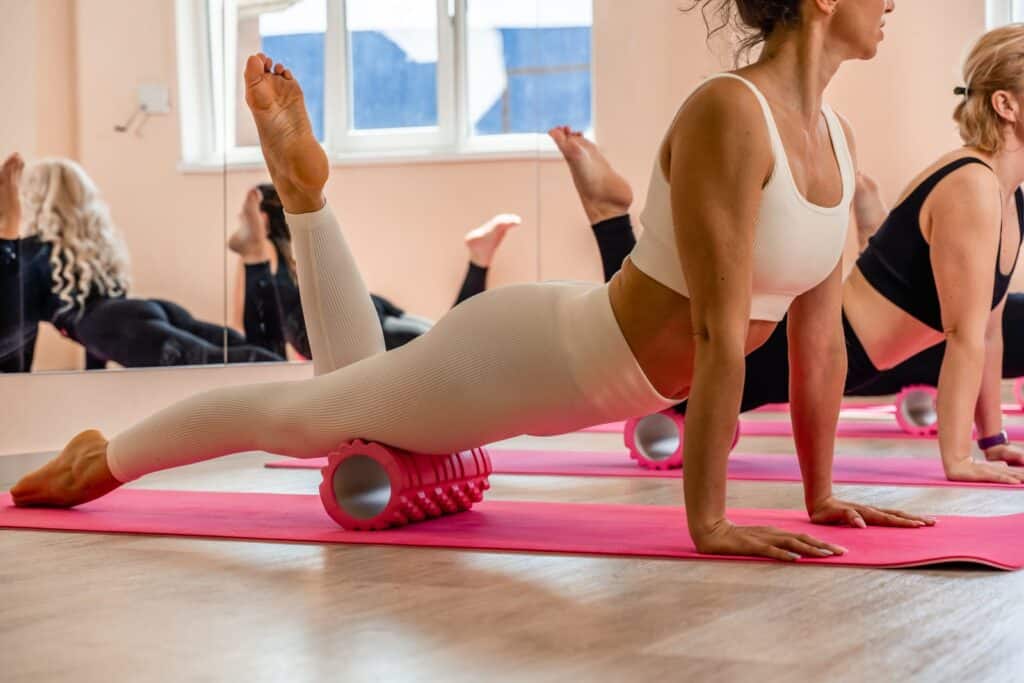
When it comes to mind–body workouts, two practices dominate the wellness world: Yoga and Pilates. Both are celebrated for building strength, improving flexibility, and supporting mental well-being. But with so many overlapping benefits, it can be hard to know which one is right for you. Let’s break down the differences, the benefits, and how to choose the best fit for your lifestyle.
What Is Yoga?
Yoga originated in India thousands of years ago as a spiritual practice that focuses on uniting the body, mind, and breath. Modern yoga often combines physical postures (asanas), breath control (pranayama), and meditation.
What Are The Key Benefits of Yoga
- Improves flexibility and mobility through deep stretching.
- Reduces stress and anxiety by calming the nervous system.
- Enhances balance and posture, which is especially helpful for desk workers.
- Supports mindfulness by encouraging presence and self-awareness.
- Styles vary widely, from slow and restorative Yin yoga to fast-paced Vinyasa flows, so there’s something for every fitness level.
What Is Pilates?
Pilates was developed by Joseph Pilates in the early 20th century as a system to strengthen the body, rehabilitate injuries, and improve overall alignment. It focuses on core strength, stability, and controlled movements.
What Are The Key Benefits of Pilates
- Strengthens deep core muscles for better posture and reduced back pain.
- Improves body awareness and alignment, making it popular with athletes and dancers.
- Increases muscular endurance without adding bulk.
- Low-impact but highly effective, making it suitable for beginners and those recovering from injury.
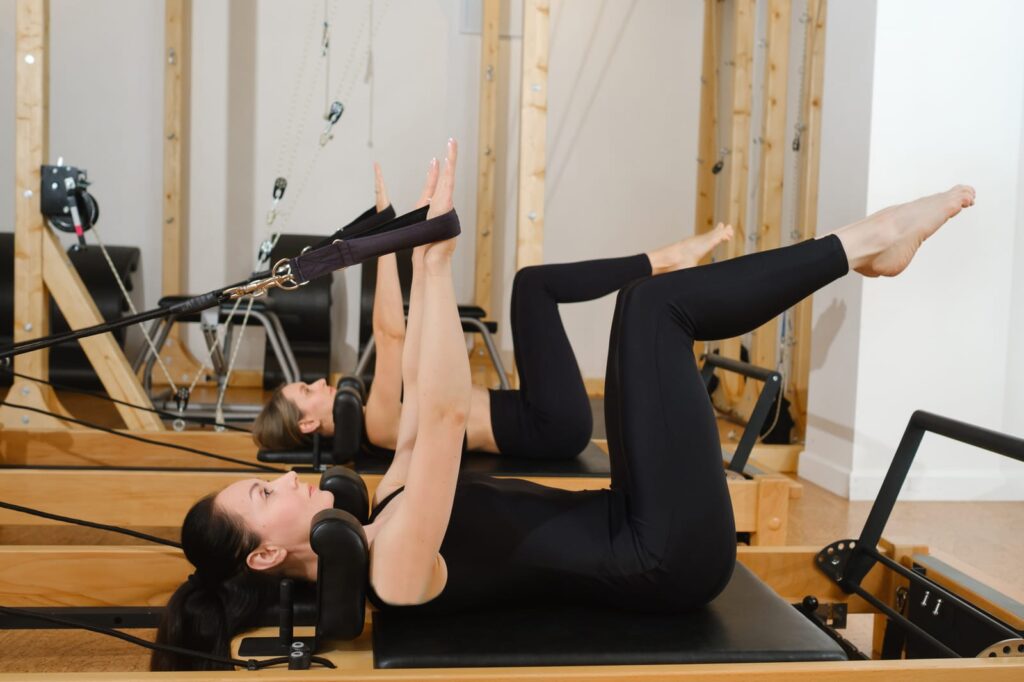
- It can be performed on a mat or specialised equipment, such as the Reformer.
Yoga vs. Pilates: The Main Differences
Although yoga and Pilates look similar at first glance, both involve mats, controlled movements, and mindful breathing, their underlying philosophies and goals are quite different. Here’s a closer look at the distinctions:
Spiritual vs. Physical Emphasis
Yoga: Rooted in ancient Indian philosophy, yoga goes beyond physical fitness. It incorporates breathing exercises (pranayama), meditation, and sometimes chanting or mindfulness practices. The goal is often self-awareness, inner peace, and the union of mind, body, and spirit.
Pilates: Created in the early 20th century, Pilates has a more modern, fitness-based focus. It’s less about spirituality and more about strengthening, rehabilitating, and aligning the body, especially the core muscles.
Flexibility vs. Core Strength
Yoga: Prioritises stretching and lengthening muscles, making it excellent for improving flexibility, mobility, and joint health. Many yoga poses open up tight hips, shoulders, and hamstrings, which is beneficial for office workers or athletes.
Pilates: While it does improve overall mobility, its main strength is in building a solid, stable core. This helps with posture, balance, and everyday functional movement. Pilates is particularly valued for preventing and easing back pain.
Flow vs. Precision
Yoga: Classes often involve flowing sequences (like Vinyasa) where movements are linked together through breath. This creates a meditative rhythm and a sense of continuous movement.
Pilates: Movements are typically smaller, slower, and more controlled, with a strong focus on precision and technique. The aim is to engage specific muscles deliberately, often repeating targeted exercises for maximum benefit.
Equipment and Practice Style
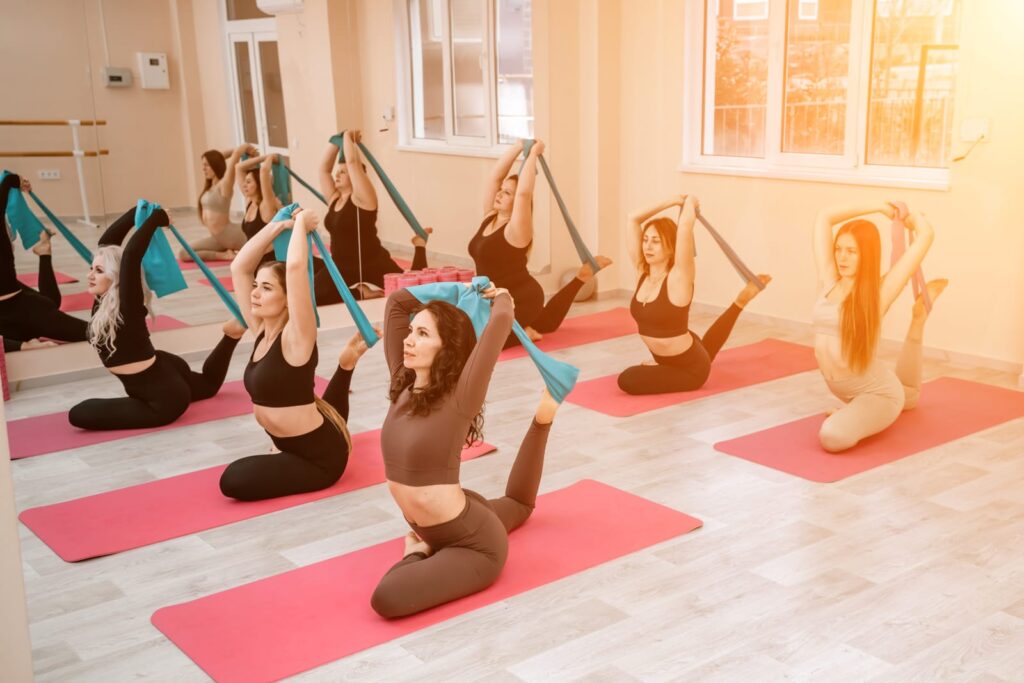
Yoga: Practised mostly on a mat with some optional props, such as blocks, straps, and bolsters, to support proper alignment. It can be done anywhere with minimal equipment.
Pilates: Can be mat-based but is also known for its use of specialised equipment such as the Reformer, Cadillac, or Wunda Chair, which adds resistance and variety to workouts.
Mindset and Lifestyle Integration
Yoga: Extends beyond exercise into more of a lifestyle and philosophy, often influencing your diet, stress management, and daily mindfulness practices.
Pilates: Primarily remains a fitness system, though the body awareness it develops can positively influence posture and movement in everyday life.
Which Is Best for Your Goals?
When choosing between Yoga and Pilates, the best option comes down to your fitness goals, lifestyle, and even personality type. Each practice offers unique benefits, so let’s break it down further.
Choose Yoga If You Want:
A holistic practice that nurtures mind, body, and spirit
Yoga isn’t actually just exercise, it’s a philosophy of living. Classes often include breathwork, meditation, and mindful movement, making it ideal if you’re looking for some inner calm alongside physical health.
Greater flexibility and stress relief
Regular yoga practice gently lengthens muscles, opens up tight joints, and reduces stiffness. Combined with breathing techniques, it’s one of the best tools for managing stress, anxiety, and even improving sleep quality.
A variety of class styles, from relaxing to physically challenging
With yoga, you’re spoilt for choice. Slow Yin or Restorative yoga is perfect for relaxation, while Power or Ashtanga yoga provides a sweaty, strength-based workout. This variety means you can adapt your practice to suit your mood, fitness level, or schedule.
Choose Pilates If You Want:
Stronger abs and improved posture
Pilates is famous for targeting the “powerhouse” for your core. Expect exercises that will strengthen your abs, back, and pelvic floor. Over time, this leads to better posture, reduced back pain, and a taller, more confident stance.
Low-impact strength training
Unlike heavy weightlifting, Pilates builds strength through controlled, repetitive movements. It tones without adding bulk, making it a great choice if you want lean muscle and functional strength without strain on the joints.
Support in recovery from injury or prevention of back pain
Because Pilates focuses on stability, alignment, and core control, it’s often recommended by physiotherapists for rehab. If you suffer from lower back pain, poor posture, or muscle imbalances, Pilates can be an effective, low-risk solution.
Can You Do Both?
Absolutely. Many people blend yoga and Pilates to get the best of both worlds: strength, flexibility, and mindfulness.
By combining them, you’ll enjoy a balanced fitness routine that promotes strength, mobility, and mental clarity. For example, you could do Pilates twice a week to build stability and core control, then attend yoga classes for flexibility and relaxation.
This mix gives you the best of both worlds, a workout routine that’s totally sustainable, varied, and highly effective for long-term health and well-being.
- Yoga improves flexibility, reduces stress, and encourages mindfulness.
- Pilates strengthens your core, improves posture, and enhances body alignment.
Yoga vs. Pilates FAQ
1. Which is better for weight loss: yoga or Pilates?
Pilates tends to burn more calories during a typical session, especially with equipment-based classes, making it slightly better for weight loss. However, more dynamic yoga styles like Vinyasa or Power Yoga can also support weight management when practised consistently.
2. Is Yoga or Pilates better for back pain?
Physiotherapists often recommend Pilates because of its focus on core stability and spinal alignment. However, gentle yoga styles can also ease tension and improve mobility. The best option depends on your condition, consult a health professional before starting.
3. Can beginners do both yoga and Pilates?
Yes. Both are beginner-friendly and can be adapted to different fitness levels. Yoga offers modifications for all postures, while Pilates provides easier variations of exercises to build up strength gradually.
4. Which practice is more relaxing?
Yoga, especially styles like Yin or Restorative, is more relaxing because of its focus on breathing, stretching, and meditation. Pilates is more energising and strength-based, though it can also leave you feeling calm due to the mindful movement.
5. Do I need equipment for yoga or Pilates?
For yoga, all you need is a mat (props are optional). Pilates can be done on a mat as well, but studio sessions often use specialised equipment like Reformers for added resistance and precision.
6. Can I combine yoga and Pilates in my routine?
Absolutely. Many people often alternate between the two to get a balanced workout. For example, you might use Pilates to strengthen your core and yoga to increase your overall flexibility as well as reduce your stress. Together, they provide a well-rounded fitness and wellness plan.
Final Thoughts
When it comes to Yoga vs. Pilates, there’s no one-size-fits-all answer. The best choice will depend on your personal goals, preferences, and lifestyle. If possible, try both and see which one feels better for your body.
Remember, the most effective workout is the one you’ll enjoy and stick with. Whether you’re rolling out a mat for yoga or a Pilates class, both practices will help you achieve greater strength, balance, and well-being.