
Looking after your health isn’t just about eating well or staying active—it’s also about checking in regularly to see how your body is doing. Annual health checks give you the chance to track changes, catch potential issues early, and talk through lifestyle questions with a professional.
In New Zealand, we’re lucky to have good access to healthcare services, but many people still put off routine checks until something feels wrong. Think of annual health checks as a tune-up for your body, keeping you in the best condition possible.
This is general wellness information only. For personalised health advice or medical concerns, always see your GP or a qualified health professional.
Why Annual Health Checks Matter
- Early Detection – Some conditions have no obvious symptoms until later stages. Regular checks increase the chance of spotting things early.
- Peace of Mind – Knowing your health markers are on track helps reduce unnecessary stress.
- Prevention Focus – Annual checks encourage healthy lifestyle adjustments before issues become bigger.
- Personalised Guidance – Professionals can recommend what’s most relevant based on your age, lifestyle, and family history.
Key Annual Health Checks to Consider in New Zealand
1. General Health Assessment
A yearly visit to your GP is like a “warrant of fitness” for your body. It usually includes:
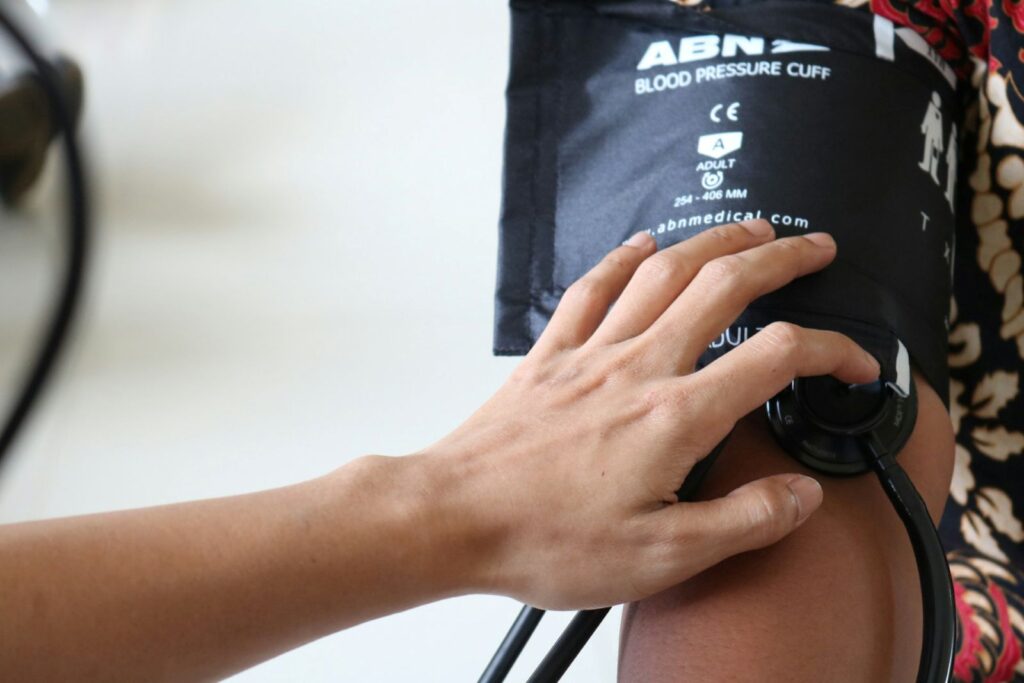
- Blood Pressure – High blood pressure often goes unnoticed but can increase risks for heart disease and stroke.
- Heart Rate & Rhythm – Helps monitor overall cardiovascular health.
- Height, Weight & BMI – Tracks changes year to year; may also include waist circumference as a health risk indicator.
- Respiratory Check – Breathing and lung function assessments, especially important for smokers, ex-smokers, or those with asthma.
- Lifestyle Discussion – Covers exercise, sleep, diet, stress, smoking, and alcohol use.
- Family History Review – Updates your records and helps guide age-appropriate screenings.
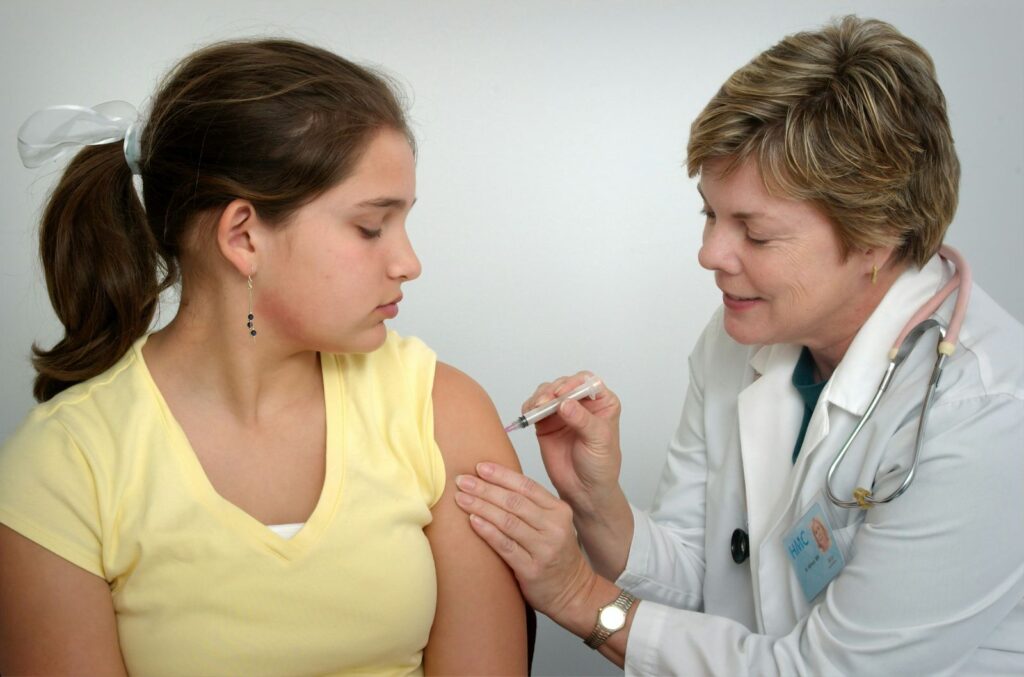
- Vaccination Review – Checks whether you’re up to date with boosters and seasonal shots.
Even if you feel healthy, these basic checks provide a baseline and peace of mind.
2. Blood Tests
Routine blood tests are an important part of an annual health check because they can provide a snapshot of your internal health, even before symptoms appear. Blood tests are quick, generally straightforward, and can help your GP identify potential issues early.
Common Blood Tests and What They Reveal:
- Cholesterol Levels – High cholesterol often has no obvious symptoms but can increase the risk of heart disease and stroke. Blood tests measure LDL (bad) cholesterol, HDL (good) cholesterol, and triglycerides. Tracking these levels annually can help guide dietary or lifestyle changes.
- Blood Sugar Levels – Blood glucose testing helps identify early signs of diabetes or prediabetes. Monitoring blood sugar is particularly important if you have a family history of diabetes, are overweight, or experience fatigue, frequent urination, or excessive thirst.
- Full Blood Count (FBC) – Measures red blood cells, white blood cells, and platelets. Abnormal results can point to anaemia, infections, or other underlying conditions that may require further investigation.
- Iron Levels – Low iron can cause fatigue, weakness, or dizziness, while high iron levels can also affect liver and heart health.
- Vitamin and Mineral Levels – Deficiencies in vitamin D, B12, or other key nutrients can impact energy, mood, bone health, and immunity. Annual testing helps ensure your diet or supplementation is supporting your health effectively.
- Liver & Kidney Function Tests – These tests assess how well your liver and kidneys are working. They are particularly important if you take regular medications, consume alcohol, or have a family history of liver or kidney disease.
- Thyroid Function – Checks whether your thyroid is producing the right amount of hormones, which regulate metabolism, energy, and mood.
- Inflammation Markers – Tests like C-reactive protein (CRP) can give insight into chronic inflammation, which may contribute to cardiovascular disease and other conditions.
Why Regular Blood Tests Matter
Early Detection – Small changes in your blood can signal health issues before symptoms develop.
Baseline Tracking – Annual tests allow you and your GP to compare year-to-year results, making trends easier to spot.
Lifestyle Guidance – Results can inform diet, exercise, and supplementation choices to support long-term wellness.
Peace of Mind – Even if all results are normal, knowing your internal health markers are on track reduces stress and empowers you to maintain healthy habits.
Always discuss your results with a GP or qualified health professional. Blood tests should be interpreted in the context of your overall health, lifestyle, and family history.
3. Skin Checks
New Zealand has one of the highest rates of skin cancer in the world, making regular skin checks an essential part of your annual health routine. Early detection can save lives, and routine monitoring helps you spot changes before they become serious.
What an Annual Skin Check May Include:
- Self-Exams – Performing monthly self-checks helps you notice changes early. Look for:
- New moles, freckles, or spots
- Changes in size, shape, colour, or texture of existing moles
- Any sores that don’t heal or unusual growths
- It can be helpful to use mirrors or ask a partner to check hard-to-see areas like your back.
- Professional Skin Checks – Your GP or a dermatologist can conduct a thorough examination using dermoscopy (a tool that magnifies the skin for detailed inspection). They look for early signs of melanoma, basal cell carcinoma, or squamous cell carcinoma, which are far easier to treat if caught early.
- Sun Protection Review – During your check, your healthcare provider may discuss:
- Daily sunscreen use and SPF recommendations
- Protective clothing, hats, and sunglasses
- Safe sun habits, such as avoiding peak UV hours (10am–4pm)
- UV exposure risk when at work or during outdoor activities
- Education and Monitoring Plans – Professionals can advise how often you should return for skin checks based on your skin type, family history, and previous sun exposure.
Why It Matters
Early Detection Saves Lives – Melanoma and other skin cancers are highly treatable when found early.
Spot Subtle Changes – Some cancers develop slowly and may be missed without careful monitoring.
Promotes Daily Sun Safety – Annual discussions reinforce protective habits that prevent future damage.
If you notice a new mole, an existing spot that changes rapidly, or a sore that doesn’t heal, see a GP or dermatologist immediately. Do not wait until your next annual check.
4. Dental and Oral Health
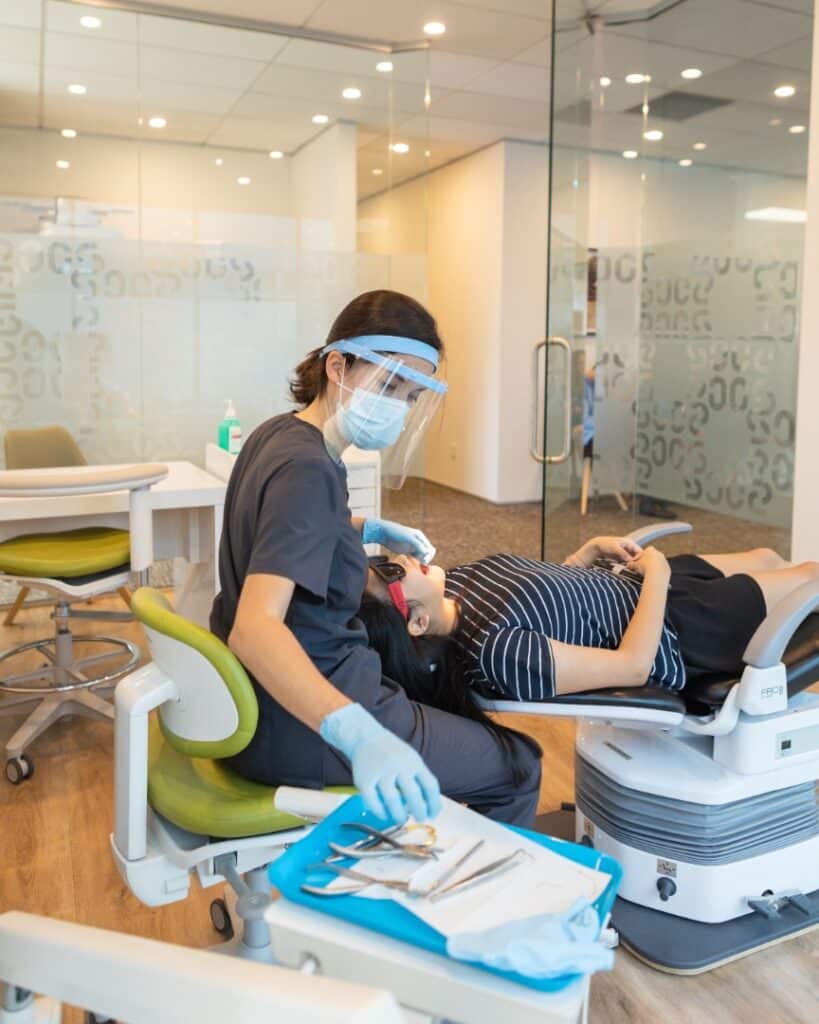
Oral health is about much more than a bright smile, it’s closely connected to your overall wellbeing. Conditions such as gum disease have been linked to heart health, diabetes management, and even respiratory issues, making an annual dental check-up an important part of your health routine.
What an Annual Dentist Visit May Include:
- Check for Cavities & Decay – Small cavities are easy to treat if caught early, but left unchecked they can lead to painful infections, root canals, or even tooth loss.
- Gum Health Assessment – Healthy gums are the foundation for strong teeth. Dentists look for signs of gingivitis (early gum disease), such as bleeding or inflammation, which can be treated before it progresses to more serious periodontal disease.
- Oral Cancer Screening – Dentists check your tongue, cheeks, gums, and throat for unusual patches, sores, or lumps. Early detection can make treatment much more effective.
- Jaw & Bite Check – Misalignment, teeth grinding (bruxism), and jaw tension can cause headaches, earaches, or sleep problems. Your dentist can identify these issues and suggest solutions such as bite splints or orthodontic referral.
- Cleaning & Scaling – Professional cleaning removes hardened plaque (tartar) that brushing and flossing can’t reach. This helps prevent decay, gum disease, and bad breath.
- Discussion of Lifestyle Habits – Your dentist may talk about diet, smoking, alcohol use, and sugar intake—all of which affect oral health.
Why It Matters
Prevention Saves Money & Discomfort – Annual check-ups catch problems before they require costly or painful treatment.
Link to Overall Health – Gum disease has been associated with increased risks of cardiovascular disease and diabetes complications.
Confidence & Quality of Life – Healthy teeth and gums make it easier to eat well, speak clearly, and smile with confidence.
Skipping dental care can lead to more than just a toothache. By keeping up with annual dentist visits, you’re protecting both your oral health and your overall well-being.
5. Eye and Vision Checks
Our eyesight is something many of us take for granted until it starts to change. Clear vision impacts everything from driving safely to enjoying hobbies, working effectively, and staying independent as we age. Because many eye conditions develop slowly and without obvious symptoms, regular eye exams are an important part of annual health checks.
What an Eye Exam May Include:
- Vision Testing – Identifies whether you’re short-sighted (difficulty seeing far away), long-sighted (difficulty seeing up close), or experiencing age-related vision changes like presbyopia. These checks also help ensure your glasses or contact lenses are the correct prescription.
- Eye Pressure Testing (Tonometry) – A painless puff of air or a gentle probe measures pressure inside your eye, which can help detect glaucoma early. Glaucoma often has no symptoms until it is advanced, making early detection vital.
- Retinal Examination – The optometrist looks at the back of your eye, checking blood vessels and the optic nerve for signs of damage. This can also highlight other health concerns, such as high blood pressure or diabetes.
- Screening for Conditions – An eye exam may reveal early stages of cataracts, macular degeneration, or diabetic eye disease—conditions that benefit from prompt monitoring and treatment.
- Peripheral Vision and Coordination Tests – These help ensure your eyes are working well together, which is especially important for safe driving and sports.
Why Regular Eye Checks Matter
- For Adults – Even if you don’t wear glasses, vision can change over time without you realising. Regular checks mean you’re less likely to struggle with headaches, eyestrain, or unsafe driving.
- For Children – Early eye exams can catch issues that affect learning, reading, and concentration at school.
- For older adults, the risks of cataracts, glaucoma, and macular degeneration increase with age, making regular monitoring more important.
Most optometrists recommend an exam every 1–2 years, but your GP or eye care professional may suggest more frequent visits if you have existing vision problems, diabetes, or a family history of eye disease.
If you notice sudden changes in vision, flashes of light, or severe eye pain, seek medical help immediately.
6. Hearing Checks
Hearing changes can creep up slowly, which is why many people don’t notice problems until they begin affecting daily life. An annual hearing check is a proactive way to keep track of your ear health and catch issues early.
You may benefit from regular checks if you:
- Work in Noisy Environments – Jobs in construction, music, hospitality, or factories often expose you to higher noise levels that can gradually damage hearing.
- Notice Ringing in the Ears (Tinnitus) – Persistent ringing, buzzing, or hissing sounds can indicate underlying hearing concerns.
- Struggle with Conversations – If you find it challenging to follow conversations in busy cafés, meetings, or social settings, it could be a sign that your hearing needs support.
- Regularly Use Earbuds or Headphones – Listening at high volumes can put long-term strain on your ears.
- Have a Family History of Hearing Loss – Genetics can play a role in how early or quickly hearing declines.
A professional hearing test usually involves wearing headphones while listening to tones at different volumes and frequencies. This simple, painless test provides:
- A Baseline Record – Helpful for comparing changes over the years.
- Advice on Protection – Such as earplugs, volume control habits, or workplace adjustments.
- Next Steps if Needed – Your audiologist or GP may suggest further testing, hearing aids, or other support if hearing loss is detected.
Even if your hearing feels fine, an annual check is an investment in your future well-being. Good hearing supports communication, relationships, safety, and overall quality of life.
7. Women’s & Men’s Health Screenings
Annual health checks should also include screenings specific to your gender, as these can make a big difference in early detection and long-term well-being.
For Women
Cervical Screening: In New Zealand, regular cervical screening is recommended for women and people with a cervix aged 25 to 69. This test can help detect cell changes early, long before they become a concern. Your GP or local screening clinic can advise on how often you should be tested.
Breast Awareness: Rather than waiting for a mammogram, it’s good practice to be familiar with how your breasts normally look and feel. If you notice any changes, lumps, dimpling, or nipple discharge, book an appointment with your doctor promptly.
Reproductive Health: An annual conversation with your GP about periods, contraception, menopause symptoms, or fertility plans can be valuable for overall wellness.
For Men
Prostate Awareness: Prostate health is especially important for men over 50, or earlier if there’s a family history of prostate cancer. While not all men need testing, discussing it with your GP can help determine what’s right for you.
Testicular Self-Checks: Testicular cancer often affects younger men (15–39). A monthly self-check can help you spot unusual lumps, swelling, or pain. If anything feels different, seek medical advice immediately.
General Reproductive Health: Don’t overlook discussions around hormones, sexual health, or fertility concerns; these can all impact your well-being and energy levels.
Note: Screening recommendations vary depending on age, lifestyle, and family history. Always check with a health professional to understand what’s appropriate for you.
Preventive care is not just about physical markers like blood pressure or cholesterol. It is also about understanding how broader life choices affect well-being. Our article on New Zealand’s shift to solo parenting shows how more women are planning their futures through fertility options and independent parenthood.
8. Mental Wellbeing Check-In
Looking after your mental health is just as important as physical check-ups. Stress, anxiety, and low mood can build gradually, often without us realising how much they’re affecting daily life. Making an annual mental well-being check-in part of your health routine helps you stay balanced and spot when extra support might be needed.
Signs it may be time for a check-in:
- Constant tiredness, even with enough sleep
- Feeling overwhelmed or unable to cope with daily tasks
- Difficulty concentrating or making decisions
- Ongoing low mood, sadness, or irritability
- Withdrawing from social activities or loved ones
What a mental well-being check-in can involve:
- Self-Reflection – Take time to assess your stress levels, work-life balance, and emotional resilience. Journaling, meditation, or simply asking yourself, “How am I really doing?” can provide clarity.
- Lifestyle Habits Review – Sleep quality, diet, exercise, and downtime all play big roles in mood and energy. Checking in on these areas can highlight where small improvements may help.
- Professional Support – Talking with your GP, a counsellor, or a psychologist can provide tools to manage challenges and maintain balance. You don’t need to wait until things feel overwhelming—proactive support is just as important.
- Social Connections – Healthy relationships with friends, whānau, and community groups are protective factors for mental health. An annual reflection on the quality of these connections can be valuable.
- Stress Management Tools – Whether it’s mindfulness, breathing exercises, hobbies, or nature walks, building positive coping strategies helps you bounce back from life’s pressures.
Why it matters
Mental well-being impacts everything: your physical health, relationships, productivity, and sense of purpose. By giving your mind the same annual “check-up” attention as your body, you’re investing in a healthier, more balanced life.
If you experience persistent feelings of anxiety, depression, or distress, always seek help from your GP or a qualified mental health professional.
Habit Hacks for Annual Health Checks
- Pick a “Health Month” – Tie it to your birthday or the start of spring.
- Bundle Appointments – GP, dentist, eye check, all in the same month.
- Track Your Results – Use a journal or app to spot health trends.
- Get Your Whānau Involved – Make health a family routine.
- Reward Yourself – Celebrate once your checks are complete.
- Stay Flexible – If you miss a date, rebook, don’t skip.
The hardest part of annual health checks isn’t the appointment itself; it’s remembering to book it in and keeping the routine going year after year. By turning health checks into a habit, you’ll find it easier to stay consistent and less likely to let them slip off the to-do list.
Here are some practical ways to make them part of your lifestyle:
Mark Your Calendar – Choose a time of year that’s easy to remember, like your birthday month, New Year, or the start of spring, and make it your annual “health month.” Setting a recurring reminder in your phone or calendar ensures it becomes part of your routine.
Bundle Appointments – Life gets busy, and booking separate check-ups throughout the year can feel overwhelming. Try scheduling your GP check, dental visit, and eye exam within the same month. This way, you tick everything off in one go and save time.
Track Your Results – Keeping a simple health journal (or using a wellness app) helps you see trends over time, whether it’s blood pressure readings, cholesterol levels, or even how often you’ve been to the dentist. Looking back on progress can be motivating and helps you ask better questions at your next appointment.
Involve Your Whānau – Health habits are easier to stick with when you share them. Encourage family members to book their checks at the same time, making it a shared priority. For parents, it’s also a great way to set an example for children about the importance of proactive health care.
Reward the Routine – Keeping up with annual checks can feel like a chore, so make it something positive. Treat yourself to a relaxing afternoon, a favourite meal, or a small reward once you’ve ticked everything off.
Stay Flexible – If life gets in the way and you miss a check, don’t wait until the following year to make it up. Rebook when you can. The goal isn’t perfection, it’s consistency over time.
By treating health checks as part of everyday self-care, rather than an occasional chore, you’ll find it much easier to stay on track year after year.
Final Word
Annual health checks are about prevention, not fear. They give you the tools to make informed lifestyle choices and the reassurance that you’re doing what you can for your future self.
Everyone’s needs are different, so always talk to your GP or health professional about the right schedule for you. A few hours each year could add years of healthy living to your life.