Whether you’ve just had your braces removed or are preparing for the final phase of treatment, retainers are the next critical step. They may not be as visible as brackets or aligners, but they carry just as much weight in keeping your smile stable. In Auckland and across suburbs like Epsom, Howick, North Shore, and Warkworth, patients often underestimate the cost and commitment retainers involve.
The retention phase is arguably the most overlooked part of orthodontics. Yet without it, all the hard work and money spent aligning teeth can quickly be undone. Knowing how long you’ll need a retainer, how often to replace it, and what it will cost gives you the clarity to plan your post-treatment journey with confidence.
This article breaks down the real cost of retainers in New Zealand, how long you’ll need them, and what you can expect depending on the type you choose. If you’ve ever wondered whether one kind of retainer lasts longer than another, or how often replacements are needed, we cover that too, with a focus on practical, suburb-specific insights.
Key Takeaways
- Most patients require retainers for several months to years post-braces to maintain alignment.
- Costs vary based on type, location, replacement needs, and provider.
- Fixed retainers may cost more upfront but reduce the risk of relapse.
- Locations like Epsom, North Shore, Howick, and Warkworth may see different price brackets.
- Knowing what to expect helps patients make informed, cost-effective decisions.
Why Retainers Matter After Orthodontic Treatment
The Role of Retainers in Maintaining Your New Smile
Finishing braces isn’t the end of the journey. Once teeth are aligned, the surrounding tissues need time to stabilise. Retainers ensure those teeth stay in their new positions while bone and ligaments adapt. Without them, even the best results can unravel.
Retainers act like a safety net. After your braces come off, your teeth are still mobile. Your gums, ligaments, and jaw need time to hold the new alignment. Retainers provide the stability required to lock your bite into place.
What Happens Without a Retainer
Skipping retention often leads to relapse. Teeth slowly shift back, especially in the first year post-treatment. For patients in Auckland suburbs like North Shore or Howick, this could mean starting from scratch. Wearing your retainer as directed is the simplest way to protect your investment.
Without a retainer, even minor shifting can create issues with bite function or spacing. Some patients experience crowding again within months. Others may find their aligner or braces journey was wasted if they return to their original state.
Common Types of Retainers and Their Typical Costs
Removable Clear Retainers (Essix)
Essix retainers are clear, thin, and fit snugly over teeth. In New Zealand, they typically range from $250 to $400 per arch. Patients love them for their low profile, but they’re prone to cracking if not handled carefully. They usually need replacement every 1 to 2 years.
These retainers are popular with teens and adults alike due to their near-invisibility. However, frequent removal for eating or drinking can increase the chance of loss. They’re great for aesthetics but require discipline in cleaning and wearing.
Hawley Retainers (Acrylic and Wire)
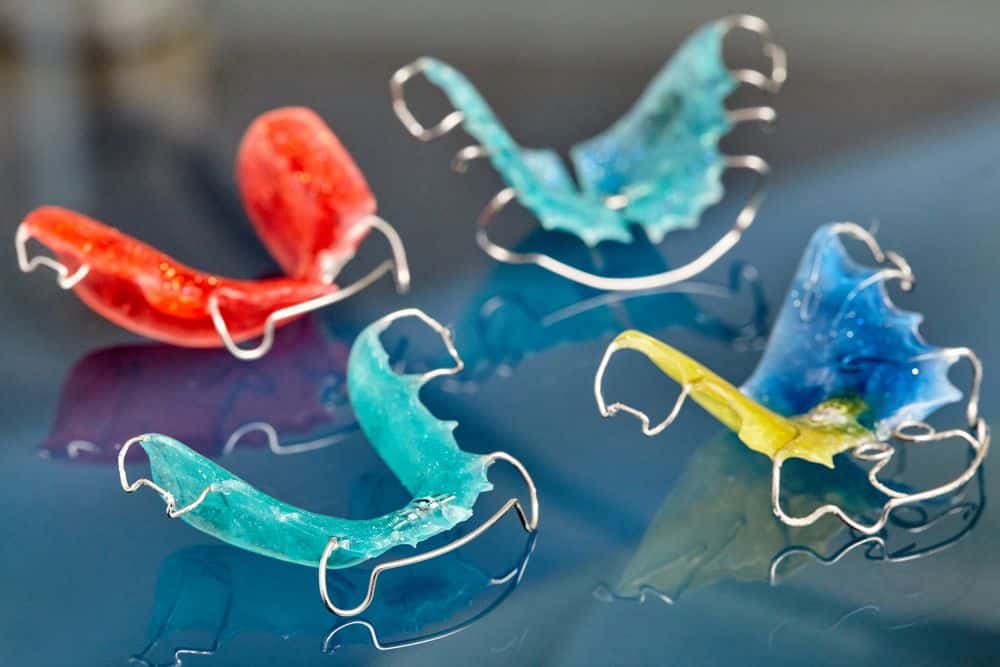
More durable than Essix, Hawley retainers feature a wire front with an acrylic base. Costs range from $300 to $500 per arch. They’re easier to repair and can last longer, making them ideal for long-term wearers in areas like Warkworth where repeat appointments may be less convenient.
Hawleys allow for minor adjustments over time. They’re also a good choice for those with significant post-treatment shifting risk. Though less discreet than clear retainers, their lifespan often justifies the visibility trade-off.
Fixed/Bonded Retainers
These are thin wires bonded behind the front teeth, typically on the lower arch. They can cost between $350 and $600 per arch. Though pricier up front, they eliminate user error. A good option for teens or those prone to forgetting.
Fixed retainers are ideal for patients with high relapse risk or those who simply want peace of mind. While maintenance can be trickier with flossing, their effectiveness in keeping teeth in line is unmatched.
Factors That Influence the Cost of Retainers
Location Within Auckland
The suburb matters. In Epsom and North Shore, where demand and practice overheads are higher, expect to pay towards the upper end of the range. Clinics in Howick or Warkworth may offer more competitive pricing, but service levels and follow-up care should be considered as well.
Location can also influence the range of options available. High-volume clinics in city centres may offer express retainer turnaround, while suburban practices might focus on personalised fittings and longer consults.
Initial versus Replacement Retainer Costs
Some orthodontic packages include your first set of retainers, while others charge separately. Replacements are almost always extra, often due to loss, wear, or damage. Clear retainers are the most commonly replaced type, especially among younger patients.
It’s worth asking upfront what’s included in your treatment plan. Some practices offer one free replacement within a set period, while others provide discounts on future sets if ordered early.
Insurance and Payment Plans
Orthodontic retainers are rarely fully covered by insurance in New Zealand. However, many clinics offer payment plans. This is especially helpful for families managing multiple orthodontic treatments across siblings, particularly in larger areas like North Shore.
Some patients use Health Savings Accounts or claim partial reimbursement if their retainer is deemed essential for long-term dental function. Always check the fine print of your dental plan.
When and Why You Might Need a Replacement
Signs It’s Time to Replace Your Retainer
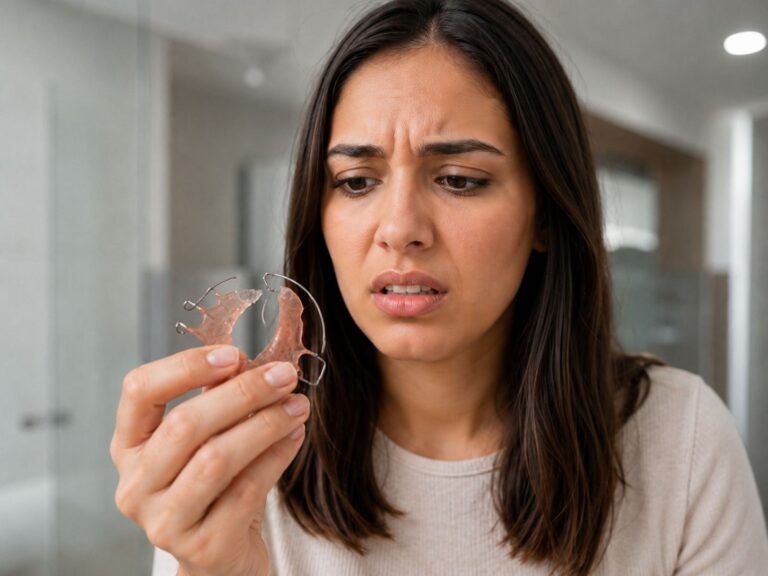
Cracks, warping, and discomfort are early signs. If the fit feels loose or your bite shifts, you likely need a new one. Some patients in Auckland replace Essix retainers yearly, while Hawleys may last 3 to 5 years.
Other red flags include increased plaque buildup around bonded retainers or soreness along the gumline. Don’t wait until damage is obvious. Even subtle changes can undermine treatment outcomes.
How to Reduce the Need for Frequent Replacements
Use the case. Clean retainers with cool water and a soft brush, not boiling water or toothpaste. If you travel from Howick to Hamilton for the weekend, pack your case. Retainers wrapped in napkins are the most common loss story in clinics.
Keep retainers out of hot cars, pets’ reach, and dishwashers. These everyday scenarios are the leading causes of accidental warping or destruction. A little care goes a long way in extending their life.
How Long Will You Need to Wear a Retainer?
General Guidelines from Orthodontists
Most orthodontists recommend full-time wear for the first 3 to 6 months post-braces, then transition to night-only. Some patients, especially adults, wear retainers indefinitely to maintain results.
Even after years, your teeth can shift. Night-time wear is a long-term safeguard against gradual movement. The duration depends on your age, original misalignment, and how stable your bite is.
What Patients in Auckland Suburbs Should Know
Work and lifestyle matter. A tradie in Warkworth may prefer a fixed retainer to avoid daily handling. A student in Epsom might go for a removable one due to visibility concerns. Suburb-specific clinic advice can tailor the best option to each lifestyle.
Orthodontists often consider weather, diet, and activity level when making recommendations. For example, active teens in Howick might benefit from bonded retainers that withstand sports-related challenges.
The Real Value Behind Quality Retainers
Cost versus Long-Term Value
While fixed retainers or Hawleys may cost more initially, they reduce long-term risk of shifting and expensive re-treatment. Think of it like tyres. Go cheap, and you might end up paying double in the long run.
Beyond protecting your smile from relapse, retainers also help preserve the broader health benefits of orthodontic treatment, from better chewing function to improved oral hygiene.
Paying more for a quality retainer upfront often means fewer appointments, better fit, and longer wear life. It’s not just about what you pay. It’s about what it saves you from down the track.
Why Some Aucklanders Choose Cheaper Options and Regret It
DIY mail-order retainers are tempting, especially when budgets are tight. But poorly fitted devices can cause more harm than good. Clinics in Howick and North Shore often report cases of damage from these budget alternatives.
Without the supervision of an orthodontist, patients risk gum irritation, bite misalignment, or worse. Pushing teeth into unstable positions is a real risk. A cheap solution can become an expensive problem.
Final Thoughts: Making a Smart Retainer Choice
A retainer is more than a plastic tray or a wire. It’s an insurance policy for your smile. Ask your orthodontist about what’s included in your treatment package, what the replacement protocol is, and what suits your daily routine. Whether you’re in Epsom, Warkworth, or the North Shore, the smartest choice is one that balances durability, comfort, and clinical support.
Post-braces success depends on daily habits and informed decisions. Don’t let the retention phase become an afterthought. With the right retainer and regular check-ins, your smile will stay exactly where it belongs, confidently in place.
That said, even with good orthodontic care, unexpected problems can arise. For guidance on handling urgent dental issues, check out our proven guide to choosing the right emergency care from a dentist.