When I first started exploring fertility in women, I realized there’s a lot of confusion, myths, and strong emotions involved. If you’re reading this in New Zealand, you’re not alone – many of us are trying to piece together what truly supports fertility, and what’s just noise. In this article, I’ll walk you through the most helpful, evidence-based ideas around fertility problems in women, fertility support, natural methods, diet, and tracking ovulation all in clear language.
Fertility Problems Women Face
“Fertility problems women” is a term many search, because women often feel like they carry the burden of infertility (even though male factors are just as important). The causes can include:
- Age – Female fertility declines with age, especially after the mid-30s.
- Hormonal imbalances – Conditions like PCOS, thyroid issues, or irregular cycles can interfere with ovulation.
- Structural issues – Blocked or damaged fallopian tubes, uterine fibroids, scarring (for example from infections or surgery).
- Endometriosis – In New Zealand, many women with endometriosis (about 3–4 in 10) can be affected in their fertility.
- Lifestyle & health factors – Being underweight or overweight, smoking, excessive alcohol, extreme stress, or unmanaged chronic disease (like diabetes) can all reduce fertility.
- Unexplained infertility – Even after tests, sometimes no cause is found.
The first step is assessment: blood tests, imaging (ultrasound), hormone levels, and sometimes more advanced fertility testing. In Auckland, for example, Fertility Plus handles many of these investigations.
What Really Supports Female Fertility
Trying to conceive can be exciting, stressful, and confusing all at once. If you’re a woman in New Zealand navigating this journey, you might be wondering what actually works and what’s just internet noise. Here’s a clear, practical guide to support your fertility – covering medical treatments, lifestyle changes, supplements, and emotional wellbeing.
The Medical Side of Things
If lifestyle changes alone aren’t working, don’t feel like you’ve failed – sometimes medical help is the right next step. Here in New Zealand, we’re lucky to have good fertility services.
Common Fertility Treatments
- Ovulation Induction (OI) – Helps stimulate your ovaries to release an egg.
- IUI (Intrauterine Insemination) – Places sperm directly into the uterus, giving it a head start.
- IVF (In Vitro Fertilisation) – The most advanced treatment, combining egg and sperm outside the body before transferring the embryo.
The Lifestyle Stuff (That Actually Matters)
Everyone talks about lifestyle changes, but the truth is: they work. And they don’t have to be overwhelming. Here’s what to focus on:
- Weight management – You don’t need to be super skinny. Just aim for a healthy range where you feel good.
- Quit smoking – This is one of the most critical fertility-boosting acts you can take.
- Modest alcohol – Enjoy the occasional wine, but make it sensible.
- Limit caffeine – One or two coffees in a day is fine, but skip the third shot.
- Sleep properly – Your hormones need proper sleep to function well. Move slowly – Regular movement helps, but don’t overtrain while trying to conceive.
Supplements That Actually Matter
The supplement industry loves marketing to women trying to conceive, but you don’t need a whole cabinet full of pills.
- Folate (Folic Acid) – The non-negotiable supplement. Start taking it before you conceive and keep going through early pregnancy.
- Talk to your pharmacist – They can help you choose the right dose (usually 800 mcg daily is recommended in NZ).
Other supplements might be helpful, but folate is the one backed by solid evidence.
How to Increase Your Chances (Without Losing Your Mind)
1. Know When You’re Fertile
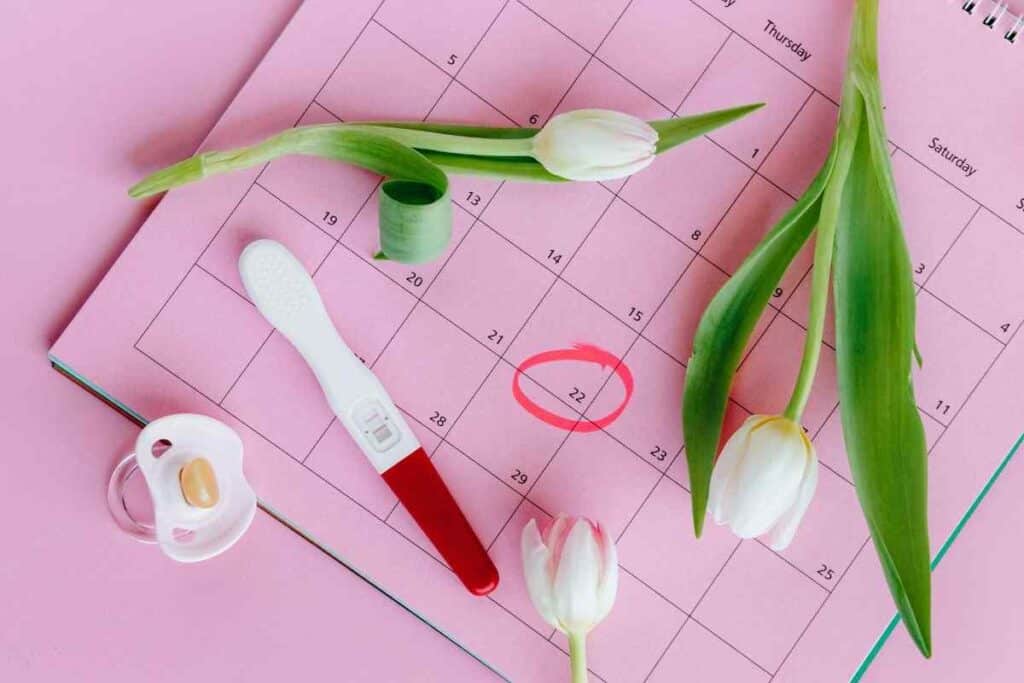
Many women aren’t sure when they ovulate, and that’s okay – but tracking can seriously improve your chances.
- Temperature Tracking – Take your basal temperature each morning before getting out of bed. A small rise signals ovulation.
- Cervical Mucus – Look for clear, stretchy mucus – it means you’re in your fertile window.
- Ovulation Tests (OPKs) – Pharmacy kits detect your LH surge (24–36 hours before ovulation).
- Cycle Tracking Apps – Great for spotting patterns, but don’t rely on them alone.
2. Get the Timing Right
Here’s a secret: you want sperm waiting for the egg, not the other way around.
- Sperm can live for up to 5 days.
- An egg only lasts 12–24 hours.
Best approach: Have sex every second day in your fertile window for the best chance without too much pressure.
3. Don’t Let Your Mind Work Against You
Look, I’m not going to tell you to “just relax and it’ll happen” – that’s the most annoying advice ever when you’re actively trying to conceive. But here’s the reality: when you’re constantly wound up, your body can struggle to do what it needs to do hormonally.
You don’t need to become a meditation guru or pretend everything’s fine when it’s not. Just find small ways to give your brain a break from the fertility obsession:
Maybe it’s your Tuesday night yoga class, or maybe it’s belting out Taylor Swift in the car. Could be a proper catch-up with your sister, or getting lost in a trashy Netflix series where the biggest drama is who’s getting kicked off the island.
The point isn’t to eliminate stress completely (impossible) – it’s about having some go-to ways to decompress when the whole thing starts consuming your thoughts.
When to Put Down Google and Pick Up the Phone
Here’s the thing – Dr. Google is terrible at fertility advice. Those late-night research spirals where you convince yourself you have seventeen rare conditions? Not helpful.
If your gut is telling you something’s not right, listen to it. You know your body better than anyone.
Time to make that appointment if:
- You’re under 35 and you’ve been properly trying for a year (and by properly, I mean actually timing things right, not just “seeing what happens”)
- You’re over 35 and it’s been six months – don’t mess around waiting longer
- Your periods have gone rogue – missing for months, so painful you can’t function, or completely unpredictable
- You already know you’ve got PCOS, endometriosis, or other reproductive health issues
- You’ve had pelvic infections or STIs in the past that might have left some damage
And here’s what I really want you to hear: booking that appointment doesn’t mean you’re giving up, being impatient, or admitting defeat. It means you’re being smart about getting answers instead of wondering “what if” for another six months.
Your fertility journey is not a test of how long you can tough it out on your own Your Personal Fertility Game Plan
Every woman’s journey is different – so create a plan that suits your life.
Your Realistic Timeline (Because Nobody Gets Pregnant in Month One Like the Movies)
Months 1-3: Don’t Try to Be Perfect Start simple – download a period tracking app and actually use it. You’re not aiming for superwoman status here, just better than you were last month.
Maybe swap your afternoon energy drink for water, or go to bed 30 minutes earlier. Add folate to your morning routine (stick a note on your coffee machine if you’re forgetful like me).
The goal isn’t to overhaul your entire life overnight – that never works and you’ll just stress yourself out.
Months 3-6: Work Smarter, Not Harder By now you should be seeing patterns in your cycle. Use that intel! If you ovulate on day 16, don’t waste energy having scheduled sex every single day of the month.
Keep tweaking one thing at a time. Maybe this month you tackle the late-night Instagram scrolling, next month you add in a weekend walk. Small changes stick better than dramatic life overhauls.
Month 6 and Beyond: Stop Being a Hero If you’re under 35 and it’s been six months of proper trying (not just “we’re not preventing”), it’s time for a chat with your GP. No shame in this game.
Over 35? Don’t even wait this long. Seriously. Time matters more when you’re in your late thirties, and there’s no prize for suffering in silence.
You Don’t Have to Do This Alone (Even Though It Sometimes Feels That Way)
Let’s be real – fertility stuff can make you feel like you’re living in your own private hell while everyone around you accidentally falls pregnant after one glass of wine.
Your Partner Needs to Actually Partner Up This isn’t just about showing up for the fun part. They need to understand why you’re suddenly obsessed with your temperature and cervical mucus (gross but necessary). Get them involved in the lifestyle changes too – you shouldn’t be the only one giving up Friday night wines.
Friends and Family: Choose Your Battles You’ll have the friend who got pregnant on her honeymoon offering helpful advice like “maybe you’re trying too hard.” You’ll have your mum asking if there’s “any news” every Sunday.
Share what feels right for you, but don’t feel obligated to give everyone a monthly update on your uterus. A simple “we’re still working on it” shuts down most conversations.
Keep Learning – But Stay Balanced
Fertility research and advice are everywhere, but too much information can get overwhelming.
Stick to trusted sources:
- Health New Zealand
- Fertility NZ
- Your GP or fertility specialist
And avoid those late-night internet rabbit holes – they usually just create more worry.
Natural Ways to Boost Female Fertility
Many women prefer “natural ways to boost female fertility” before or alongside medical routes. Some strategies that have shown promise or are widely recommended:
- Anti-inflammatory, whole foods – Lots of vegetables, fruit, whole grains, lean proteins, healthy fats (e.g. olive oil, nuts).
- Reduce processed foods & sugar – High glycaemic loads may worsen insulin resistance, which can impact fertility.
- Omega-3 fats – Found in flaxseed, walnuts, chia, or fish (if your diet allows) may support hormone balance.
- Antioxidant-rich foods – Berries, colourful vegetables, etc.
- Herbs carefully, under guidance – Some herbal blends or traditional medicines are used, but always discuss with a medical provider (especially if also doing fertility treatment).
- Mind–body work – Stress reduction, good sleep, emotional care – they all matter, more than many realise.
While none of these guarantee success, they can improve your overall health and set your body in a better environment for a pregnancy to happen.
Creating Your Own Fertility Action Plan
Fertility is different for every woman. Here’s how I recommend creating your own plan of action:
Begin with the basics: Emphasize a whole foods diet, regular exercise, ample sleep, and managing stress. These are the building blocks of healthy reproductive life.
Begin monitoring your cycle: Choose an approach that suits you and commit to doing it on a regular basis for a minimum of three months to notice trends.
Make gradual changes: Don’t try to overhaul your entire lifestyle in a single day. Long-lasting small changes are more effective in the long term.
Build your support network: Whether it’s your partner, family, friends, or online communities, having support along the way makes things easier.
Stay informed but don’t obsess: Learn about fertility, but don’t let it occupy your every waking thought. Balance is key.
Moving Forward with Confidence
Coming to know your fertility doesn’t have to be intimidating. By embracing a holistic approach that includes good nutrition, exercise, stress management, and understanding your cycle, you’re giving your body the optimal foundation for reproductive health.
Keep in mind, fertility is only one part of your total health and wellbeing. Whether you’re hoping to conceive now or sometime in the future, the things you do to enhance your fertility will be good for your health in so many other ways as well.
Here in New Zealand, we have the good fortune of having excellent healthcare resources and natural environments to support our wellness journeys. Utilize our beautiful outdoors for physical activity, consume fresh local foods when possible, and don’t hesitate to invoke healthcare professionals for assistance when necessary.
Your fertility journey is yours, and every little something you do to assist your reproductive health matters. Be gentle with yourself, be informed, and remember that you are never alone on this journey.
Disclaimer: This article is informational only and should not be used as a replacement for professional medical care. Always see your health care provider prior to you making any of the substantial dietary changes, exercise, or trying to become pregnant.