The Connection Between Hormonal Shifts and Hair Health
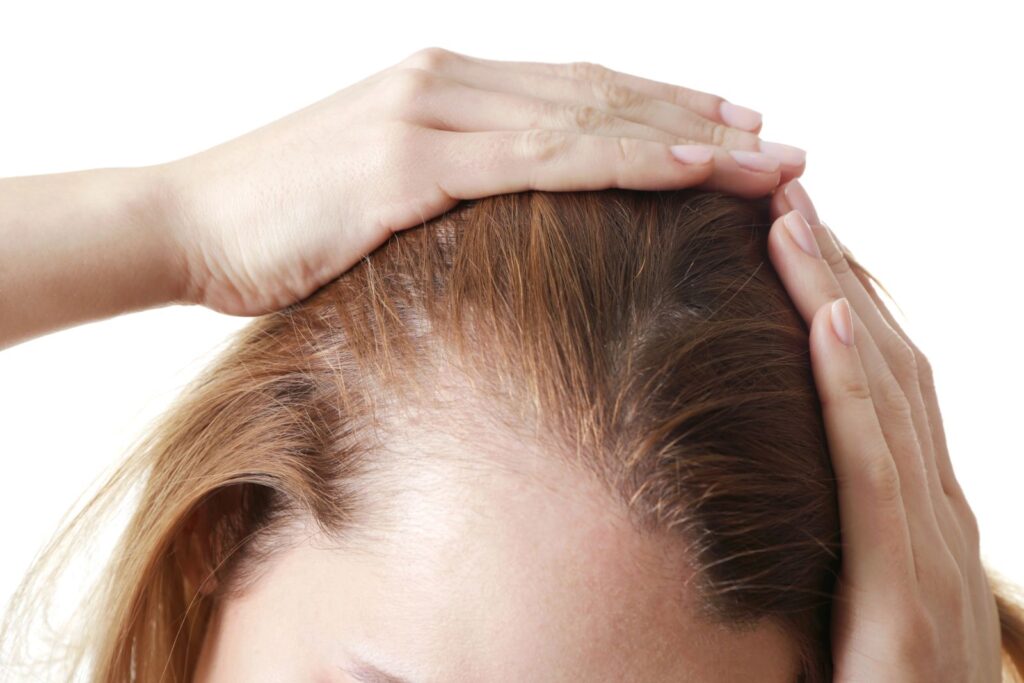
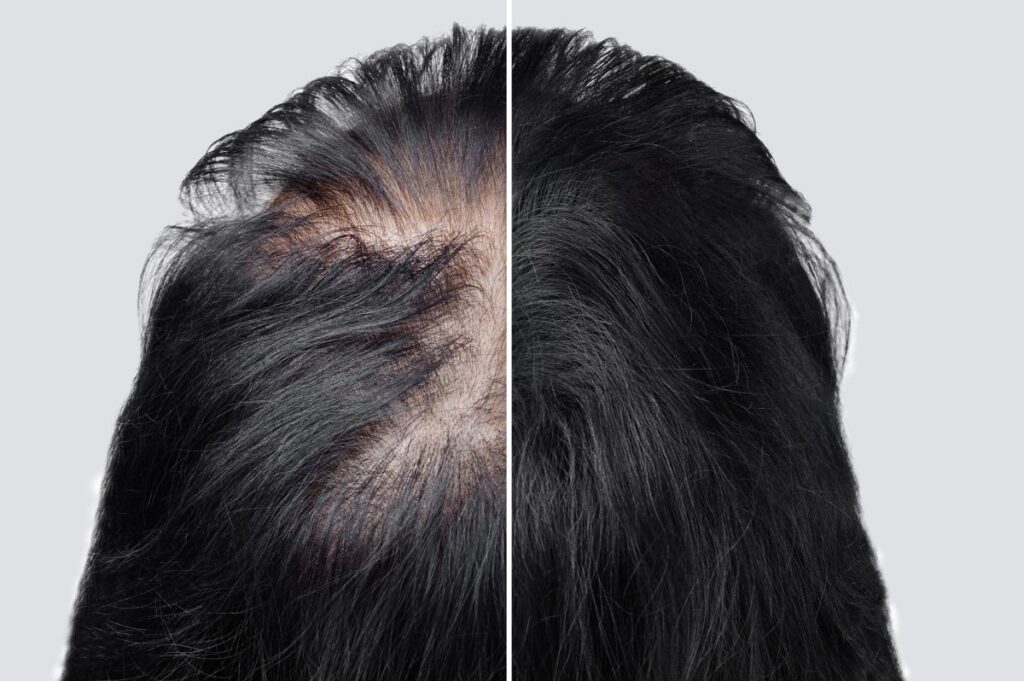
During menopause, many women notice changes in their hair’s thickness and vitality. What was once a full, healthy head of hair may begin to thin, particularly around the scalp’s crown and along the hairline. These menopause hair loss changes, while distressing, represent a natural response to hormonal fluctuations during this life stage.
Understanding the Biological Mechanisms
Hormonal Influences on Hair Follicles
Throughout a woman’s reproductive years, estrogen and progesterone support robust hair growth by prolonging the follicle’s active growth phase. When menopause begins, declining levels of these hormones lead to shorter growth cycles. Hair spends less time growing and more time resting, leading to increased shedding and reduced replacement of lost strands.
The Impact of Androgen Imbalance
As estrogen decreases, the relative proportion of androgens, such as testosterone, becomes much more significant. The body converts some testosterone into dihydrotestosterone (DHT), a compound that binds to hair follicles and causes them to shrink gradually. This miniaturisation process produces progressively thinner, shorter hair strands and contributes to the diffuse thinning pattern commonly observed during menopause.
Identifying Hair Loss Patterns
Common Warning Signs
Changes typically develop gradually rather than appearing suddenly. Women may observe the following:
- Increased space between hair strands, especially along the part line
- Reduced diameter of ponytails or buns
- Greater quantities of hair accumulating in brushes, shower drains, or on pillows
- Changes in hair texture, including increased brittleness or dryness
Distinguishing Loss from Damage
It’s important to differentiate between hair that sheds from the follicle and hair that breaks mid-shaft. Examining fallen strands can provide clues: those with a small white bulb at one end have completed their growth cycle and shed naturally, while strands without this bulb have broken due to mechanical or chemical stress. Understanding this distinction helps determine the most effective intervention strategies for you.
Lifestyle Factors That Accelerate Thinning
Styling and Processing
While hormonal changes trigger menopausal hair loss, certain habits can make it worse. Frequent chemical treatments, excessive heat styling, and tight hairstyles that pull on the roots all compromise hair integrity. These practices become particularly problematic when your hair is already weakened by hormonal shifts.
Nutritional and Psychological Stress
Hair follicles require adequate nutrients to function optimally. Deficiencies in iron, vitamin D, biotin, and zinc can compound hormonally-driven thinning. Additionally, elevated stress hormones can disrupt the normal growth cycles, pushing more follicles into a premature resting phase. Addressing these factors through improved nutrition and stress management techniques may help slow progression.
Strategies for Maintaining Hair Health
Scalp Care Fundamentals
A well-maintained scalp provides the foundation for healthy hair growth. Gentle cleansing products that preserve natural oils while removing buildup can help create an optimal environment for follicles. Regular scalp massage may improve circulation and nutrient delivery to the hair roots.
Products containing ingredients such as caffeine, niacinamide, and panthenol have shown promise in supporting scalp health and potentially improving hair density.
Dietary Considerations
When it comes to diet and menopause hair loss, consuming adequate protein, omega-3 fatty acids, and antioxidants provides the raw materials follicles need to produce strong hair. For those who are unable to meet the nutritional requirements through their diet alone, targeted supplementation may offer them benefits, though results will vary among individuals.

Professional Interventions
Medical treatments, including topical medications and hormone replacement therapy, may benefit some women who are under appropriate medical supervision.
Non-invasive options like low-level laser therapy have also gained attention for their potential to stimulate follicle activity. Cosmetic procedures such as scalp micropigmentation can also create the appearance of greater density.
Alternative Solutions for Immediate Results
Hairpieces and Coverage Options
Modern hairpieces offer an immediate solution for those experiencing noticeable thinning. Contemporary designs utilise high-quality materials that closely mimic natural hair in appearance, movement, and texture. Full wigs provide complete coverage, while partial pieces target specific areas of concern.
Toppers, which integrate with existing hair to add volume at the crown or part, have become increasingly popular due to their versatility and natural appearance. These solutions allow women to maintain their preferred style while addressing areas of significant thinning.
Selecting Appropriate Options
The choice between human hair and synthetic materials will depend on individual preferences regarding maintenance, styling flexibility, and budget. Human hair pieces offer the most realistic appearance and can be styled with heat tools, while synthetic options provide convenience and shape retention.
Consulting with a hair loss specialist can help identify the most suitable solution based on the extent of thinning, lifestyle requirements, and aesthetic preferences.
Psychological Aspects of Hair Loss
Hair often represents an important component of self-image and confidence. Experiencing significant changes in hair density can affect emotional well-being and self-perception. Recognising this psychological dimension is important for addressing the full impact of menopausal hair loss.
Finding an effective solution, whether through regrowth strategies, hairpieces, or a combination of approaches, often helps restore confidence and allows women to feel more comfortable in their appearance.
Moving Forward
Hair changes during menopause affect a significant proportion of women, yet each person’s experience remains unique. Understanding the underlying causes, implementing protective measures, and exploring available solutions can help women navigate this transition while maintaining their desired appearance.
With the appropriate information, self-care practices, and some professional guidance when its needed, it’s possible to address menopausal hair concerns effectively and continue feeling confident throughout this life stage.