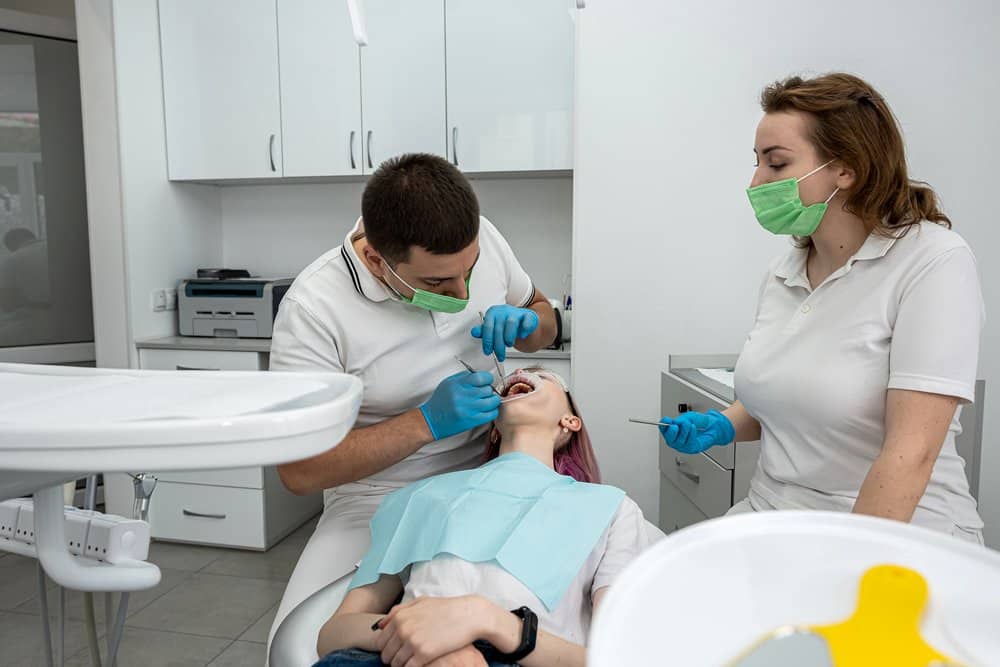
Dental emergencies don’t wait for a convenient time. Whether it’s a cracked tooth at midnight or swelling that escalates on a public holiday, knowing how to respond can mean the difference between saving a tooth and losing one. Many patients delay treatment because they aren’t sure what counts as urgent or who to call.
This guide lays out the facts, from identifying emergencies to getting the right care quickly, especially for residents looking for a trusted dentist in Te Awamutu.
When handled quickly and by the right professionals, dental emergencies can often be resolved without long-term damage. The key is recognising symptoms early, understanding your treatment options, and knowing where to turn when time is critical. This guide draws on experience from dentists who’ve dealt with everything from minor abscesses to full-blown trauma cases.
Key Takeaways
- Know which symptoms signal a real dental emergency
- Learn how emergency dental clinics differ from general practices
- Understand what to ask before making an urgent dental booking
- Get clarity on expected costs and financial support options
- Discover how patients in Te Awamutu and surrounding towns can access reliable care promptly
When Is It a Real Dental Emergency?
Not All Pain Is Equal: Recognising Urgent Symptoms
Mild discomfort can usually wait, but some signs demand immediate care. Swelling in the face or jaw, difficulty swallowing, uncontrolled bleeding, or a knocked-out tooth all qualify. Sharp, lingering pain that interrupts sleep is also a red flag. These issues can signal infection, abscesses, or structural damage, all of which require prompt attention to avoid complications.
Ignoring these signs may lead to worsening infection, spreading inflammation, or in some cases, systemic illness. If you feel light-headed, feverish, or notice pus in your mouth, the situation is urgent. Patients in Te Awamutu are encouraged to contact an emergency clinic straight away rather than trying to manage severe symptoms with over-the-counter remedies.
How Dentists Prioritise Emergencies
Emergency clinics use clinical triage to assess urgency. Trauma, infection, and acute pain often take priority over chipped teeth or cosmetic concerns. Dental teams are trained to identify whether immediate treatment is needed or if a short wait is safe. This ensures resources are focused where the risk is highest.
In Te Awamutu, some emergency clinics operate dedicated phone triage to help you describe your symptoms and determine how fast you need to be seen. This service alone can prevent unnecessary travel or delay.
What Makes Emergency Dental Care Different?
More Than Routine Dentistry
Emergency dental care is not only about speed. It relies on having the right tools, team, and protocols in place. Clinics equipped for emergencies have real-time imaging, surgical equipment, and the ability to handle everything from extractions to temporary crowns. Some also offer sedation options for high-pain or high-anxiety scenarios.
These clinics often follow strict hygiene and infection control procedures that meet surgical-grade standards. Staff are trained to make fast clinical decisions under pressure. Routine practices may not always be prepared for the same range of conditions.
Experience You Can Rely On
The more emergency cases a dentist has managed, the faster and more accurately they can act. This matters in high-pressure situations, where confidence and precision prevent further damage. Emergency-focused clinics work differently from general practices. They’re set up to manage time-critical issues, not routine check-ups.
An experienced dentist in Te Awamutu will have treated everything from dislodged teeth to fractured jaws. That level of exposure builds the kind of instinct you want when you’re sitting in pain, needing answers fast.
Questions You Should Always Ask Before Booking
Availability After Hours or on Weekends
Not all clinics keep extended hours. Before you find yourself in crisis, check whether your local dentist offers after-hours support or emergency slots. Some clinics operate specifically for urgent cases, ensuring patients in Te Awamutu aren’t left waiting days for an appointment.
It also helps to find out how they manage out-of-hours calls. Do they offer text support? Can you speak to a clinician directly? These details matter when timing is tight.
Transparent Pricing and ACC/WINZ Options
Ask whether the clinic provides clear pricing upfront, especially for urgent cases. A quality emergency dental clinic will explain fees ahead of time and support patients who qualify for WINZ or ACC-funded care. This transparency prevents bill shock and helps you make confident decisions.
Some clinics in Te Awamutu even have direct integration with ACC and WINZ systems to make processing claims easier. If you’re unsure about eligibility, staff can help walk you through the requirements.
What Emergency Dental Care Typically Costs in New Zealand
Common Fees and Why They Vary
The cost of emergency dental care depends on the procedure. An urgent consultation can start at $90 to $150, with treatments like extractions or X-rays adding more. Prices may also differ by location, depending on clinic size, overheads, and availability of on-site technology.
Sedation, after-hours service, and complex imaging will increase costs. Still, many patients find these services well worth the peace of mind they provide.
Some orthodontic emergencies, like broken brackets or damaged wires, can be avoided with clear aligners, which may also reduce long-term costs compared to traditional braces in Auckland.
Support for Eligible Patients
For those on a limited income, Work and Income (WINZ) may provide funding for emergency dental treatment. ACC also covers dental injuries caused by accidents. A good emergency clinic can assist with quotes and help you navigate these systems without delay.
Some clinics also offer flexible payment options or staged treatment plans so urgent care doesn’t become a financial burden.
Accessing Help Quickly, Even in Regional Areas
Reliable Care in Te Awamutu and Surrounding Waikato Towns
You don’t need to live in a major city to get urgent dental care. Clinics in Te Awamutu and towns across Waikato are increasingly designed to handle emergencies with minimal wait times. Services often extend to nearby communities, ensuring residents in places like Kihikihi, Otorohanga, and Cambridge aren’t left scrambling.
A reliable dentist based in Te Awamutu is well-positioned to support patients in these surrounding areas. Many local clinics offer same-day emergency appointments to residents from nearby towns, making urgent dental care accessible across the wider region. This convenience means you don’t need to travel far to get the help you need, even if you live outside the town centre.
These regional clinics are often well-connected, working with GPs, pharmacies, and local health boards. That means if you need antibiotics or follow-up imaging, the referral process is often faster and more coordinated.
What to Do While You Wait
While waiting for your appointment, basic first aid can help. Use cold compresses for swelling, rinse with warm salt water for irritation, and avoid chewing on the affected side. Don’t apply aspirin directly to gums or use sharp tools to “fix” the issue. These can worsen the situation or introduce infection.
If your pain level spikes or new symptoms appear, call the clinic again, especially if swelling spreads or you begin to feel feverish. In some cases, dental issues can turn dangerous quickly.
If you’re preparing for oral surgery, such as a wisdom tooth removal, you may also find value in our guide on the best diet plan before wisdom teeth extraction, which explains how proper nutrition can support faster recovery.
The Final Word
Delaying care during a dental emergency rarely ends well. Many patients hope the pain will pass, only to land in more severe trouble days later. A responsive, experienced emergency dental clinic can prevent this spiral. The good news? There are trusted providers in Te Awamutu who focus entirely on emergency cases. Their services cover everything from trauma response to pain relief, all without needing a referral.
Emergency dentistry is an important part of healthcare that deserves the same urgency as other medical needs. Whether you’ve dealt with a dental crisis before or not, it’s wise to have a plan.
If you’re dealing with a dental emergency or want to be prepared, check whether your local clinic in Te Awamutu offers real-time bookings, supports WINZ or ACC, and is equipped for surgical interventions. It’s worth knowing who to call before you actually need them.
A little preparation goes a long way. When the pain hits, you’ll be glad you didn’t wait to do your homework.