
Ever wondered why your skin seems to reflect how your body feels on the inside? More and more research is uncovering the powerful connection between gut health and skin health, often referred to as the gut-skin axis. Far from being separate systems, your digestive system and your skin are in constant communication through immune, hormonal, and inflammatory pathways.
This means that issues like acne, eczema, rosacea, or even premature ageing aren’t always just “skin deep.” They may be signals from within, pointing to imbalances in your gut microbiome. The good news? By nourishing your gut, you may also be laying the foundation for clearer, more radiant skin.
Beauty Starts from Within
While cleansers, serums, and moisturisers all play a role in skin care, true radiance doesn’t come from a bottle. Increasingly, research shows that beauty begins in the gut. Understanding the strong connection between gut health and glowing skin, often referred to as the gut-skin axis, empowers you to take control of your skin’s health.
If you’ve ever noticed a breakout after a week of poor diet or stress, you’ve already experienced this connection in action.
The Gut-Skin Axis Explained
The gut-skin axis refers to the communication between your digestive system and your skin. The gut houses trillions of microbes, bacteria, fungi, and other microorganisms that play a vital role in digestion, immunity, and even how your body manages inflammation.
When the gut microbiome is diverse and balanced, it supports nutrient absorption, reduces internal stress on the body, and helps maintain healthy, glowing skin. But when gut health is compromised, it can show up externally in the form of acne, eczema, rosacea, psoriasis, or even premature ageing.
Research suggests that disruptions in the gut can influence skin through several pathways:
- Immune response: An imbalanced gut can overstimulate the immune system, leading to inflammation that surfaces on the skin.
- Barrier function: A “leaky gut” may allow toxins into the bloodstream, which the skin often reflects as irritation or breakouts.
- Nutrient delivery: Poor digestion can limit access to skin-friendly nutrients like zinc, vitamins A, D, and E, and essential fatty acids.
- Stress link: The gut and brain communicate through the gut-brain axis, meaning stress can impact both digestion and skin health.
Taking steps to support your gut—through diet, hydration, stress management, and probiotics—can therefore have a direct, positive impact on your skin’s clarity and resilience.

How Gut Health Affects Skin
Inflammation Control
Poor gut health can trigger chronic inflammation, which shows up in the skin as redness, puffiness, and flare-ups.
Nutrient Absorption
A healthy gut absorbs essential nutrients like vitamin A, vitamin C, zinc, and omega-3s, all vital for skin repair and glow.
Detoxification
If the digestive system isn’t working efficiently, toxins may build up, sometimes affecting skin clarity and brightness.
Immune System Balance
Since 70% of the immune system resides in the gut, imbalances here can increase skin sensitivity and allergic reactions.
Common Signs Your Gut Might Be Affecting Your Skin
When your gut is out of balance, it often shows up on your skin before anywhere else. Identifying these key signs can provide reassurance and a sense of relief, knowing that you can take steps to address the issue.
Frequent Breakouts Despite a Solid Skincare Routine
If you’re cleansing, moisturising, and doing “all the right things” but still experiencing acne or pimples, your gut may be playing a role. An overgrowth of harmful bacteria in the digestive tract can trigger inflammation that surfaces as breakouts, often around the jawline, cheeks, or forehead.
Persistent Redness or Rosacea
Rosacea is commonly linked with gut imbalances. Some research suggests a strong connection between rosacea and conditions like small intestinal bacterial overgrowth (SIBO). If redness and flushing don’t respond to topical products, it could be worth exploring gut health.
Eczema or Dry, Flaky Patches
Eczema is an inflammatory skin condition often linked to an overreaction of the immune system. Since much of the immune system lives in the gut, poor gut health may trigger flare-ups. A weakened skin barrier can also lead to dryness and irritation.
Dull or Uneven Skin Tone
If your gut isn’t absorbing nutrients efficiently, your skin may miss out on vitamins and minerals needed for repair and radiance. This can lead to a lacklustre, uneven tone and slower skin healing.
Bloating, Digestive Discomfort, or Irregular Bowel Habits
Digestive issues and skin problems often go hand in hand. Bloating, constipation, diarrhoea, or discomfort may signal a gut imbalance that also affects your skin’s health and appearance. When the digestive system struggles, toxins can build up and sometimes contribute to breakouts or dullness.
Important note: These symptoms don’t always mean your gut is the cause. Skin conditions can have many different triggers, from hormones to stress to genetics. If these issues persist, it’s best to consult a healthcare professional for personalised advice and treatment.
Supporting Gut Health for Glowing Skin
Healthy skin often starts from the inside out. While everyone’s body is different, many people find that focusing on gut wellness brings noticeable improvements to their complexion. Here are some simple, everyday ways to support both:
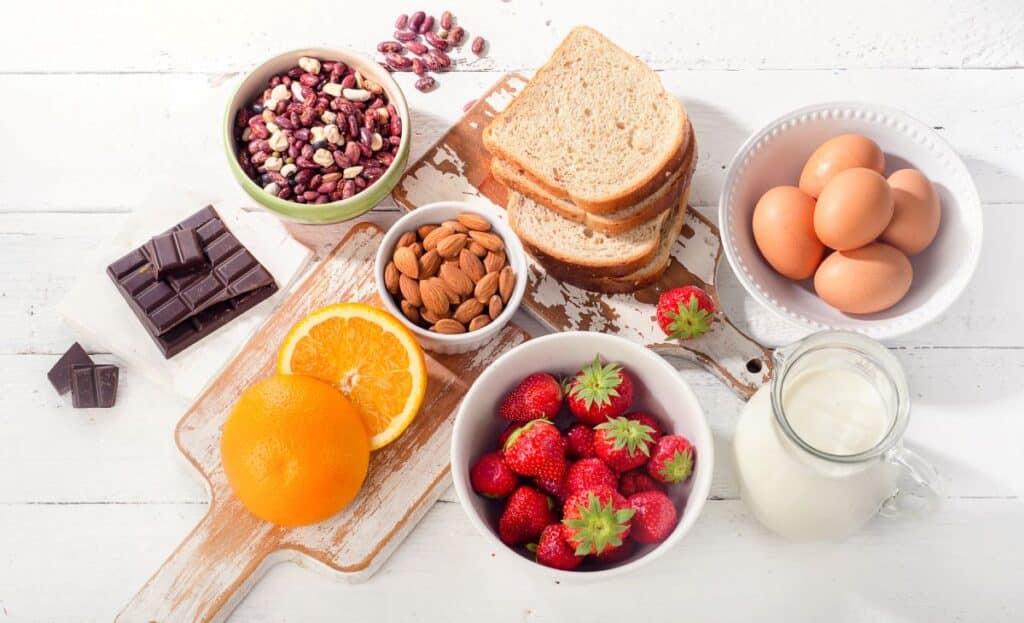
Eat a varied, fibre-rich diet.
Fill your plate with colourful fruits, vegetables, legumes, and whole grains. These feed the “good” gut bacteria that play a role in clearer, healthier skin.
Incorporate probiotics and fermented foods.
Foods like yoghurt, kefir, sauerkraut, kimchi, and kombucha introduce beneficial bacteria that help balance your gut microbiome, and may support skin health too.
Stay hydrated
Water keeps digestion moving smoothly and also maintains skin hydration. Aim to sip water regularly throughout the day rather than all at once.
Manage stress levels
Stress can disrupt gut bacteria and trigger flare-ups on the skin. Mindfulness practices, deep breathing, yoga, or even a daily walk can make a difference.
Cut back on processed foods and sugar.
Too much sugar and heavily processed foods can feed less-helpful bacteria, which may show up as breakouts or dullness in the skin.
Seek professional advice if needed
If digestive issues or skin concerns persist, remember that you’re not alone. Consider checking in with a GP, dermatologist, or nutritionist. Their professional advice can provide the support and guidance you need to make informed decisions about your health.
FAQs on Gut Health and Skin
Q: Can probiotics improve skin health?
A: Probiotics may support both gut and skin health by balancing the microbiome. While results vary, many people report clearer skin after adding them to their diet.
Q: How long does it take to see skin improvements after changing diet?
A: Some people notice changes in a few weeks, but meaningful improvements may take 2–3 months of consistent lifestyle adjustments.
Q: Is acne always linked to gut health?
A: Not always. Acne can have multiple causes, including hormones, stress, and genetics. However, gut imbalances often play a role.
Final Thoughts
When it comes to glowing skin, the products you put on your face are only part of the story. A balanced gut supports better nutrient absorption, lower inflammation, and stronger immunity, all of which show up in your complexion.
By caring for your gut health with nourishing foods, hydration, and mindful living, you’re also nurturing your skin from within.