Hair loss can happen for many reasons, from genetics and hormonal changes to stress, nutrition and ageing. However, the condition of the scalp itself can also play an important role. Certain scalp conditions can interfere with the normal hair-growth cycle, increase shedding or, in some cases, damage the follicles that produce new hair.
When hair loss is linked to a scalp problem, addressing the underlying condition is usually an important part of managing it. At the same time, visible thinning or bald areas can affect how someone feels about their appearance.
Wigs, hair pieces, toppers and other forms of coverage can offer a practical way to manage these changes while the scalp is being treated or while waiting to see whether natural regrowth occurs.
Understanding How Scalp Conditions Can Cause Hair Loss
The connection between scalp health and healthy hair growth
Each hair grows from a follicle located within the skin of the scalp. For healthy hair growth, those follicles need a relatively stable environment. When the scalp becomes inflamed, infected, excessively irritated or damaged, the normal growth cycle can be disrupted.
Some scalp conditions can cause hair loss indirectly. For example, persistent itching may lead to repeated scratching, which in turn can weaken your hair or cause it to break. Other conditions will cause inflammation around the follicles, which can increase shedding. In more serious cases, scarring can permanently damage follicles and prevent hair from growing back.
Temporary hair shedding versus longer-term hair loss
Not all scalp-related hair loss is permanent. When shedding is caused by temporary irritation, inflammation or infection, hair may begin to regrow once the underlying problem has been brought under control. The process can take time because hair grows in cycles rather than continuously.
Other scalp conditions can cause longer-lasting changes. If inflammation destroys a hair follicle and replaces it with scar tissue, regrowth from that follicle may no longer be possible. This is why unexplained, persistent or rapidly progressing hair loss is worth having professionally assessed.
Common Scalp Conditions That Cause Hair Loss
Seborrhoeic dermatitis and an irritated, flaky scalp
Seborrhoeic dermatitis is a common inflammatory condition that can cause redness, itching, greasy scales and dandruff-like flaking. It does not typically destroy the hair follicles, but significant irritation and scratching may contribute to increased shedding or breakage.
Managing the inflammation and keeping the scalp clean without over-stripping it may help create a healthier environment for the hair. People with recurring symptoms may also be advised to use particular shampoos or scalp treatments depending on the cause and severity.
Scalp psoriasis and its effect on hair shedding
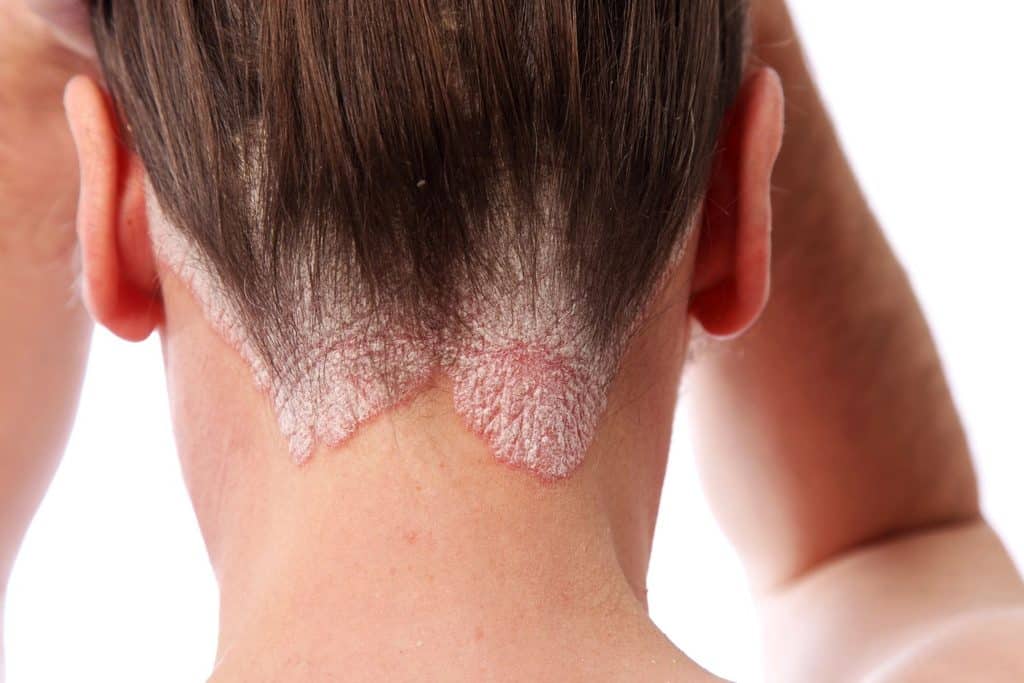
Psoriasis can affect the scalp by producing thick, scaly patches that may extend beyond the hairline. While psoriasis itself does not necessarily cause permanent hair loss, scratching, picking at scales and aggressive attempts to remove them can damage the hair.
Inflammation associated with a flare-up may also contribute to temporary shedding. Once the condition is better controlled and the scalp has settled, the hair may gradually recover, provided the follicles have not been permanently damaged.
Fungal scalp infections such as tinea capitis
Tinea capitis, often known as scalp ringworm, is a fungal infection that can affect the scalp and hair shafts. It may lead to patchy hair loss, scaling, redness or areas where hairs break close to the scalp.
Because fungal scalp infections can spread and may require targeted treatment, professional assessment is important. In many cases, hair growth can resume after the infection has been treated, although the outcome can depend on how severe and prolonged the inflammation has been.
Folliculitis and inflammation around the hair follicles
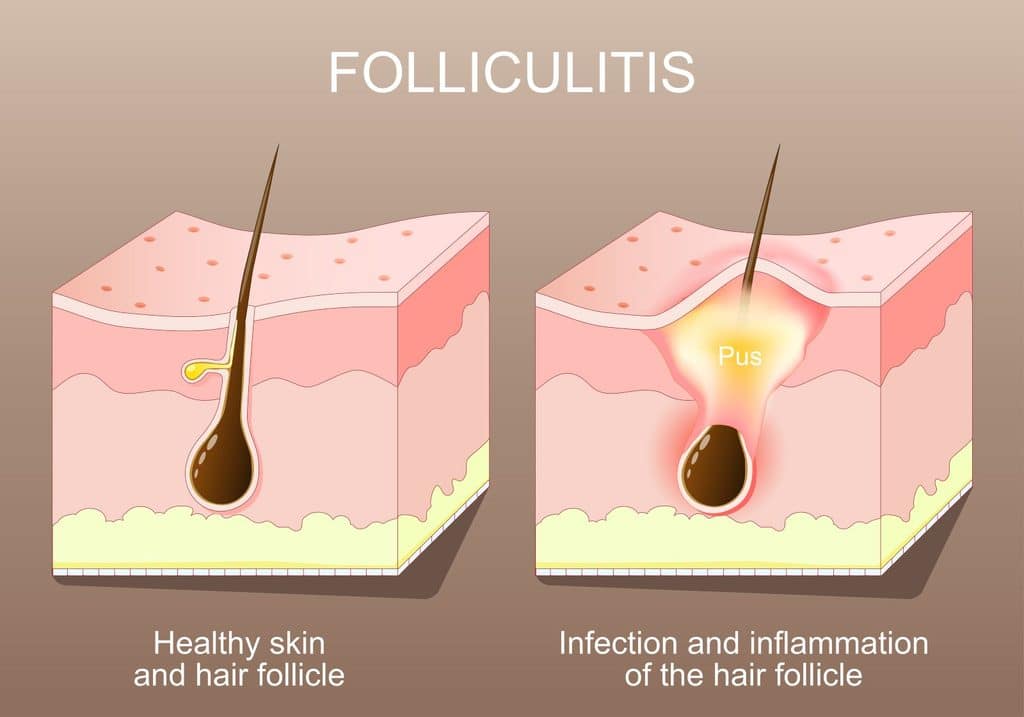
Folliculitis occurs when hair follicles become inflamed, sometimes because of bacteria, fungi, irritation or other underlying causes. It can appear as small red bumps, spots, pustules or tender areas around individual follicles.
Mild cases of folliculitis may settle without causing any lasting effects, but repeated or severe inflammation can interfere with any healthy hair growth. Some forms of folliculitis can also cause scarring, making early identification particularly important when symptoms persist.
Contact dermatitis caused by hair products and treatments
Hair dyes, fragrances, styling products and other chemicals may occasionally trigger an irritant or allergic reaction on the scalp. Contact dermatitis can cause redness, itching, dryness, burning or swelling.
Although contact dermatitis does not usually cause permanent baldness, intense irritation and scratching can lead to temporary shedding or breakage. Avoiding the triggering product and allowing the scalp to recover may help minimise further damage.
Scarring alopecia and damage to hair follicles
Scarring alopecia refers to a group of conditions in which inflammation damages and eventually destroys the hair follicles. The affected follicles are replaced by scar tissue, meaning the hair cannot regrow from those areas.
Symptoms vary depending on the specific condition but can include redness, scaling, tenderness, burning, itching or smooth patches of hair loss.
Because some forms can progress over time, changes such as enlarging bald patches or a noticeably altered scalp surface should be assessed by a qualified healthcare professional.
Signs a Scalp Condition May Be Affecting Your Hair
Itching, redness, flaking and scalp tenderness
Hair loss accompanied by scalp symptoms can provide useful clues about what may be happening. Persistent itching, redness, heavy flaking, soreness, burning or unusual sensitivity may suggest that inflammation or another scalp condition is involved.
Don’t assume every flaky or itchy scalp is simply caused by dandruff. Several different conditions can produce similar symptoms, and treatment approaches may differ depending on the underlying cause.
Increased shedding and noticeable hair thinning
Some people first notice more hairs in the shower, on their pillow or in a hairbrush. Others become aware that their parting looks wider, the crown appears thinner or patches of scalp have become more visible.
Changes that happen suddenly, occur in distinct patches or continue to worsen are particularly worth investigating. Hair loss can have multiple causes, and scalp conditions are only one possibility.
Treating the Scalp Condition Behind Hair Loss
Identifying the underlying cause before choosing treatment
One of the most useful steps in managing scalp-related hair loss is finding out what is causing it. Treatments that help one condition may be ineffective or unsuitable for another, so persistent symptoms should not simply be treated by trial and error.
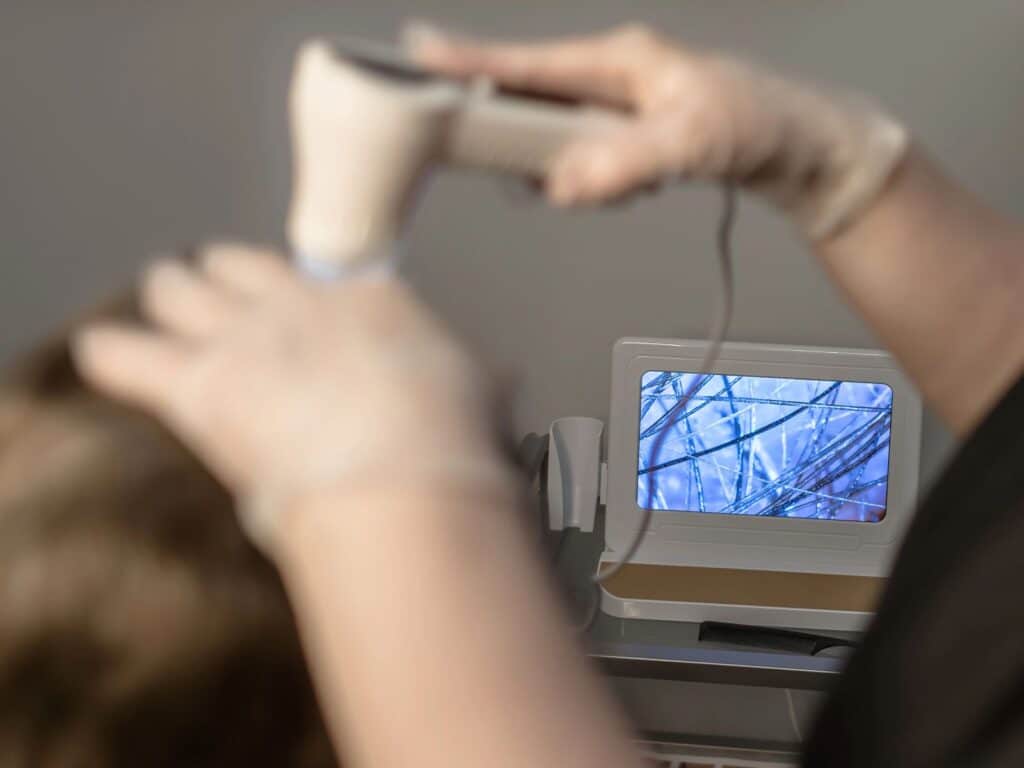
A GP, dermatologist or other appropriately qualified professional may examine the scalp, consider the pattern of hair loss and recommend further investigation where necessary.
Once the underlying problem is identified, treatment can be directed towards controlling inflammation, infection or another contributing factor.
Gentle scalp care and reducing irritation
A sensitive or inflamed scalp often benefits from a gentler routine. Vigorous scrubbing, frequent scratching and aggressive brushing can make irritation worse and may increase breakage.
Washing the hair with comfortably warm rather than very hot water, choosing products that do not aggravate the scalp and handling wet hair carefully can all help reduce unnecessary stress. People experiencing significant irritation may also benefit from temporarily reducing the use of colouring treatments, chemical straighteners and strongly fragranced styling products.
Medicated shampoos and topical treatments
Certain scalp conditions may be managed with medicated shampoos, lotions or other topical treatments. The appropriate option depends on the diagnosis, and some conditions require prescription treatment rather than standard over-the-counter products.
Anyone with substantial hair loss, scalp pain, signs of infection or persistent symptoms should seek individual advice rather than relying solely on cosmetic haircare products.
Everyday Ways to Support Hair and Scalp Health
Choosing gentle shampoos and scalp-friendly hair products
Haircare routines do not need to be complicated, particularly when the scalp is sensitive. A mild shampoo that removes excess oil and product build-up without causing additional irritation may be more suitable than repeatedly using strong cleansing products.
It can also be useful to introduce new products one at a time. This makes it easier to identify whether a particular shampoo, styling treatment or colour product is contributing to irritation.
Reducing tension from tight hairstyles
Hairstyles that repeatedly pull on the roots can place additional strain on hair that is already fragile. Tight ponytails, braids, extensions and other high-tension styles may contribute to breakage or traction-related hair loss when worn frequently.
Looser hairstyles and gentle handling can help minimise unnecessary stress on both the scalp and the hair shaft while a scalp condition is being managed.
Nutrition, general wellbeing and healthy hair growth
Healthy hair growth depends on numerous factors, such as overall health and getting adequate nutrition. A balanced diet that provides sufficient protein, vitamins and minerals supports normal body functions, including the production of new hair.
However, supplements are not a universal solution for hair loss. When shedding is being caused by an inflammatory scalp condition, fungal infection or scarring process, the underlying cause still needs to be addressed.

Coping With Visible Hair Loss While the Scalp Recovers
Using wigs for temporary or longer-term hair loss
Wigs can be a practical option for people experiencing widespread thinning, patchy hair loss or more extensive baldness. They provide immediate coverage and can allow someone to maintain a familiar hairstyle without repeatedly styling or applying heat to fragile natural hair.
Modern wigs are available in a wide variety of colours, lengths, densities and constructions. For someone whose scalp is sensitive, comfort may be just as important as appearance. A lightweight wig with a soft interior can reduce unnecessary pressure and friction, particularly when the scalp is still recovering.
Hair pieces and toppers for thinning areas
Full wigs are not always necessary when it comes to hair loss. Hair toppers and partial hair pieces can add enough coverage where thinning is concentrated, commonly around the crown or parting.
These options can blend with existing hair and may feel less substantial than a full wig. The best choice generally depends on how much natural hair remains, where the thinning is occurring and how sensitive the scalp is. Attachments should be chosen carefully so they do not place excessive tension on weakened hair.
Choosing between synthetic and human-hair wigs
Synthetic and human-hair wigs each have their own practical advantages. For example, synthetic fibres tend to hold their shape well and generally require less day-to-day styling. They may therefore suit people who want a lower-maintenance option.
Human-hair wigs usually provide greater flexibility for styling and can offer a highly natural look and movement. They often require more ongoing care, however, and tend to be more expensive. Rather than assuming one type is always better, it can be more useful to consider comfort, lifestyle, budget and preferred level of maintenance.
Making wigs and hair pieces comfortable for a sensitive scalp
A scalp affected by dermatitis, psoriasis, inflammation or another condition may be more sensitive than usual. When using a wig or hair piece, avoiding excessive friction can help prevent further discomfort.
Soft wig caps, breathable constructions and lightweight pieces may be worth considering. Fit is also important, as something that is excessively tight can create pressure points. If the scalp is particularly sore, inflamed or broken, it may be sensible to seek professional guidance before wearing anything that sits directly against the affected skin.
Scarves, head coverings and alternative styling options
Wigs and toppers are only part of the range of options available. Scarves, turbans, wraps and hats can provide comfortable coverage while requiring very little interaction with the natural hair.
Some people also alternate between different types of coverage for their hair loss, depending on the situation. A wig may be the preferred option for work or social events, while a soft scarf can be easy and might help them feel more comfortable when they’re at home. The aim is to find an approach that supports both scalp comfort and personal confidence.
Can Hair Grow Back After a Scalp Condition?
Why regrowth depends on the cause of hair loss
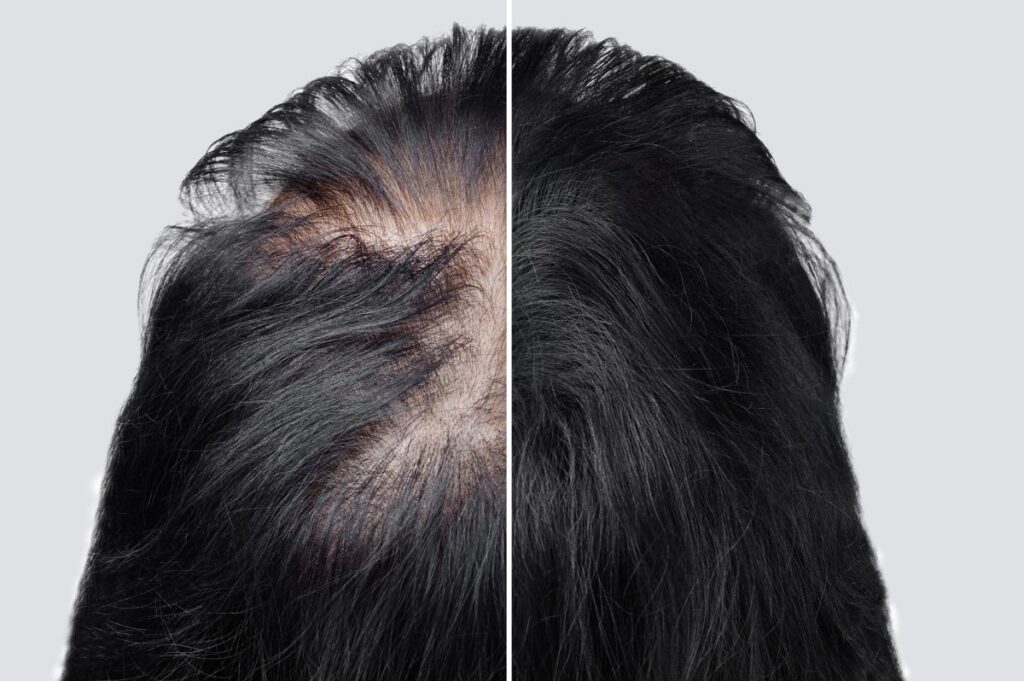
Whether hair grows back depends largely on whether the follicles remain healthy. If a scalp condition has caused temporary inflammation without destroying the follicles, there may be a good possibility of regrowth after the condition has been controlled.
Recovery is rarely immediate. Hair grows gradually, and noticeable changes may take time to appear even after scalp symptoms have improved.
Hair regrowth after temporary inflammation or infection
Hair loss related to conditions such as severe dermatitis, some fungal infections or temporary scalp inflammation may improve once the underlying problem is resolved. The extent of regrowth can vary from person to person.
Being gentle with the scalp during this period is important. Repeated pulling, scratching, chemical processing or high-heat styling may place additional stress on newly growing or weakened hair.
Why scarring conditions can sometimes cause permanent hair loss
When scarring alopecia destroys the follicle, hair cannot normally regrow from that specific follicle. This makes prompt diagnosis particularly important where scarring is suspected.
For people with permanent areas of hair loss, wigs, toppers and hair pieces can become longer-term solutions rather than temporary measures. They can provide reliable coverage without requiring invasive cosmetic procedures.
What to Consider When Hair Loss Starts Affecting Confidence
Hair loss can be physically noticeable long before the underlying cause has been fully identified or treated. It is therefore reasonable to consider cosmetic solutions at the same time as investigating scalp health.
The right option will differ for each person. Someone with mild thinning may be comfortable using a small topper, changing their hairstyle or adding volume through a partial hair piece. Someone with more extensive hair loss may prefer the consistency and coverage of a full wig.
These options do not have to replace efforts to understand the cause of hair loss. Instead, they can work alongside appropriate scalp care and professional assessment. For many people, having control over their appearance can make the period of investigation or regrowth easier to manage.
Key Takeaways About Scalp Conditions and Hair Loss
A range of scalp conditions can contribute to hair thinning, breakage or shedding. Seborrhoeic dermatitis, psoriasis, fungal infections, folliculitis, contact dermatitis and scarring forms of alopecia can all affect the scalp in different ways, which means identifying the underlying cause is an important first step.
Some forms of scalp-related hair loss are temporary and may improve as inflammation or infection settles, while others can result in permanent follicle damage. Persistent, painful, sudden or unexplained hair loss should therefore be assessed by an appropriate healthcare professional.
In the meantime, gentle scalp care and lower-tension hairstyles can help minimise additional stress on fragile hair. Wigs, hair toppers, partial hair pieces, scarves and other head coverings can also provide practical ways to manage visible hair loss.
These options can be useful whether hair loss is temporary or ongoing, allowing individuals to choose a level of coverage that feels comfortable and suits their lifestyle.
Also see our article on Genetic hair loss.