
Allergies are no longer just a seasonal nuisance or a childhood inconvenience. Around the world, more people than ever before are living with allergic conditions, from hay fever and asthma to food intolerances, eczema, and drug sensitivities. This surge has been so dramatic that researchers now describe it as a global allergy epidemic.
But why are allergy rates increasing so rapidly? And what’s changed in our modern world to make allergies so common? Let’s take a closer look at the science, the theories, and the global patterns behind the rise of allergies today.
A Global Allergy Epidemic
According to the World Allergy Organisation, up to 40% of the global population now experiences at least one allergic condition, and in some countries, the figure is even higher. Once thought to be limited mainly to Western nations, allergies are now on the rise across Asia, Africa, and developing regions , showing that this is not just a localised health trend, but a worldwide issue.
For example:
- In Europe, asthma rates have doubled over the past 20 years.
- In China, food allergies among children have increased dramatically, with peanut and shellfish allergies becoming more common.
- In Africa, hay fever and asthma are being reported more frequently in urban populations, mirroring patterns previously seen in Europe and the US.
Clearly, the rise in allergies is not confined to one part of the world, it’s a global health shift that reflects changes in the way we live, eat, and interact with our environment.
Why Are Allergy Rates Increasing?
There’s no single answer to explain the rise in allergies. Instead, researchers believe it’s the result of multiple factors that interact with each other. Here are the leading theories and contributing causes:
The Hygiene Hypothesis
One of the most widely discussed explanations is the hygiene hypothesis, first proposed in the late 20th century. It suggests that modern lifestyles have become “too clean.”
In past generations, children were regularly exposed to bacteria, viruses, and parasites through outdoor play, farming, larger family sizes, and less sanitised environments. These exposures helped train and balance the immune system.
Today, smaller families, urban living, antibiotics, vaccines, and improved sanitation mean that children are less exposed to microbes early in life. As a result, the immune system may overreact to harmless substances such as pollen, pet dander, or certain foods.
Interestingly, studies show that children who grow up on farms, surrounded by animals and soil bacteria, have much lower rates of allergies than those raised in urban environments. This points strongly to the role of early-life microbial exposure.
Environmental Changes and Climate Impact
The environment we live in today is vastly different from 50 years ago, and these changes directly affect allergies:
- Air Pollution: Industrialisation, vehicle emissions, and indoor pollutants contribute to rising rates of asthma and respiratory allergies. Fine particles in polluted air can inflame airways and increase sensitivity to allergens.
- Climate Change: Warmer temperatures are lengthening pollen seasons and increasing pollen production. For example, ragweed pollen seasons in the US have increased by up to 20 days in some areas.
- Urbanisation: City living reduces exposure to natural biodiversity. Urban dwellers are often exposed to higher pollution levels and less green space, both of which are linked to allergy development.
Diet and the Gut Microbiome
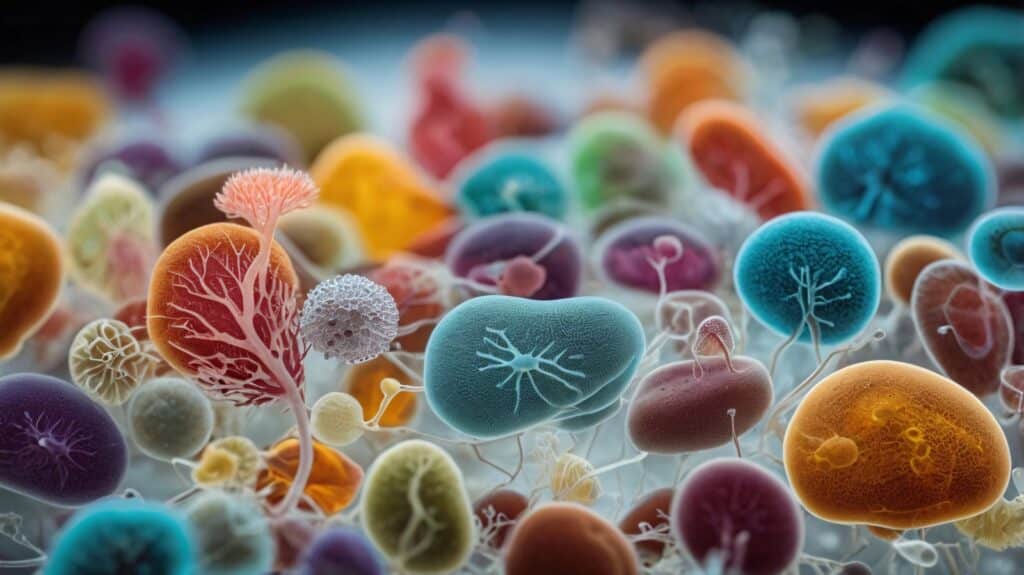
Our diets have undergone significant changes over the past few decades. Traditional, whole-food diets high in fibre have been replaced by highly processed foods, low-fibre meals, and higher sugar intake. This shift has a direct effect on the gut microbiome, the trillions of bacteria living in our digestive system that play a critical role in immune health.
A less diverse gut microbiome has been linked to:
- Food allergies
- Eczema
- Asthma
- Other inflammatory conditions
Emerging research shows that children given a diet rich in fresh fruit, vegetables, and fibre are less likely to develop allergies, compared to those consuming more processed foods. Similarly, early exposure to allergenic foods (such as peanuts or eggs) in infants has been shown to reduce the risk of developing allergies later.
Genetics and Family History
While genetics alone can’t explain the rapid rise in allergies, they do increase risk. If one parent has an allergy, their child has a 30–50% chance of developing one. If both parents are allergic, the likelihood actually rises to 60–80%.
However, genetics don’t change significantly over a few decades. This means that environmental and lifestyle factors are the main triggers behind the sudden surge, with genetics simply setting the stage.
Lifestyle and Indoor Living
Modern lifestyles keep us indoors more than ever before. This has created a perfect storm for allergies:
- Increased exposure to indoor allergens such as dust mites, mould, and pet dander.
- Less time outdoors, reducing exposure to microbes, fresh air, and sunlight (which affects Vitamin D levels, important for immune function).
- Sedentary behaviour, which is linked to obesity and inflammation, further increasing allergy risk.
Increased Awareness and Better Diagnosis
It’s also worth noting that part of the rise in reported allergies may be due to improved awareness and medical diagnostics. In past generations, a child with eczema or hay fever may not have been properly diagnosed. Today, parents and healthcare providers are more vigilant, and allergy testing is widely available.
That said, better awareness alone cannot explain the sharp increases, especially in countries where allergies were previously rare.
The Most Common Allergies in Today’s World
While allergy types vary depending on region and culture, some conditions are becoming increasingly common:
- Respiratory allergies: Hay fever (allergic rhinitis) and asthma
- Food allergies: Peanuts, tree nuts, shellfish, dairy, soy, and eggs
- Skin allergies: Eczema, contact dermatitis, hives
- Drug allergies: Reactions to antibiotics like penicillin and pain relievers
- Insect allergies: Reactions to bee or wasp stings, which can be severe
Food allergies, in particular, have risen sharply in the past 20 years. In countries like Australia and the UK, up to 10% of children now have food allergies, a figure that was far lower in previous generations.

Regional Allergy Trends
Allergies may be global, but their patterns differ by region:
- Western countries: High rates of asthma, hay fever, and food allergies, especially in children.
- Asia: Rapid increase in food allergies, especially in urban areas; peanut and shellfish allergies are common.
- Africa: Allergies are rising in cities, particularly asthma, but remain lower in rural regions.
- Latin America: Urban populations are seeing an increase in asthma and hay fever, linked to pollution and urbanisation.
This variation highlights how lifestyle, diet, and environment influence allergy development.
What Can Be Done About the Allergy Epidemic?
While we may not be able to stop the global rise in allergies entirely, there are steps individuals, families, and societies can take to reduce risk and improve quality of life:
- Encourage outdoor play and exposure to nature from a young age.
- Support gut health with a fibre-rich, whole-food diet.
- Introduce allergenic foods early under medical guidance, rather than delaying exposure.
- Minimise unnecessary antibiotic use, which can disrupt the gut microbiome.
- Improve indoor air quality with ventilation, air filters, and reduced exposure to mould and dust.
- Reduce pollution through public health policies and urban planning.
FAQs on the Rise of Allergies
Q: Why are allergy rates worldwide increasing?
A: Allergies are rising due to factors like modern hygiene practices, environmental changes, diet, and reduced exposure to microbes.
Q: Are food allergies becoming more common?
A: Yes. Food allergies, particularly to peanuts, shellfish, and dairy, are increasing globally, especially among children.
Q: Is climate change linked to allergies?
A: Yes. Climate change extends pollen seasons and increases allergen exposure, worsening seasonal allergies.
Q: Can genetics explain the allergy epidemic?
A: Genetics increases risk, but lifestyle and environmental changes are the main drivers of the recent global rise.
Q: What can help reduce allergy risk?
A: Supporting gut health, spending time outdoors, introducing diverse foods early, and maintaining good indoor air quality may all help.
Final Thoughts
The rise of allergies worldwide is a complex issue with no single cause. Instead, it reflects the intersection of modern lifestyles, environmental changes, genetics, and diet.
What’s clear is that allergies are no longer a niche health concern, they affect hundreds of millions of people across the globe. By understanding why this surge is happening, we can take practical steps to protect future generations, improve treatment, and reduce the overall impact of allergic diseases.