Allergies affect thousands of people across New Zealand, from children experiencing their first reaction to adults dealing with long-term sensitivities. Whether it’s pollen making you sneeze in spring, dairy causing digestive upset, or dust mites triggering asthma, allergies can disrupt daily life and wellbeing. Understanding the different types of allergies, and how they affect Kiwis, can help you manage symptoms and live more comfortably.
Quick Guide: Managing Allergies in New Zealand
- Get tested – Identify your triggers through allergy tests.
- See a GP or specialist – Especially for severe or persistent symptoms.
- Tweak your lifestyle – Eat smart, clean regularly, manage stress, and prioritise sleep.
- Explore natural supports – Local honey, herbal teas, and supplements (always alongside medical advice).
- Stay prepared – Track pollen forecasts, carry medications, and plan ahead for food safety.
What Are Allergies?
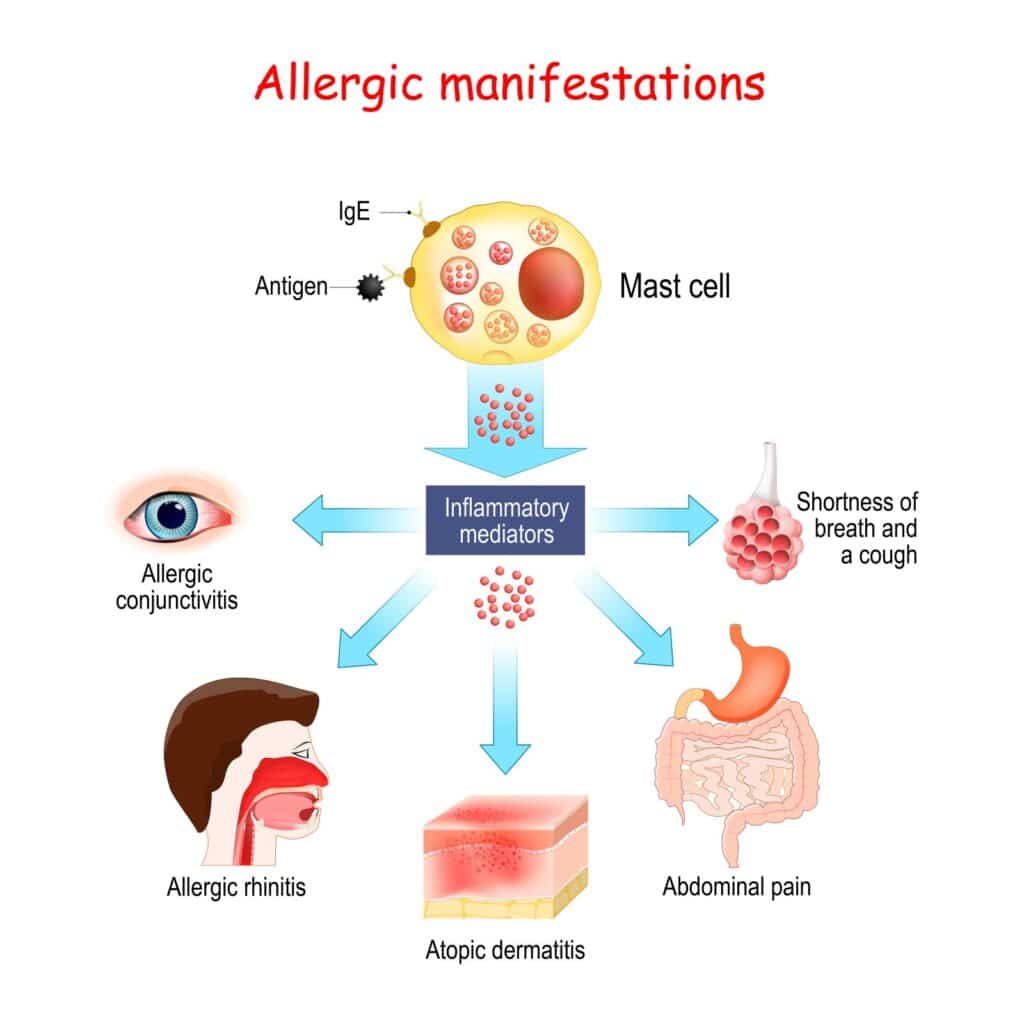
An allergy is your immune system’s overreaction to a substance that is normally harmless, such as pollen, peanuts, or pet dander. When exposed, your body releases chemicals like histamine, leading to symptoms such as sneezing, watery eyes, rashes, or swelling. In New Zealand, allergies are common, with global rates continuing to rise in both children and adults.
Food Allergies
Food allergies are among the most serious types of allergies because they can cause reactions ranging from mild discomfort to life-threatening emergencies. In New Zealand, food allergies are increasingly common, particularly in children, though many adults are affected as well.

Common Food Allergens in New Zealand
The most frequent food allergens reported in New Zealand include:
- Dairy products – such as milk, cheese, and yoghurt
- Eggs
- Peanuts and tree nuts – including almonds, cashews, and walnuts
- Shellfish and fish – especially prawns, mussels, and snapper
- Soy
- Wheat and gluten-containing foods
Allergies vs. Intolerances
It’s important to understand the difference between a food allergy and a food intolerance:
A food intolerance may cause symptoms such as bloating, digestive upset, or discomfort, but it does not involve the immune system.
A food allergy, on the other hand, triggers an immune response. This can result in hives, swelling of the lips or face, itching, difficulty breathing, or, in severe cases, anaphylaxis, which is a medical emergency.
Managing Food Allergies in Everyday Life
Living with a food allergy in New Zealand requires extra care and planning, but many people manage successfully by taking the following steps:
- Reading labels carefully – Packaged foods in NZ are legally required to list common allergens. Always double-check ingredients, especially with imported goods.
- Dining out safely – Inform restaurant staff about your allergies and ask how food is prepared to avoid cross-contamination.
- Carrying emergency medication – For anyone at risk of severe reactions, having an adrenaline auto-injector (like an EpiPen) on hand and ensuring family, friends, or colleagues know how to use it is vital.
- Having an emergency plan – Knowing the signs of an allergic reaction and acting quickly (such as calling 111 in New Zealand) can save lives.
- Communicating with schools and workplaces – Many New Zealand schools already have “nut-free” policies in place to protect children with severe allergies. Parents and caregivers should work with teachers to create clear safety guidelines, while adults should also let employers or colleagues know if they are at risk.
A Note of Caution
This information is designed for general wellness purposes only. It is not medical advice. If you suspect you or someone you know has a food allergy, it’s important to seek professional guidance from a doctor or allergy specialist.
Food Allergy FAQs in New Zealand
Are food allergies common in New Zealand?
Yes. Studies show that food allergies are increasing worldwide, and New Zealand is no exception. Peanut, egg, and dairy allergies are particularly common in Kiwi children, while seafood allergies often affect adults.
Can you outgrow food allergies?
Some children may outgrow allergies to foods like milk or eggs, but allergies to peanuts, tree nuts, and shellfish are less likely to disappear. Always confirm changes with an allergy specialist before reintroducing foods.
What should I do if I think I have a food allergy?
If you experience symptoms such as swelling, hives, or breathing difficulties after eating certain foods, seek medical advice immediately. A GP may refer you for allergy testing to confirm triggers. In the case of severe reactions, dial 111 straight away.
What’s the difference between a food allergy and food intolerance?
A food intolerance usually causes digestive issues like bloating or cramps and does not involve the immune system. A food allergy is an immune response and can be life-threatening.
How do New Zealand schools manage food allergies?
Many Kiwi schools have “nut-free” or “allergen-aware” policies to protect students with severe allergies. Parents are encouraged to work with schools to create personalised management plans.
Seasonal Allergies
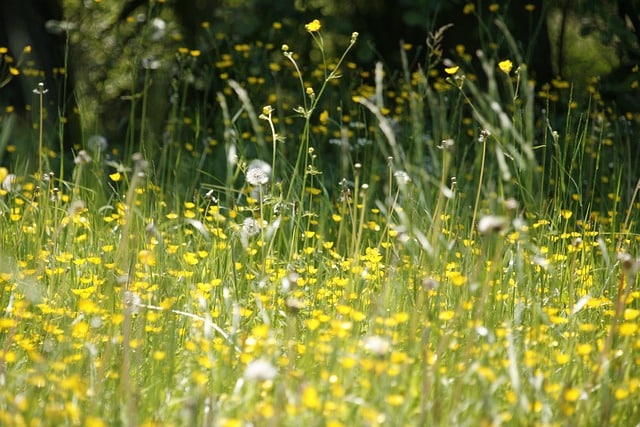
Seasonal allergies, commonly known as hay fever, are a major concern for many New Zealanders. They occur when your immune system reacts to pollen and other airborne allergens, most commonly during spring and summer when plants release pollen into the air.
Why Seasonal Allergies Are Common in New Zealand
New Zealand’s climate and environment contribute to higher pollen counts than in many other countries. With long growing seasons, mild winters, and widespread pasture grasses, pollen levels can remain high for months at a time. Ryegrass pollen is one of the biggest culprits, especially in regions like Canterbury and Waikato, where farming and grass growth are abundant.
Typical Symptoms of Seasonal Allergies
Hay fever symptoms can range from mild to severe and may interfere with sleep, work, or school. Common symptoms include:
- Frequent sneezing and a runny or blocked nose
- Itchy or watery eyes
- Scratchy throat or ears
- Sinus pressure and headaches
- Fatigue and irritability (often from disrupted sleep)
For some people, hay fever also triggers asthma symptoms such as coughing, wheezing, and shortness of breath, making management even more important.
Managing Seasonal Allergies in New Zealand
Although seasonal allergies can’t always be prevented, there are several practical steps to reduce exposure and improve comfort:
- Track pollen counts – Websites and apps provide daily pollen forecasts for New Zealand. Staying indoors when counts are high can help minimise symptoms.
- Limit exposure outdoors – On dry, windy days, pollen is especially high. Wearing sunglasses and showering after being outside can prevent pollen from lingering on skin and hair.
- Keep your home pollen-free – Close windows on high-pollen days, use an air purifier, and wash your bedding regularly.
- Garden smart – Choose low-allergen plants for your backyard. Many councils and gardening centres in NZ offer advice on allergy-friendly planting.
- Medication support – Over-the-counter antihistamines and nasal sprays are commonly used in New Zealand to manage hay fever symptoms. A GP can also recommend other options if symptoms are severe.
Seasonal Allergy Survival Guide – New Zealand Edition
- Track pollen counts – Check local forecasts via apps or NZ-based websites to plan outdoor activities.
- Keep pollen out – Close windows on high-pollen days, use air purifiers, and shower after spending time outdoors.
- Protect your eyes – Wear sunglasses outside to reduce irritation from pollen.
- Choose allergy-friendly plants – Opt for low-pollen species in your garden; local nurseries often have advice.
- Clean your home regularly – Wash bedding weekly, vacuum with HEPA filters, and minimise dust-collecting clutter.
- Medication support – Over-the-counter antihistamines or nasal sprays can help; consult a GP if symptoms persist.
- Plan outdoor activities carefully – Morning and evening are usually peak pollen times; windy days increase exposure.
- Seek professional advice – If symptoms affect sleep, work, school, or trigger asthma, see a GP or allergy specialist.
The Impact of Climate and Environment
Climate change is increasing pollen production and extending the allergy season in New Zealand. Warmer temperatures and higher carbon dioxide levels encourage plants to produce more pollen, which means some people are finding their hay fever symptoms last longer each year.
A Note of Caution
This section is intended for general wellness information only. If your hay fever or asthma symptoms are persistent or worsening, it’s important to speak to a GP or allergy specialist for tailored advice.
Environmental Allergies
Environmental allergies occur when your immune system reacts to substances in your surroundings, rather than food or pollen. These allergies are common in New Zealand and can affect people of all ages. Triggers may include household dust, mould, pet dander, or even certain chemicals.
Common Environmental Allergens in New Zealand
- Dust mites – Microscopic creatures living in bedding, carpets, and upholstery. They thrive in humid areas, which can be an issue in regions like Auckland and Wellington.
- Mould spores – Found in damp or poorly ventilated homes, bathrooms, and basements. Kiwi homes with high humidity or leaks are especially prone.
- Animal dander – Flakes of skin, hair, or feathers from pets such as cats, dogs, and birds.
- Chemical sensitivities – Reactions to strong fragrances, cleaning products, or household chemicals.
Environmental allergies often overlap with asthma, making symptom management essential for maintaining overall wellness.
Managing Environmental Allergies in New Zealand
While it’s difficult to eliminate environmental triggers completely, there are practical ways to reduce exposure and support wellbeing:
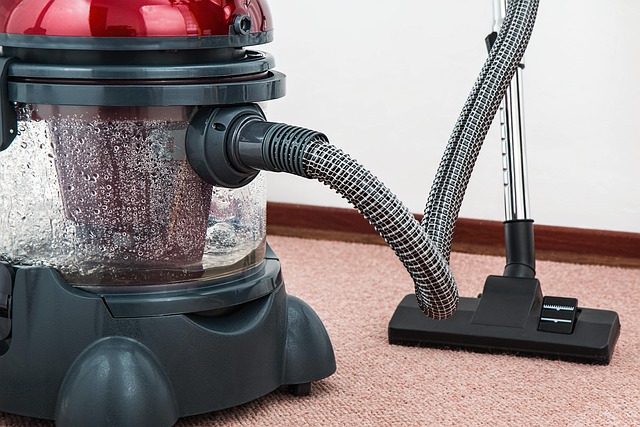
- Keep your home clean – Vacuum regularly with a HEPA-filter vacuum, dust surfaces with a damp cloth, and wash bedding weekly in hot water.
- Reduce humidity – Use dehumidifiers or air conditioning in damp areas to limit dust mites and mould growth.
- Improve ventilation – Ensure kitchens, bathrooms, and living spaces are well ventilated to prevent mould and stagnant air.
- Pet care – Bathe pets regularly and keep them out of bedrooms if dander triggers symptoms.
- Choose gentle cleaning products – Avoid harsh chemicals and fragrances that may provoke sensitivities.
- Monitor indoor air quality – Air purifiers with HEPA filters can help reduce airborne allergens, especially in cities like Auckland and Wellington, which have higher urban pollution levels.
A Note of Caution
This information is intended for general wellness purposes only. If environmental allergies are causing persistent symptoms or triggering asthma attacks, it’s important to consult a GP or allergy specialist for personalised advice.
Environmental Allergy Management Guide – New Zealand Edition
- Regular cleaning – Dust, vacuum with HEPA filters, and wash bedding weekly.
- Control humidity – Use dehumidifiers or air conditioning to limit dust mites and mould.
- Ventilate your home – Open windows when pollen counts are low and keep bathrooms and kitchens well ventilated.
- Manage pet exposure – Bathe pets regularly; keep them out of bedrooms if necessary.
- Use gentle cleaning products – Avoid strong fragrances or harsh chemicals that can trigger reactions.
- Consider indoor plants carefully – Some plants may produce mould or pollen; choose low-allergen varieties.
- Seek professional advice – Persistent or severe symptoms should be evaluated by a GP or allergy specialist.

Supporting Allergy Wellness in New Zealand
While allergies can’t always be cured, there are many ways to manage symptoms and improve your overall well-being. The right approach will depend on whether your triggers are food-related, seasonal, or environmental; however, taking a proactive stance can make a significant difference.
Get Tested
If you’re not sure what’s causing your reactions, allergy testing is a good first step. In New Zealand, your GP may refer you to a specialist or arrange skin-prick or blood tests to identify allergens. Knowing whether you’re reacting to dust mites, pollen, or specific foods can help you make targeted lifestyle changes rather than guessing.
See a GP or Specialist
For moderate to severe allergies, professional medical guidance is essential. Your doctor may prescribe antihistamines or nasal sprays, or, in the case of food allergies, recommend carrying an adrenaline auto-injector (EpiPen). Allergy specialists in NZ can also advise on immunotherapy (allergy shots or drops), which helps retrain your immune system over time.
Try Lifestyle Changes
Simple daily habits can help reduce exposure to allergens and ease symptoms:
- Diet adjustments – If you have food allergies, read labels carefully and learn safe substitutions. For intolerances, keeping a food diary can help identify problem foods.
- Maintain a clean environment – Wash bedding weekly in hot water, vacuum with HEPA filters, and minimise indoor clutter that collects dust.
- Stress management – High stress levels can worsen allergy symptoms. Yoga or pilates, meditation, or regular exercise may help regulate your immune system.
- Sleep and rest – A well-rested body is better equipped to handle inflammation and allergic reactions.
Consider Natural Supports
Many Kiwis explore natural wellness options alongside medical care:
- Local honey – Thought to help some hay fever sufferers by exposing them to small amounts of local pollen.
- Herbal teas – Peppermint, nettle, or chamomile teas may soothe symptoms such as congestion or throat irritation.
- Supplements – Vitamin C, quercetin, and probiotics are sometimes used to support immune balance, though results vary.
- Always remember: natural remedies are best used as supportive measures and should not replace prescribed treatments.
Stay Informed and Prepared
Allergy triggers can shift over time, especially with changing weather patterns in New Zealand. Keeping up with pollen forecasts, planning ahead when dining out with food allergies, and having medications on hand during peak seasons ensures you stay in control rather than reactive.
Final Thoughts
Allergies, whether food, seasonal, or environmental, are a reality for many New Zealanders. Understanding your triggers and taking steps to manage them can significantly improve your quality of life. From avoiding certain foods to preparing for hay fever season, small changes can make everyday wellness more achievable.
If you suspect you have allergies, seek advice from a healthcare professional and explore ways to create a lifestyle that supports your health. With the right approach, living well with allergies in New Zealand is absolutely possible.