
Have you ever noticed how digestive issues seem to coincide with hormonal symptoms? Perhaps bloating appears just before your period, or stress triggers both stomach problems and mood swings simultaneously. There’s actually a compelling scientific connection between your digestive system and hormones that explains why these symptoms often appear together.
If you’re experiencing persistent bloating, afternoon energy crashes, or unpredictable mood changes, the answer might lie in understanding how your gut and hormones communicate. When digestion functions optimally, it can significantly support hormonal balance, and recognising this connection opens up practical approaches to feeling more balanced overall.
How Your Gut and Hormones Communicate
Your Gut as a Communication Hub
Your digestive system houses trillions of microorganisms – bacteria, fungi, and other microbes collectively known as your gut microbiome. This complex ecosystem does far more than process food; it actively communicates with your brain, immune system, and hormone-producing organs throughout your body.
When beneficial bacteria like Lactobacillus thrive, they produce vitamins, support immune function, and create compounds that influence mood and wellbeing. However, when harmful bacteria outnumber the helpful ones, this imbalance can trigger inflammation and disrupt the delicate communication between your gut and hormonal systems.
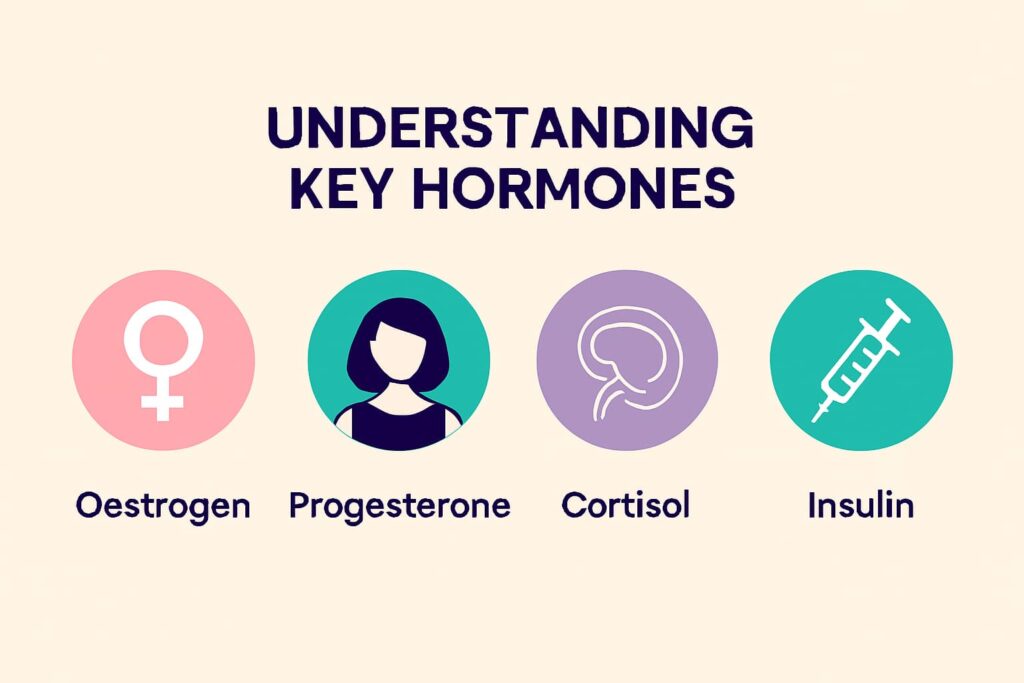
Understanding Key Hormones
Several hormones play crucial roles in women’s health and can be significantly influenced by gut health:
- Oestrogen regulates your menstrual cycle and influences mood, skin health, and how your body stores fat
- Progesterone works alongside oestrogen to maintain cycle regularity and supports restful sleep
- Cortisol manages your stress response but can cause widespread disruption when chronically elevated
- Insulin controls blood sugar levels but can interfere with other hormones when consistently overworked
The Estrobolome: Your Gut’s Hormone Regulator
Within your gut microbiome exists a specialised collection of bacteria called the estrobolome. These bacteria produce enzymes that help determine how much oestrogen circulates in your body versus how much gets eliminated through waste.
When your gut bacteria are diverse and balanced, oestrogen levels tend to remain optimal. However, bacterial imbalances can lead to either excessive oestrogen elimination or inadequate clearance, both of which can contribute to symptoms like irregular periods, severe PMS, mood fluctuations, and menopausal difficulties.
Signs Your Gut and Hormones Are Out of Balance
Digestive Warning Signs
Persistent digestive symptoms often indicate deeper imbalances beyond simple food sensitivities. Pay attention to chronic bloating that seems unrelated to specific foods, alternating between constipation and loose stools, frequent heartburn, or the sensation that food sits heavily in your stomach long after eating.
These symptoms suggest that gut bacteria may be imbalanced, inflammation levels are elevated, or your digestive system isn’t effectively processing and eliminating waste products, including hormones that need to be cleared from your body.
Hormonal Indicators
Hormonal imbalances frequently manifest as irregular menstrual cycles, severe PMS symptoms including mood swings and painful cramping, persistent adult acne, or unexplained weight changes, particularly around the midsection.
Many women address these symptoms individually – taking pain relief for cramps, using skincare products for acne, or trying restrictive diets for weight management. While these approaches may provide temporary relief, they often miss the underlying gut-hormone connection driving the symptoms.
The Stress-Gut-Hormone Cycle
Chronic stress creates a particularly problematic cycle. Stress prioritises cortisol production, which slows digestion and alters gut bacteria composition. Poor digestion then leads to inflammation and nutrient malabsorption, further disrupting hormone production. This hormonal disruption often increases anxiety, affects sleep quality, and triggers cravings for processed foods that feed harmful gut bacteria.
This explains why stressful periods often coincide with both digestive problems and hormonal symptoms, and why comprehensive burnout frequently includes significant gut health issues.
Practical Strategies for Better Gut-Hormone Balance
Prioritise Fibre-Rich Foods
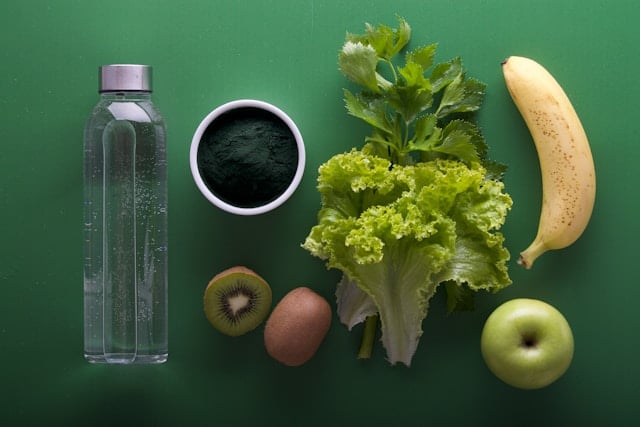
Fibre serves as fuel for beneficial gut bacteria while also binding to used hormones in the digestive tract, supporting proper elimination rather than reabsorption. Increasing fibre intake doesn’t require dramatic dietary changes – focus on simple substitutions like choosing brown rice over white, adding legumes to soups and salads, eating fruit with the skin on, and including vegetables in meals wherever possible.
Variety matters because different types of fibre feed different beneficial bacteria, so diverse plant foods translate to a more diverse and resilient microbiome.
Incorporate Fermented Foods
Fermented foods provide beneficial bacteria directly to your gut while supplying additional compounds that support digestive health:
- Natural yoghurt with live cultures
- Kefir • Sauerkraut and kimchi
- Miso
- Kombucha (choose lower-sugar varieties)
While probiotic supplements can be helpful in certain situations, food-based sources generally provide more comprehensive benefits due to their additional nutrients and naturally occurring compounds.
Maintain Stable Blood Sugar
Blood sugar stability is crucial for hormonal balance, particularly for managing cortisol and insulin levels. When blood sugar fluctuates dramatically throughout the day, it creates stress on your hormonal system and can disrupt menstrual cycle regularity and mood stability.
Focus on meals that combine protein, healthy fats, and fibre-rich carbohydrates. Examples include Greek yoghurt with berries and nuts, salads with protein and avocado, or grilled fish with roasted vegetables and quinoa. These combinations slow glucose absorption and provide sustained energy.
Stay Hydrated and Move Regularly
Adequate hydration supports every aspect of digestion, from nutrient transport to hormone circulation throughout the body. Aim for pale yellow urine as a general hydration guide.
Regular, moderate movement supports both digestive function and hormone balance. Walking after meals aids digestion, while activities like yoga can help manage cortisol levels and activate the parasympathetic nervous system, which governs rest and digestive functions.

Smart Lifestyle Approaches
Manage Stress Effectively
Since chronic stress directly impacts both gut bacteria and hormone production, stress management becomes essential for supporting both systems. This doesn’t require extensive time commitments – even short practices like deep breathing exercises, brief walks outdoors, or listening to calming music can help activate your body’s rest and digest response.
Consistency proves more beneficial than intensity, so regular small practices often create more lasting improvements than sporadic intensive efforts.
Prioritise Quality Sleep
Poor sleep disrupts gut bacteria composition and throws multiple hormones off balance, including cortisol, insulin, and reproductive hormones. Your gut bacteria actually follow circadian rhythms, so irregular sleep patterns directly impact digestive health.
Support your natural sleep-wake cycle by maintaining consistent bedtimes, limiting screen exposure before bed, and creating a calm sleep environment. Even modest improvements in sleep quality can lead to noticeable changes in both digestive and hormonal symptoms.
Be Mindful of Gut Disruptors
While perfection isn’t necessary, awareness of factors that significantly disrupt gut bacteria helps inform better choices:
- Highly processed foods
- Excessive alcohol consumption
- Unnecessary antibiotic use
- Artificial sweeteners
This doesn’t mean complete elimination, but rather mindful consumption and taking steps to support gut health when exposure occurs – such as consuming fermented foods during antibiotic treatment or ensuring adequate fibre intake when processed foods are part of your diet.
When Professional Help Is Needed
Recognising Serious Symptoms
While many gut and hormone issues respond well to lifestyle modifications, certain situations warrant professional evaluation. Persistent abdominal pain, consistently irregular or absent periods, unexplained significant fatigue, or symptoms that worsen despite healthy lifestyle changes all deserve medical attention.
These could indicate underlying conditions such as small intestinal bacterial overgrowth, thyroid disorders, polycystic ovary syndrome, or other hormonal imbalances that benefit from specific medical treatment.
Healthcare Team Options
Your GP provides an excellent starting point for evaluation and can order hormone panels and assess for common conditions. Women’s health specialists offer additional expertise in complex hormonal issues, while registered dietitians can provide personalised nutrition strategies for supporting both gut and hormone health.
Some practitioners utilise specialised testing such as comprehensive stool analysis or detailed hormone panels. These tests can provide valuable information when interpreted by qualified healthcare providers who can translate results into actionable treatment plans.
Moving Forward
The connection between gut health and hormones represents a powerful opportunity to address multiple symptoms through integrated approaches. Rather than treating digestive issues and hormonal symptoms as separate problems, understanding their interconnection allows for more effective strategies.
Small, consistent changes often create the most sustainable improvements. Adding fibre-rich foods to existing meals, incorporating gentle movement into daily routines, managing stress through simple practices, and prioritising sleep quality can all contribute to better gut-hormone balance over time.
When digestive function is optimised, it naturally supports hormonal balance, leading to more stable energy levels, improved mood regulation, and enhanced overall wellbeing. The goal isn’t perfection but creating conditions that allow both systems to work harmoniously, supporting you through all stages of life.
While we’ve touched on how hormones can effect our gut health, women with PCOS face additional challenges with insulin resistance that can make symptoms worse. Discover the connection between PCOS and insulin resistance and practical strategies to help manage both.