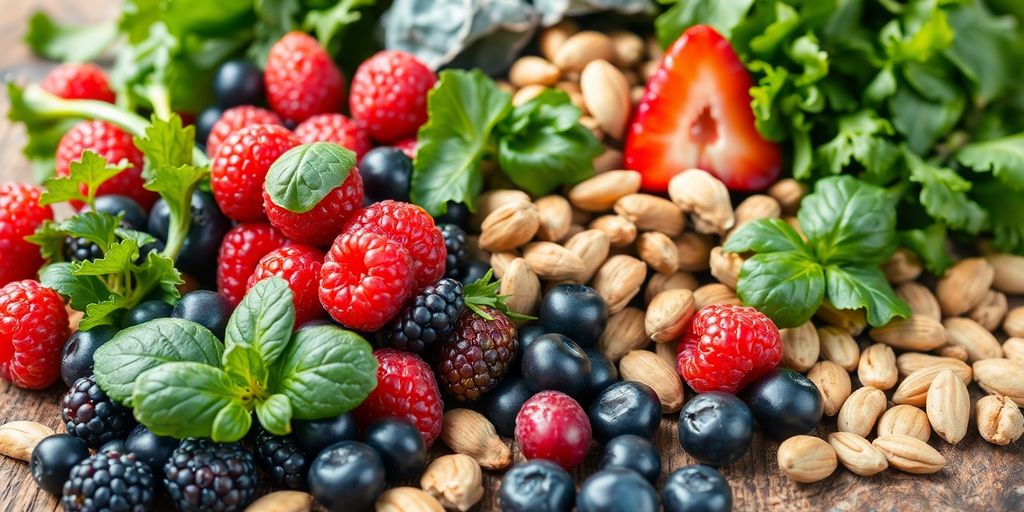
You’ve likely heard the term “superfoods” thrown around quite a bit. It seems like every week there’s a new exotic fruit or seed claiming to be the next big thing. But honestly, you don’t need to travel to the ends of the earth or spend a fortune to find foods packed with nutrients.
Many of the best superfoods New Zealand has to offer are right there at your local market. These are foods that simply offer more goodness for their calories than most common options. So, let’s look at some everyday heroes you can easily find and incorporate into your diet.
Key Takeaways
- Focus on nutrient-dense foods readily available at local markets rather than expensive exotic options
- Superfoods are defined by their high nutrient content per calorie, not marketing hype
- You don’t need expensive or exotic items to benefit from superfood nutrition
- Incorporate a variety of these foods for optimal health benefits and balanced nutrition
- Local markets offer excellent superfood choices that support both your health and local economy
1. Avocados
Avocados are a truly remarkable fruit, packed with nutrients that support your well-being. Beyond their creamy texture and rich flavour, they offer monounsaturated fats beneficial for heart health, plus dietary fibre that aids digestion and helps you feel fuller for longer.
Selecting and Using
When choosing an avocado, look for one that yields gently to pressure. Avoid those that are too soft or have dark bruises. If too hard, ripen at room temperature for a few days, then refrigerate once ready.
Avocados are incredibly versatile. Slice them into salads, mash for toast, blend into smoothies, add to sandwiches, or use in dips like guacamole. Their mild flavour complements a wide range of dishes, making them a beneficial part of a balanced diet.
2. Berries
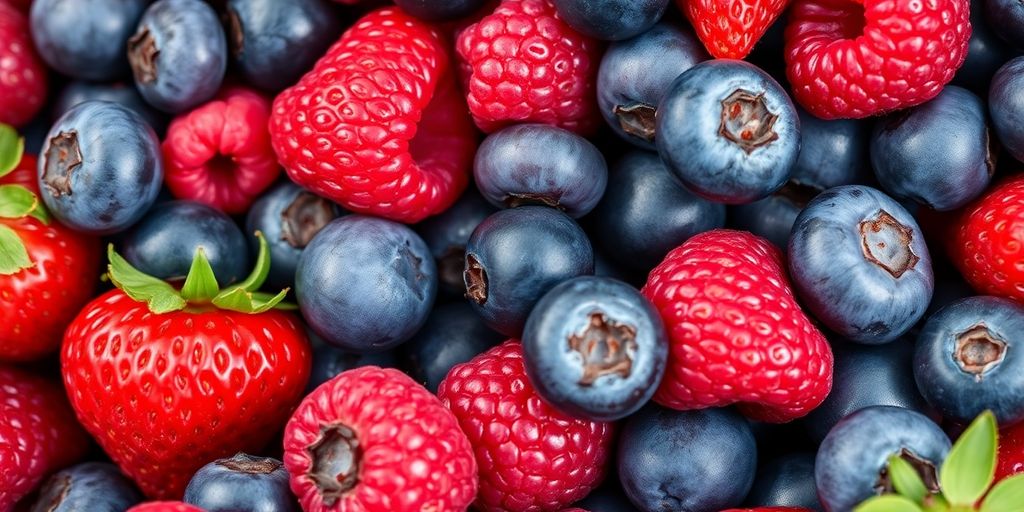
Berries are a fantastic addition to any diet, offering a delightful burst of flavour alongside a wealth of nutrients. You’ll find a variety of these small fruits available fresh during warmer months, and preserved through freezing for year-round enjoyment. Their vibrant colours are a good indicator of the potent antioxidants they contain, which are known to combat cell damage in the body.
Antioxidant Powerhouses
Berries are particularly celebrated for their high antioxidant content. These compounds, such as anthocyanins which give blueberries their deep hue, are thought to play a role in protecting against various chronic diseases. Incorporating a mix of berries into your diet can contribute to overall well-being.
Nutritional Breakdown
While specific values vary between types, berries generally provide a good source of dietary fibre, vitamin C, and manganese. Fibre aids in digestion and can help you feel fuller for longer, while vitamin C supports your immune system. You can easily add them to your morning yogurt or cereal for a nutritious start to the day.
Versatile Culinary Uses
Their versatility in the kitchen is another reason to embrace berries. They can be enjoyed fresh, added to smoothies, baked into desserts, or even used in savoury dishes. Consider making a simple berry compote to serve with your breakfast or as a topping for pancakes.
Berries offer a simple yet effective way to boost your intake of beneficial plant compounds and vitamins, making them a truly valuable component of a balanced diet.
3. Dark Greens
You’ll find a wealth of goodness packed into dark leafy greens. These vibrant vegetables are powerhouses of nutrition, offering a broad spectrum of vitamins, minerals, and beneficial plant compounds. They are remarkably versatile, fitting into almost any meal you can think of.
Key Nutrients in Dark Greens
Dark greens are rich in Vitamin A (essential for vision and immune function), Vitamin C (antioxidant for tissue repair), and Vitamin K (important for blood clotting and bone health). They provide minerals like magnesium (vital for muscle and nerve function) and iron (necessary for oxygen transport), plus dietary fibre for digestion and fullness.
Popular Market Choices
Spinach: Mild flavour, excellent raw in salads or cooked in dishes.
Kale: Robust green that can be massaged for salads or cooked in soups and stews.
Swiss Chard: Colourful stems and tender leaves add visual appeal and nutrition.
Arugula: Peppery bite, fantastic in salads and sandwiches.
Collard Greens: Sturdy greens perfect for braising or stewing.
Incorporating Dark Greens into Your Diet
Adding dark greens to your meals is straightforward. You can blend them into smoothies for a nutrient boost, use them as a base for salads, or sauté them as a side dish. They also work well in soups, stews, omelettes, and even as wraps instead of tortillas. If you’re on a budget or short on time, consider purchasing frozen dark greens, which retain most of their nutritional value and are convenient to use.
Choosing organic dark greens is often recommended due to their susceptibility to pesticide residue. However, if organic options are not feasible, thoroughly washing conventional greens can help reduce any potential contaminants.
4. Eggs
Eggs are a remarkable food that offers a wealth of nutrients. The true power of an egg lies within its entirety, particularly the yolk. Discarding the yolk means missing out on vital fat-soluble vitamins, choline, selenium, and healthy fats. When selecting eggs, opting for free-range, organic sources can provide a better nutritional profile.
Nutritional Breakdown
Eggs are a compact source of essential nutrients. A single large egg provides around 6 grams of protein with all essential amino acids, good amounts of Vitamin D, B12, riboflavin, and folate, plus minerals like selenium, phosphorus, and iodine. You’ll also get healthy monounsaturated and polyunsaturated fats, including omega-3s in some cases.
Versatile Preparation
Their adaptability makes them suitable for any meal. Try them scrambled with vegetables, boiled for convenient meal prep, fried with healthy fats, or as omelettes filled with other nutrient-dense ingredients.
Eggs are often the most beneficial foods that are readily available to us. Their nutritional density, affordability, and ease of preparation makes them an excellent choice for improving your diet.
5. Almonds
Almonds are a truly remarkable food, packed with nutrients that can support your overall well-being. You’ll find them available at most markets, often in their natural state or as smooth almond butter. When selecting almonds, it’s generally advisable to opt for organic varieties, as conventional almonds can sometimes be treated with more pesticides.
Nutritional Profile
Almonds offer a good source of protein, magnesium, and fibre. They also provide essential minerals like zinc and iron, along with various B vitamins. For those concerned about calcium intake, almonds are a notable plant-based source.
Health Benefits
These nuts are particularly recognised for their contribution to heart health. The combination of healthy fats, fibre, and plant sterols found in almonds can help manage cholesterol levels. Furthermore, their magnesium content is beneficial for blood pressure regulation.
Culinary Uses
Almonds are incredibly versatile in the kitchen. You can enjoy them as a convenient snack, either whole or chopped. Almond butter is excellent spread on toast or added to smoothies for a creamy texture and nutritional boost. They can also be incorporated into baked goods, sprinkled over salads, or used to make homemade granola.
Almonds provide a satisfying crunch and a wealth of nutrients, making them a smart addition to a balanced diet. Their ability to keep you feeling full can also be helpful when managing appetite.
How to Choose and Store
When purchasing almonds, look for those that are fresh and free from rancid odours. Store them in an airtight container in a cool, dark place, or for longer storage, keep them in the refrigerator or freezer to maintain their quality and prevent them from going off.
6. Oranges
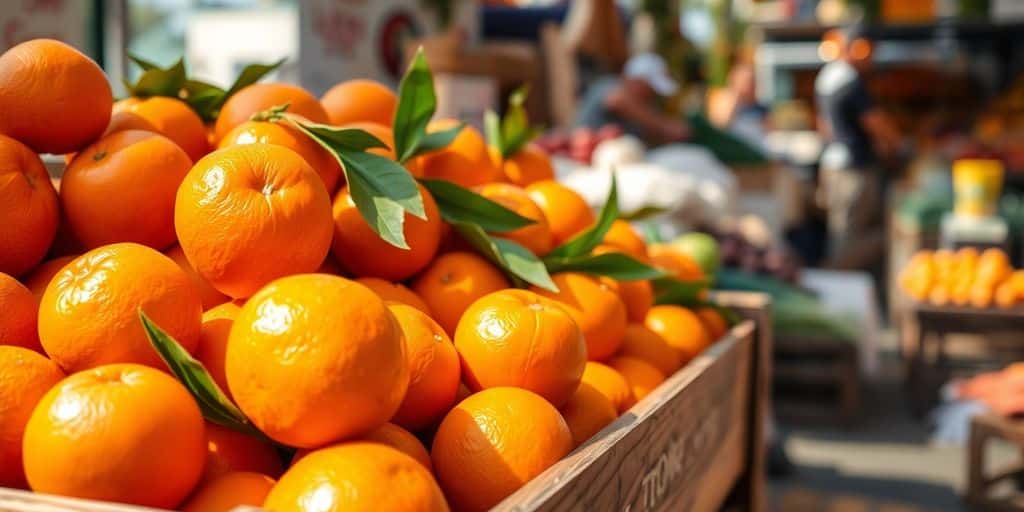
When you think of readily available, healthy produce, it’s hard to overlook the humble orange. These citrus fruits are a powerhouse of nutrients, most notably their high vitamin C content, which is well-known for supporting your immune system. Beyond that, oranges also provide a good amount of dietary fibre, which aids in maintaining good digestive health and can contribute to a feeling of fullness.
Vitamin C Content
Oranges are a fantastic source of vitamin C. A single medium-sized orange can provide a significant portion of your daily recommended intake. This vitamin is an antioxidant, helping to protect your cells from damage. It also plays a role in iron absorption, making it beneficial to consume oranges alongside iron-rich foods.
Fibre Benefits
The fibre found in oranges, particularly the soluble fibre, can help manage cholesterol levels. It contributes to a healthy gut by feeding beneficial bacteria and promoting regular bowel movements. Including oranges in your diet is a simple way to boost your fibre intake.
Sustainability and Water Usage
Interestingly, oranges are also noted for their relatively low environmental impact compared to many other fruits. They are grown on trees that can live for many years, helping to sequester carbon. Furthermore, they generally require less water to cultivate than some other fruit varieties, making them a more sustainable choice when in season.
Versatile Uses
Oranges are incredibly versatile. You can enjoy them as a refreshing snack on their own, segment them into salads for a burst of citrus flavour, or juice them for a vitamin C boost. Their zest can also be used in baking and cooking to add a bright, aromatic note. You might also find them incorporated into savoury dishes, adding a touch of sweetness and acidity.
Choosing seasonal oranges not only ensures you get the freshest fruit but also supports more sustainable agricultural practices. Understanding when citrus fruits are at their peak can help you make the most of their nutritional benefits while supporting local growers.
For a complete guide to what’s in season throughout the year, our seasonal eating in New Zealand article offers valuable insights into maximising both nutrition and budget.
7. Winter Squash
Versatile and Nutritious
Winter squash varieties, such as butternut, acorn, and pumpkin, are readily available and offer a wealth of health benefits. These vegetables are packed with antioxidants, including beta-carotene, which your body converts into Vitamin A. This nutrient is important for vision, immune function, and skin health. They also provide a good source of Vitamin C and potassium, which can contribute to lower blood pressure.
Health Benefits
Beyond their vitamin content, winter squashes are also beneficial for blood sugar management due to their high water and fibre content. This combination helps you feel fuller for longer and can slow the absorption of sugar into the bloodstream. Incorporating them into your diet is a simple way to boost your intake of essential nutrients.
Culinary Uses
These hardy vegetables are incredibly versatile in the kitchen. You can roast them as a simple side dish, mash them into a comforting breakfast porridge with cinnamon, or add them to soups, stews, and curries. Their natural sweetness also makes them a good addition to baked goods. When selecting a squash, look for firm skin without soft spots or blemishes.
Nutritional Snapshot
Nutrient | Amount per 100g (approx.) |
Calories | 34 |
Carbohydrates | 8g |
Fibre | 1.5g |
Vitamin A | 31% DV |
Vitamin C | 15% DV |
*DV = Daily Value. These values can vary slightly depending on the specific type of winter squash.
Putting Superfoods into Practice
So there you have it, a look at some truly beneficial foods you can easily find at your local market. You don’t need to go on a wild goose chase for exotic ingredients to eat well. By incorporating these everyday superfoods into your meals, you’re making a smart choice for your health.
Remember, a varied and balanced diet is key, and these foods are a fantastic starting point. Give them a try and see how good they make you feel.